What the commission actually is
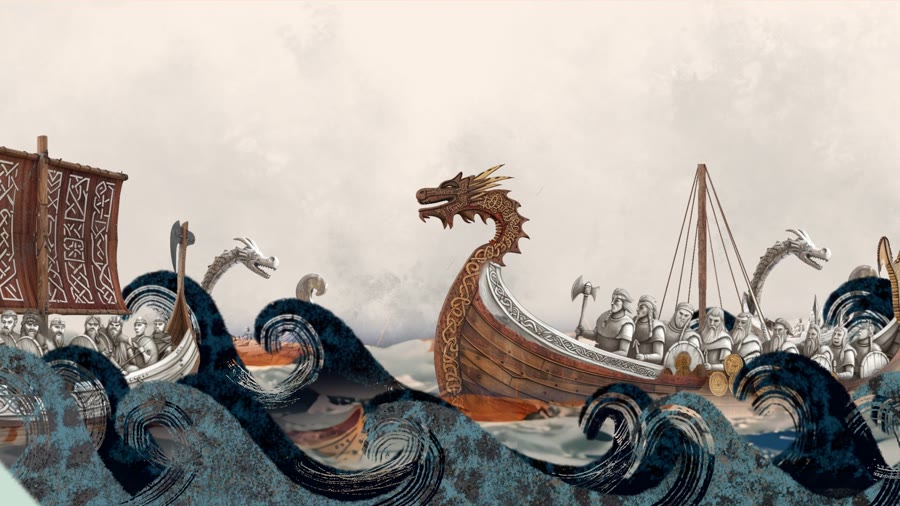
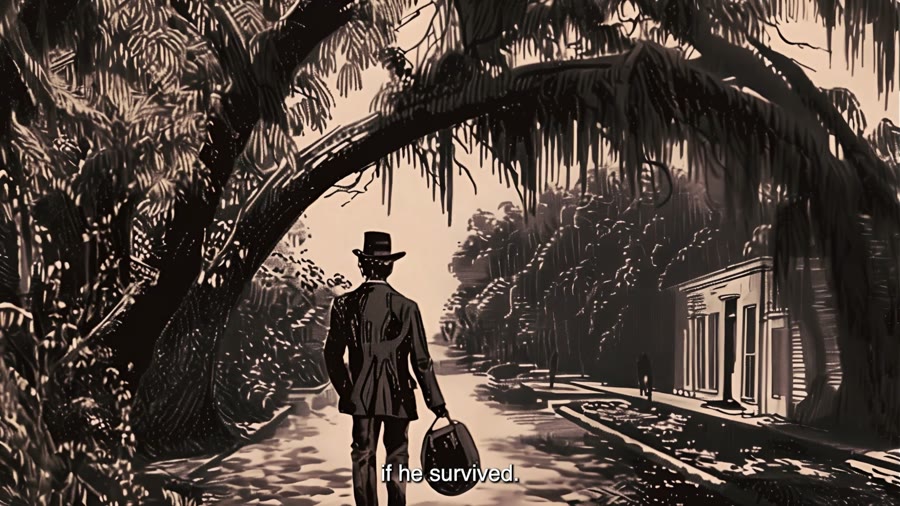
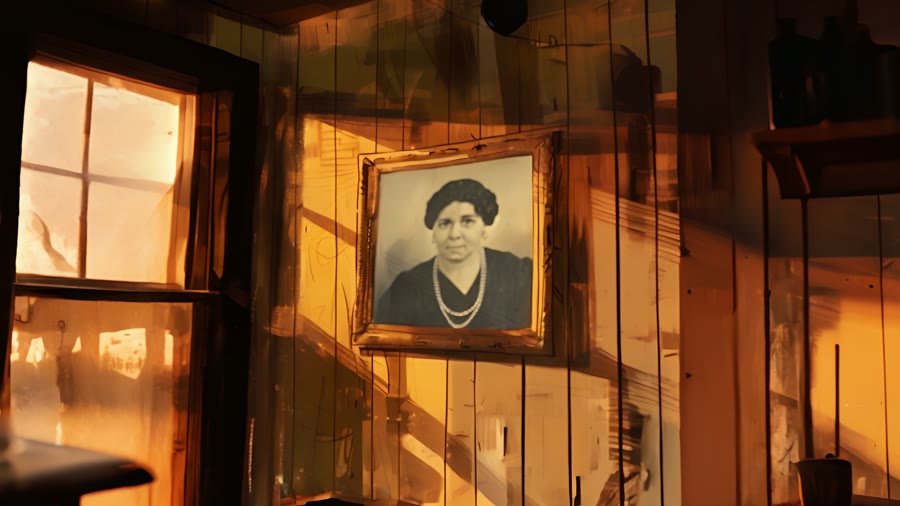
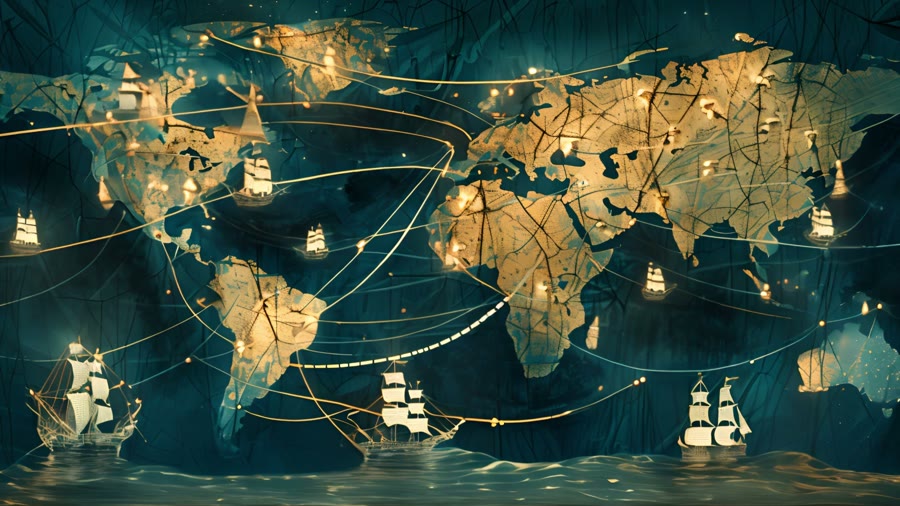
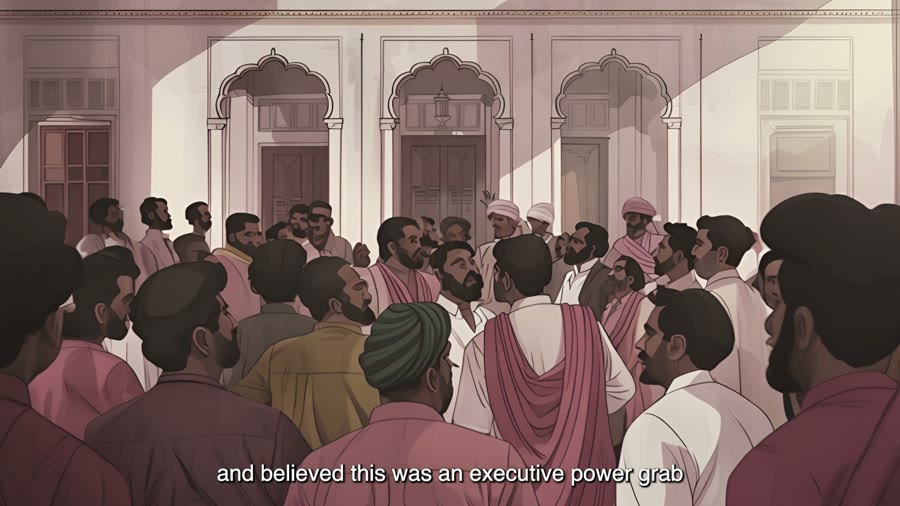
Nine scholars, working in nine unrelated fields, in one production year. A bioarchaeologist reading Viking bone chemistry; a historian of Kongo Christianity; an archaeologist of West African glass beadmaking; a historian of the yellow-fever economy of New Orleans. Each needs a film of a few minutes that a room of several hundred people will watch once, and that has to hold up to the scholar whose life’s work it compresses.
We begin each one by reading. Not a brief about the research — the research: the book, the papers, the excavation reports. The script is written from the source and reviewed with the scholar before anything is drawn, and pre-production runs to roughly a third of the budget. That is the part of the process that decides whether the film is right.
Why no two of them look alike
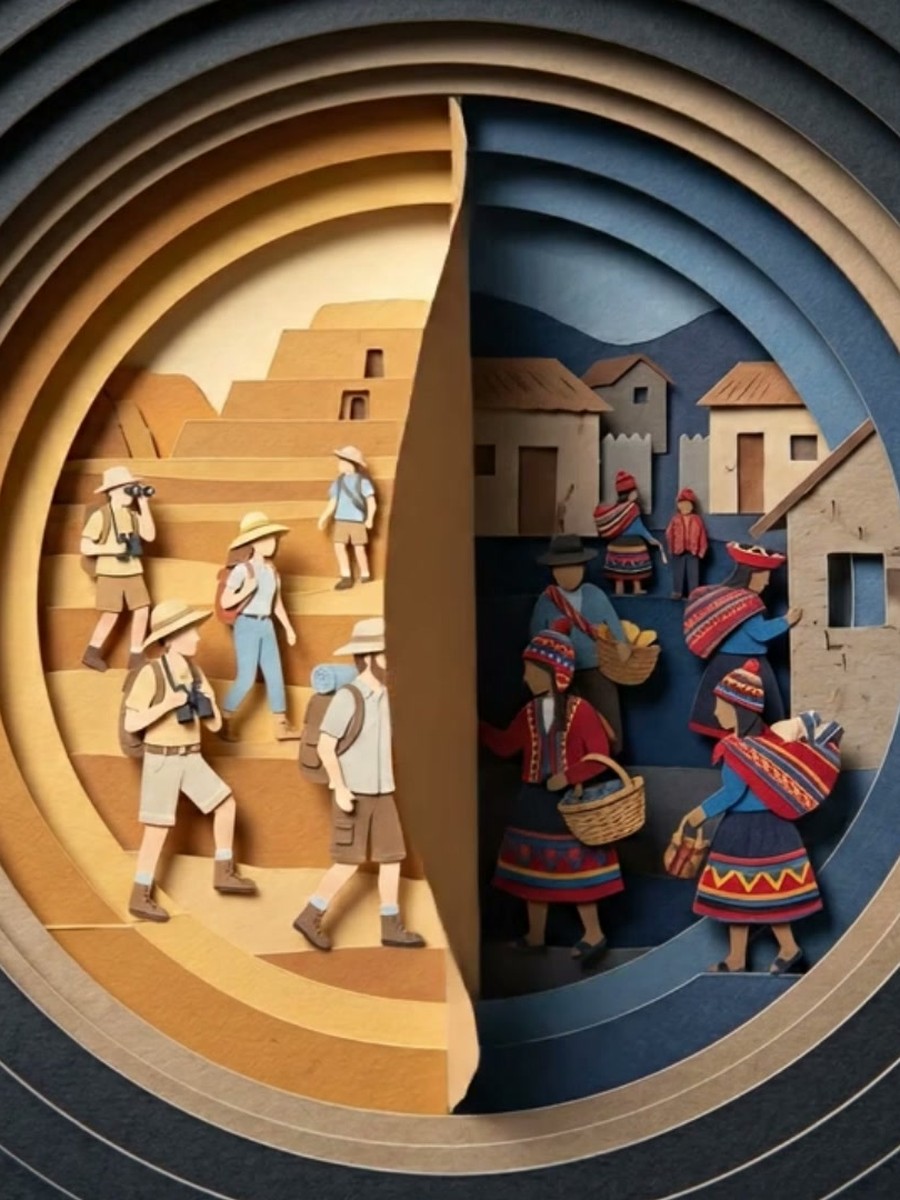
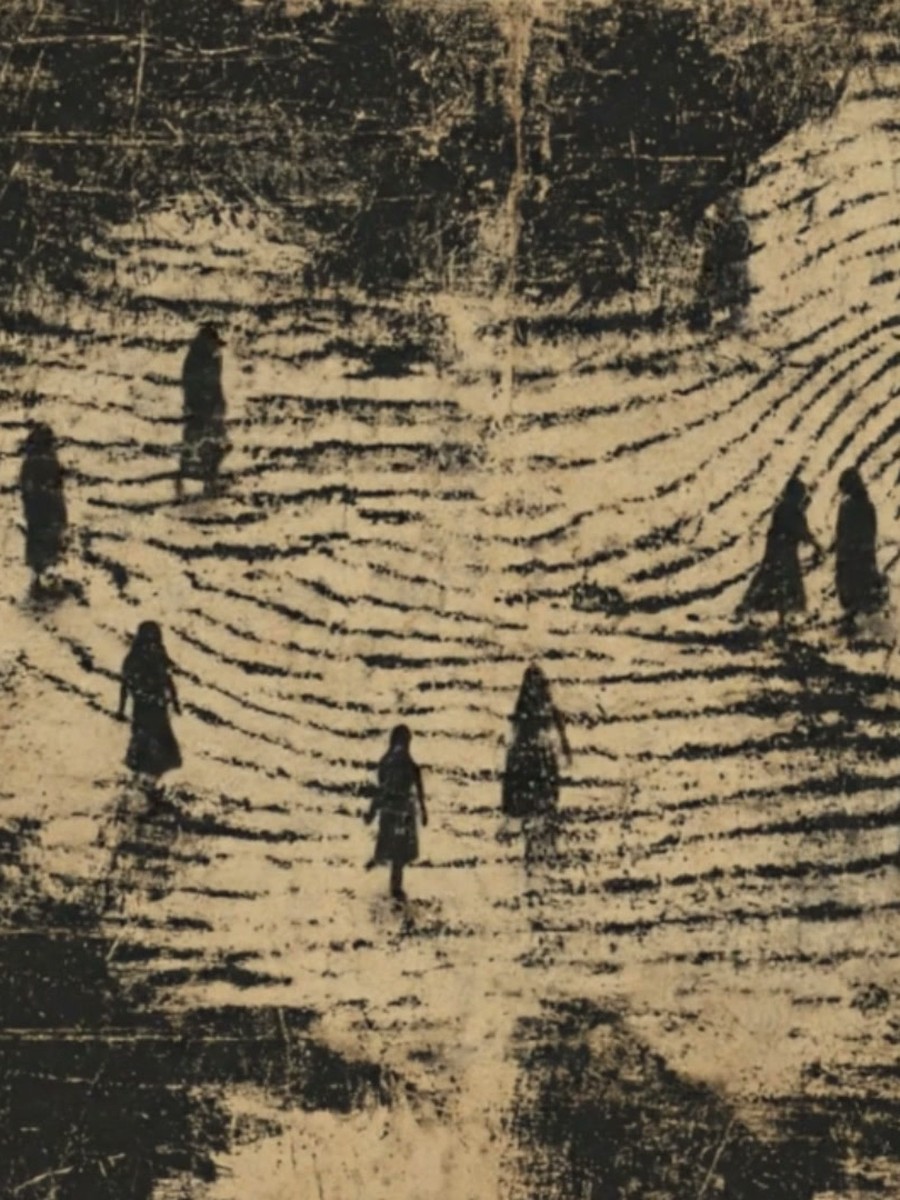
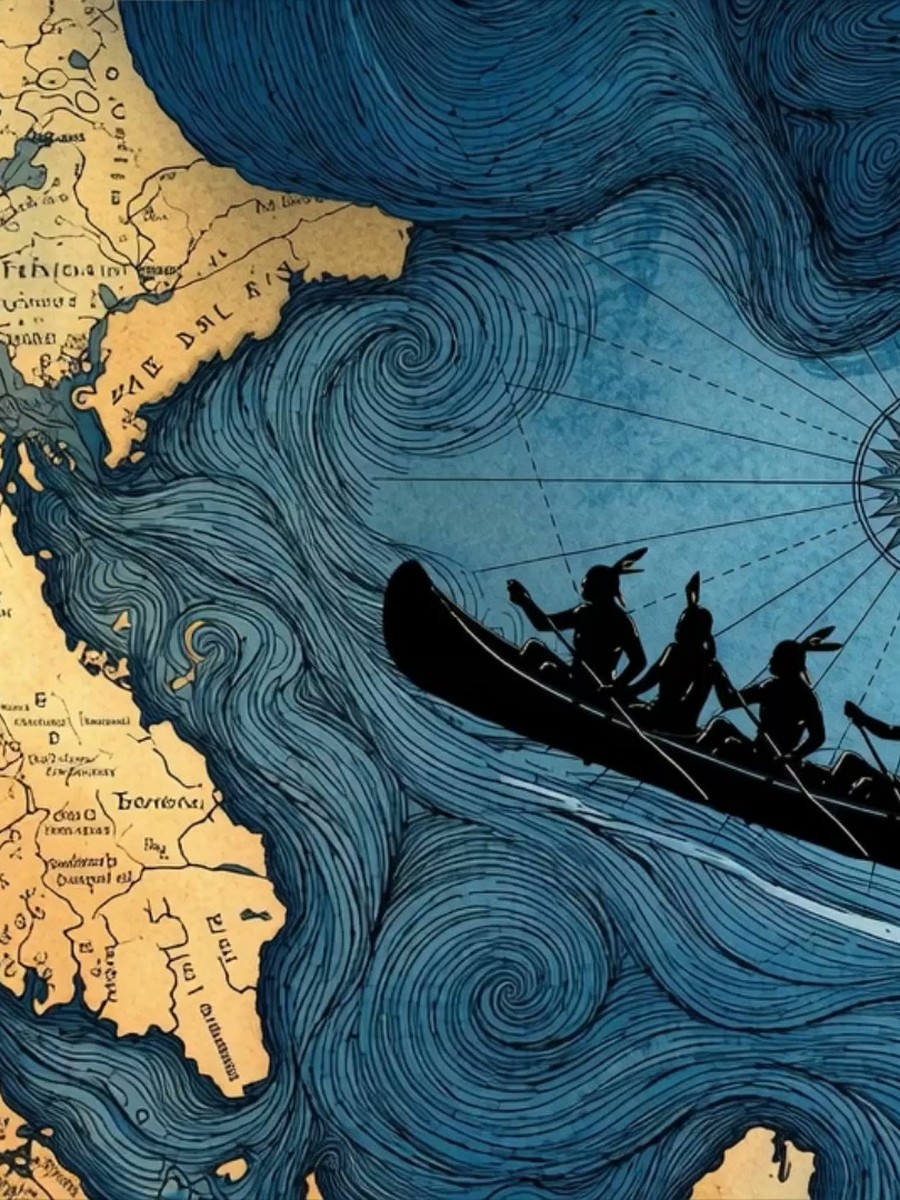
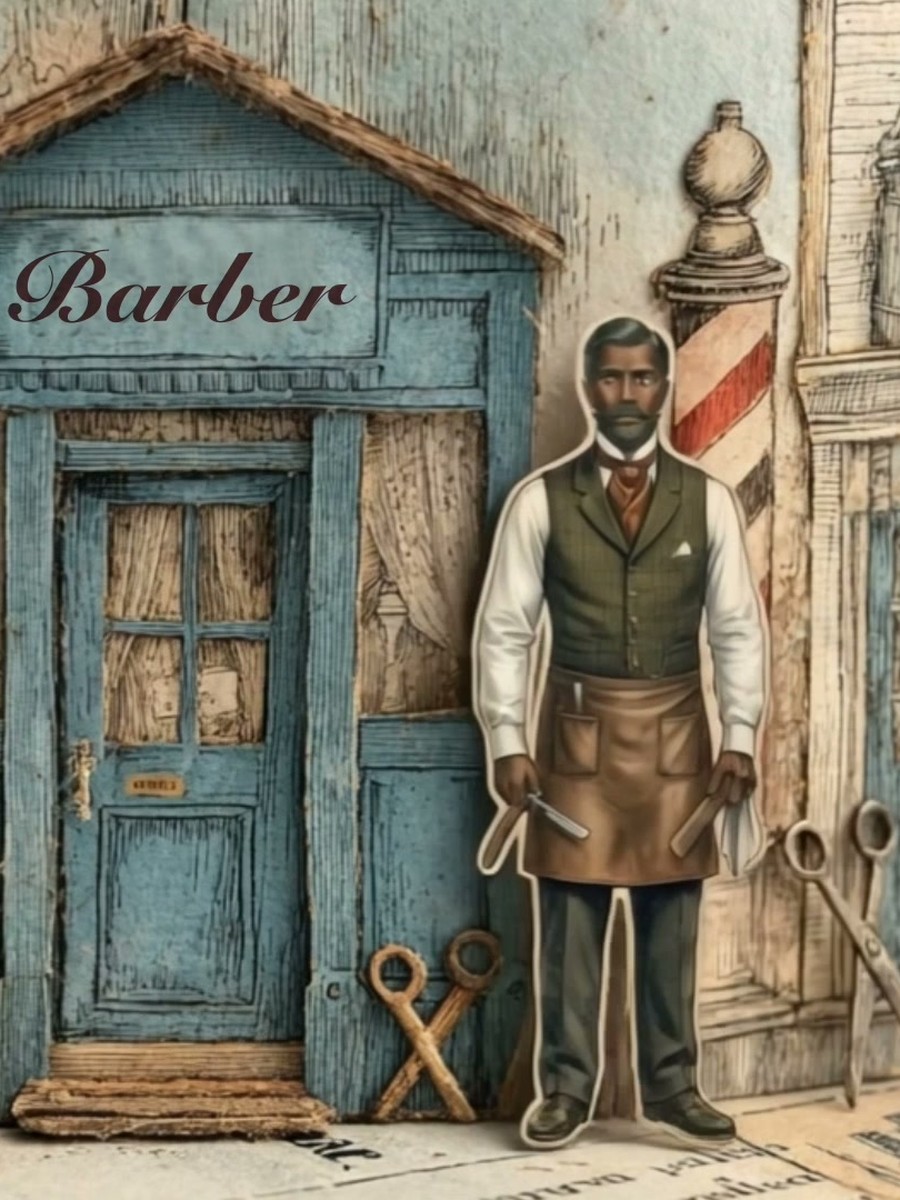
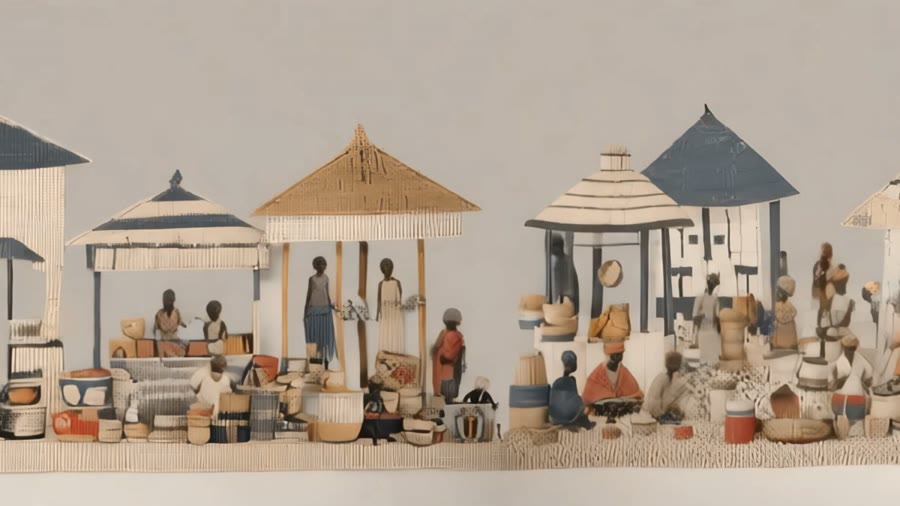
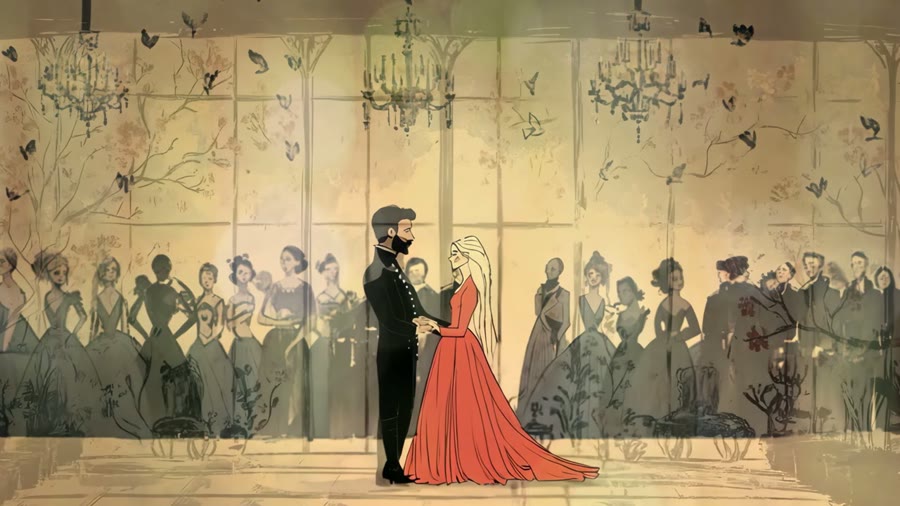
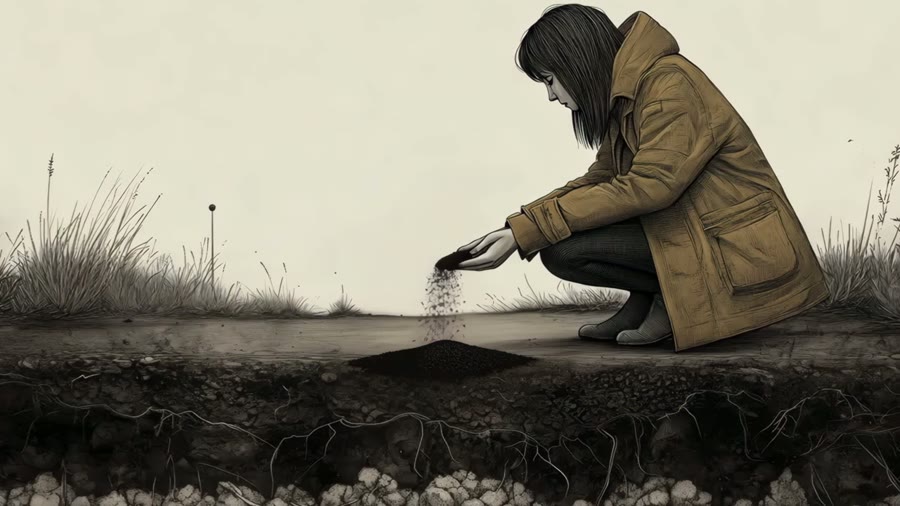
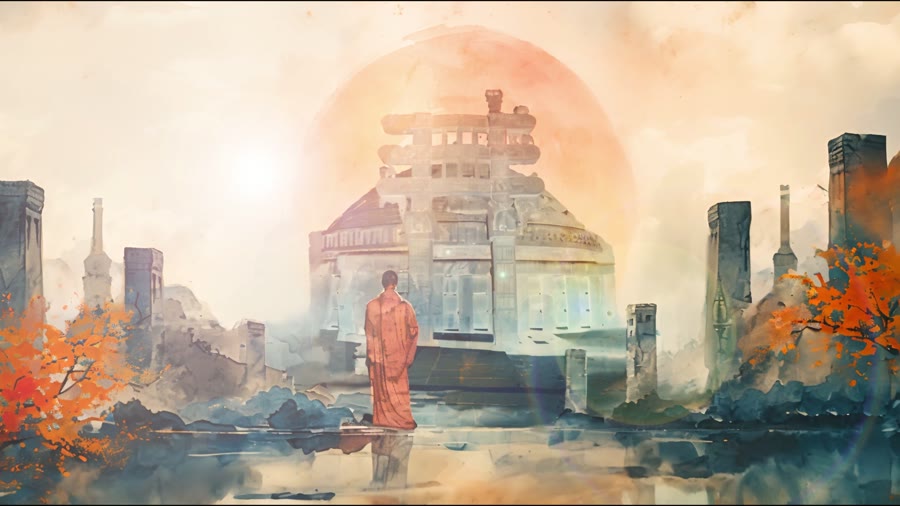
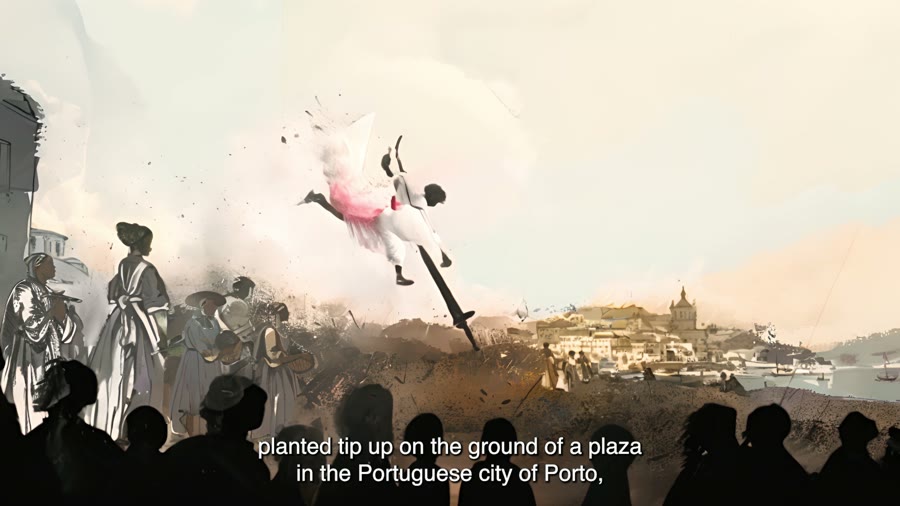
A studio with a house style would make twenty-seven films in that style. We hold to a harder rule: the material a film is made of should be a version of the material its subject is made of.
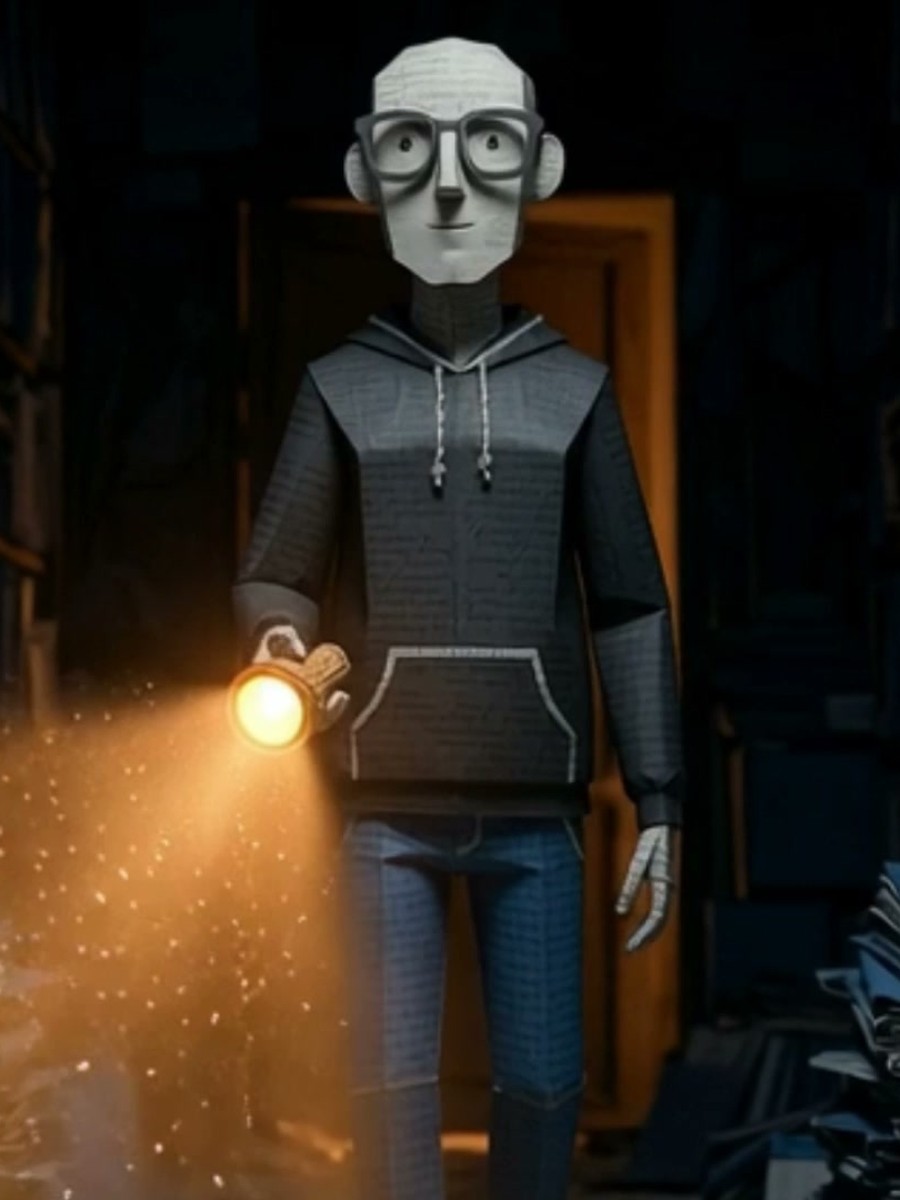
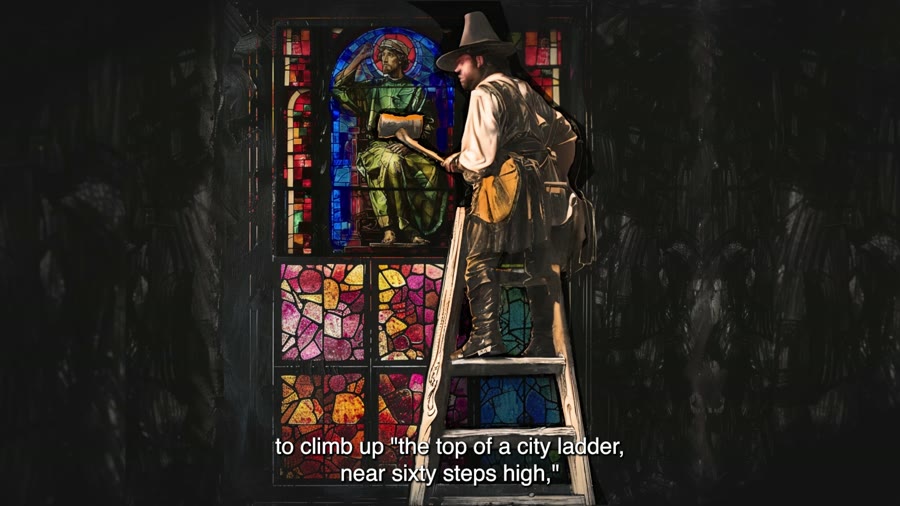
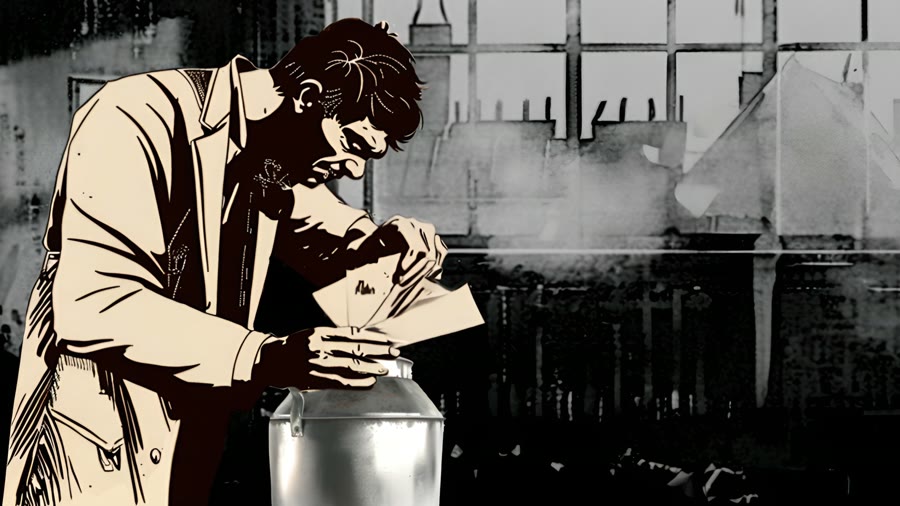
So Daniel Jütte’s film, on what different societies believed a piece of glass was for, is built in dialogue with glass. Abidemi Babalola’s, on Yoruba beadmakers producing their own glass beads centuries earlier than the older histories allowed, is made from beads. Max Bergholz’s, on an uncatalogued archive in a Bosnian basement, is built entirely out of paper: the corridors, the figures, the hand that opens the folder. We have written about this at length.
Where the films go
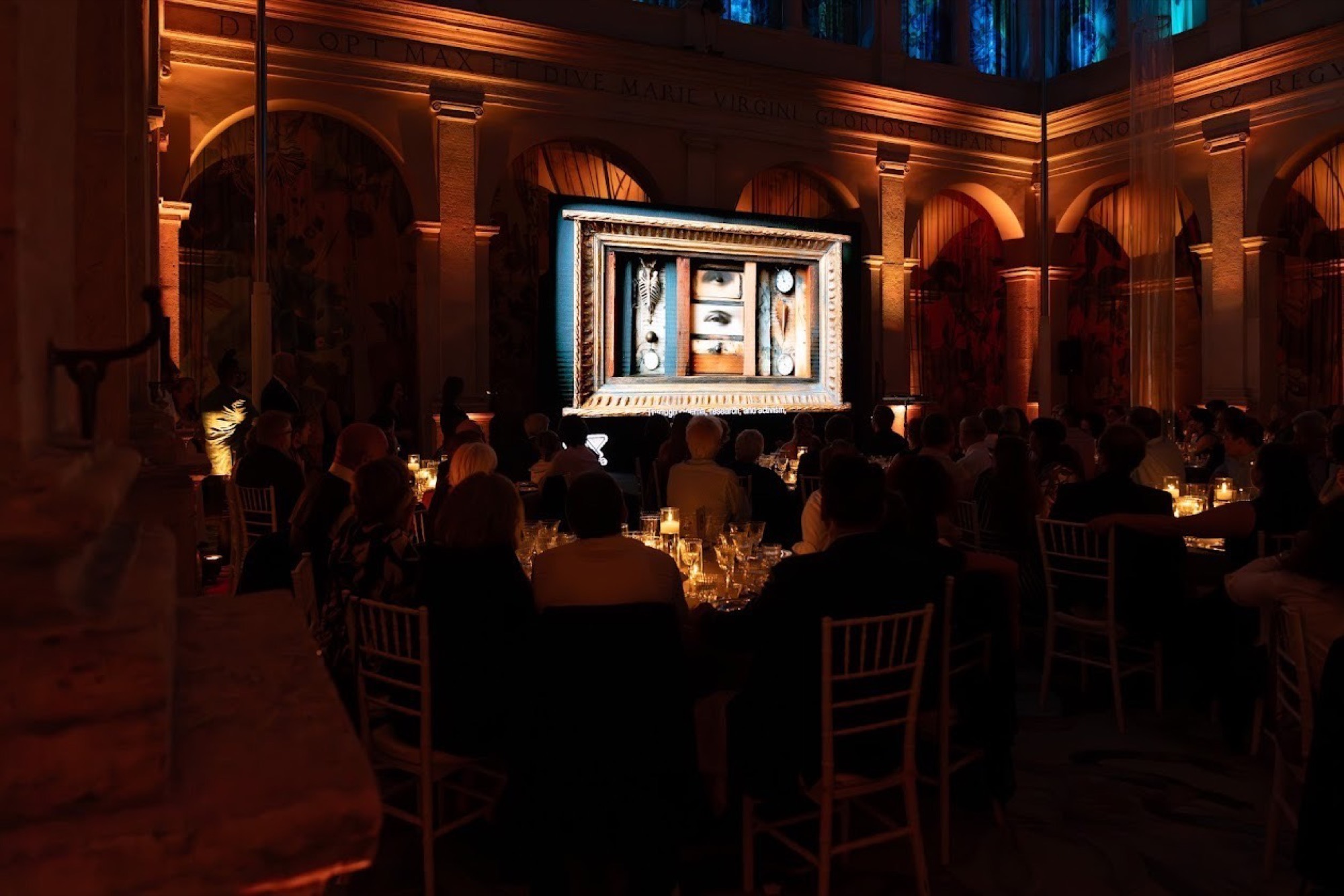
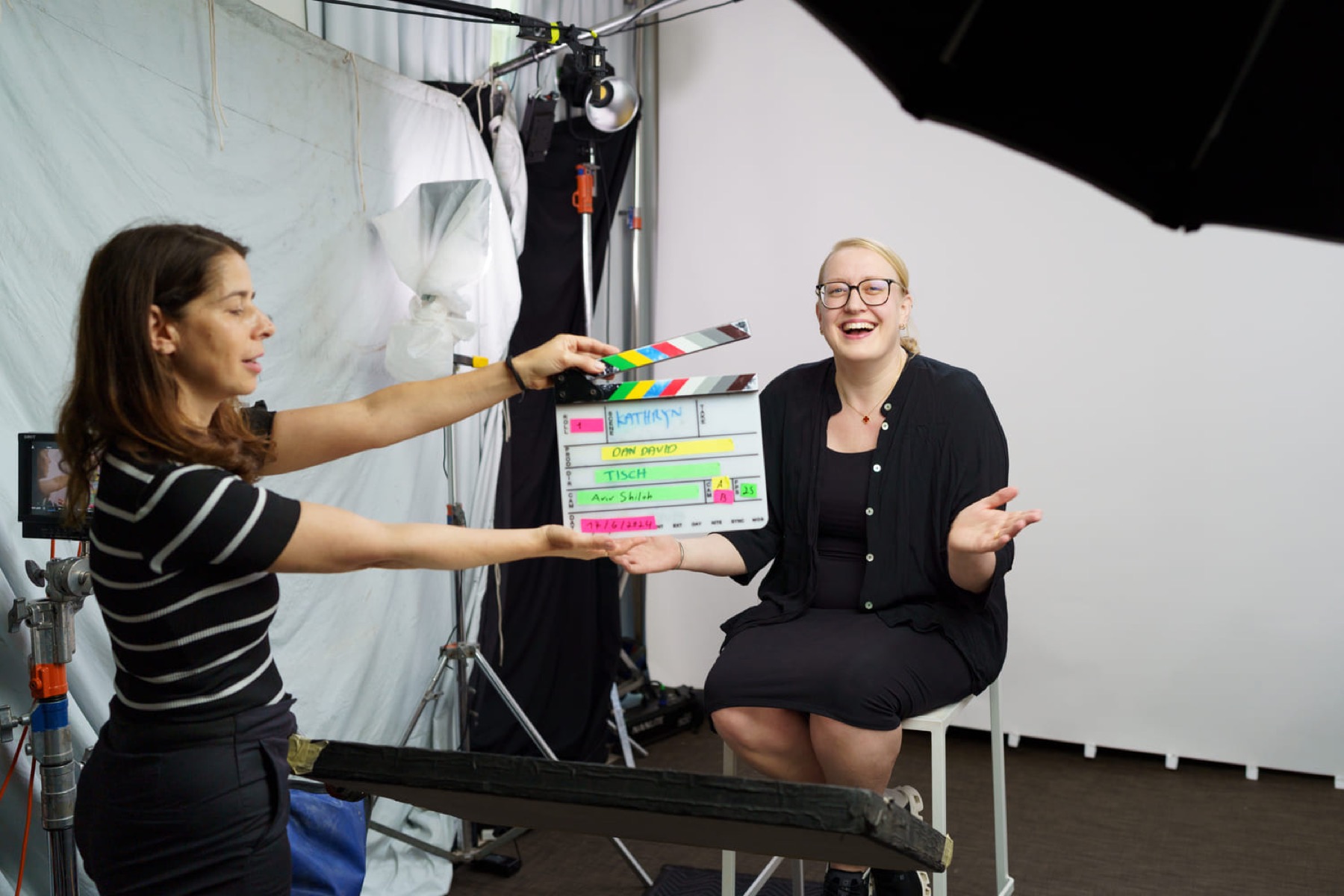
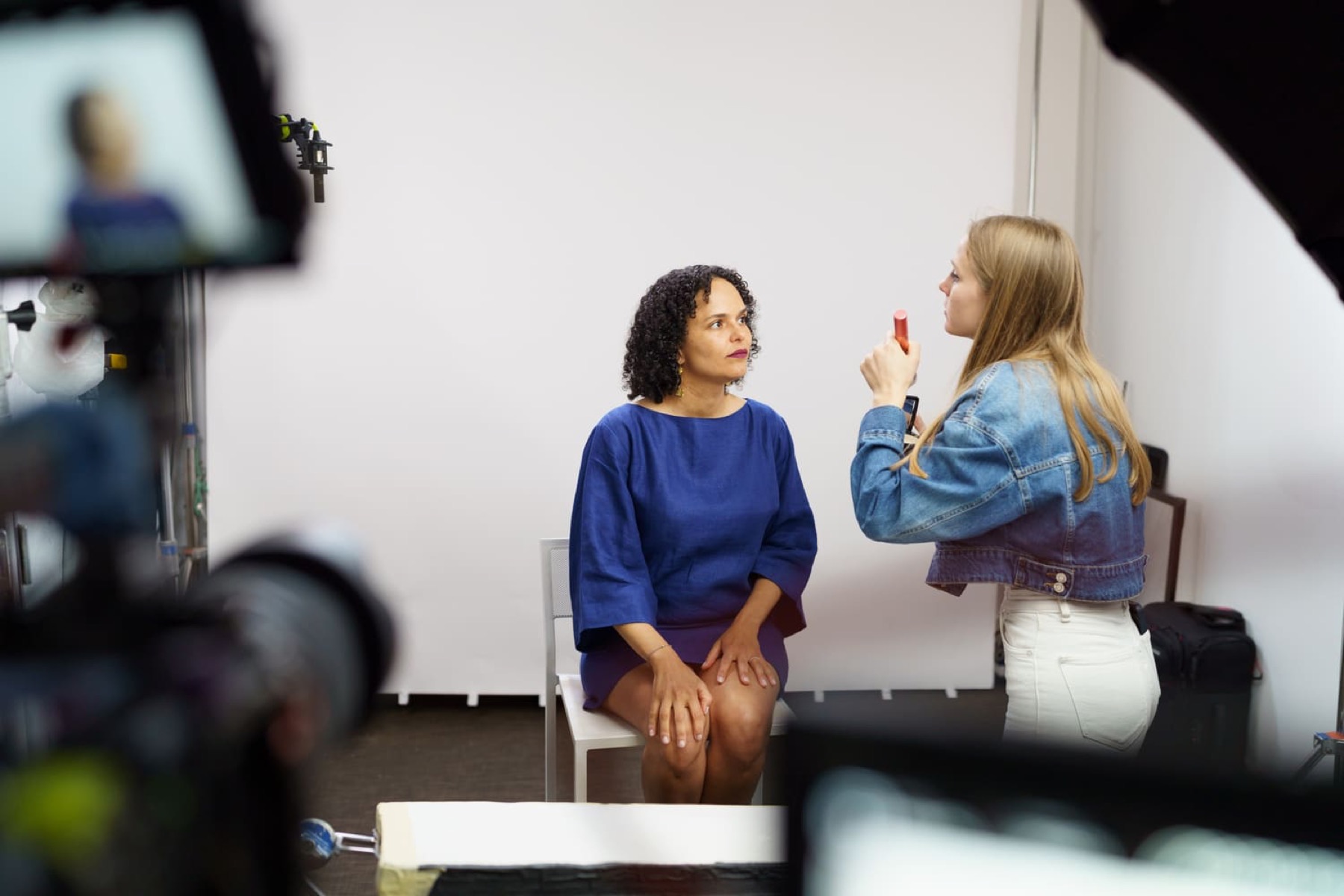
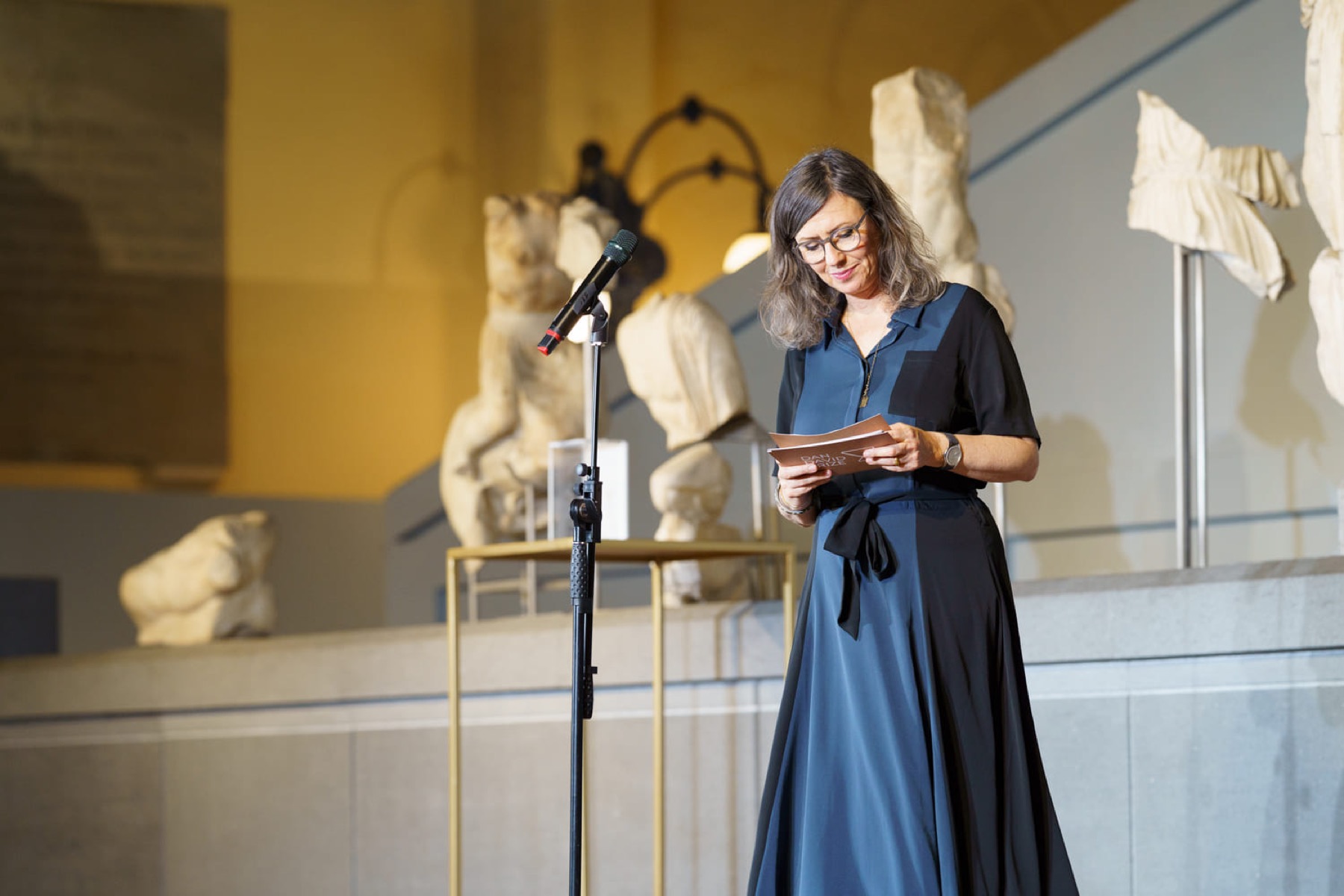
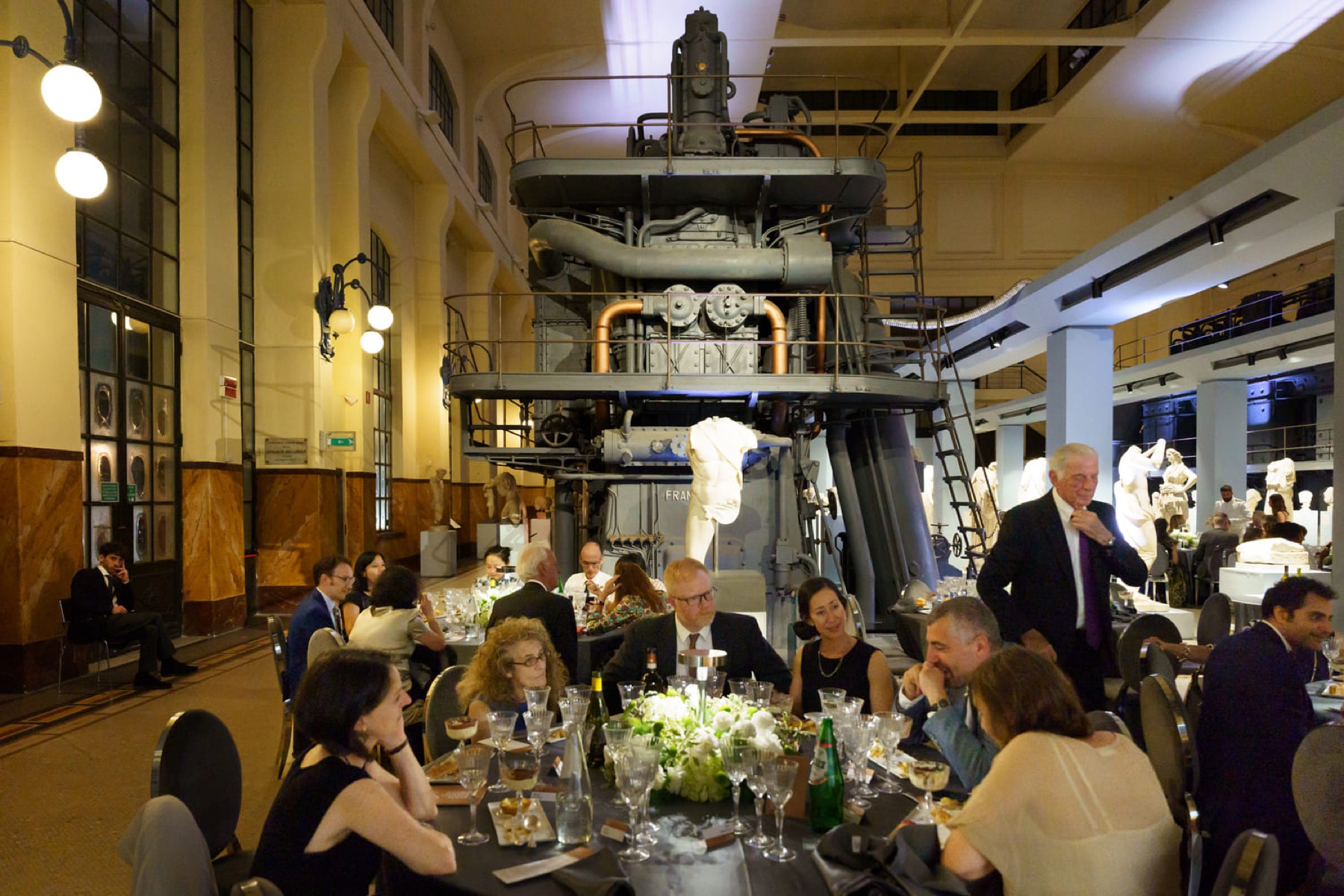
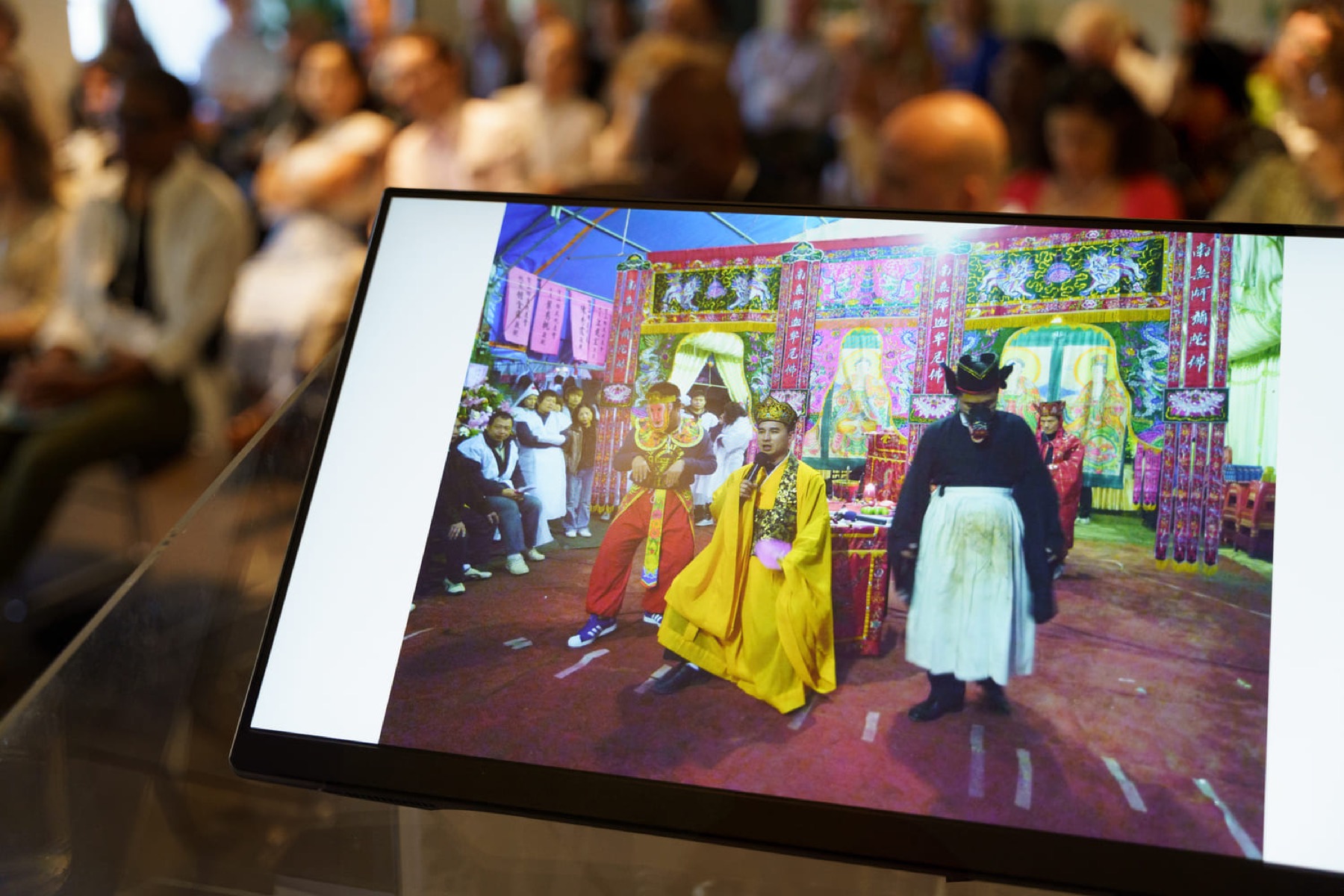
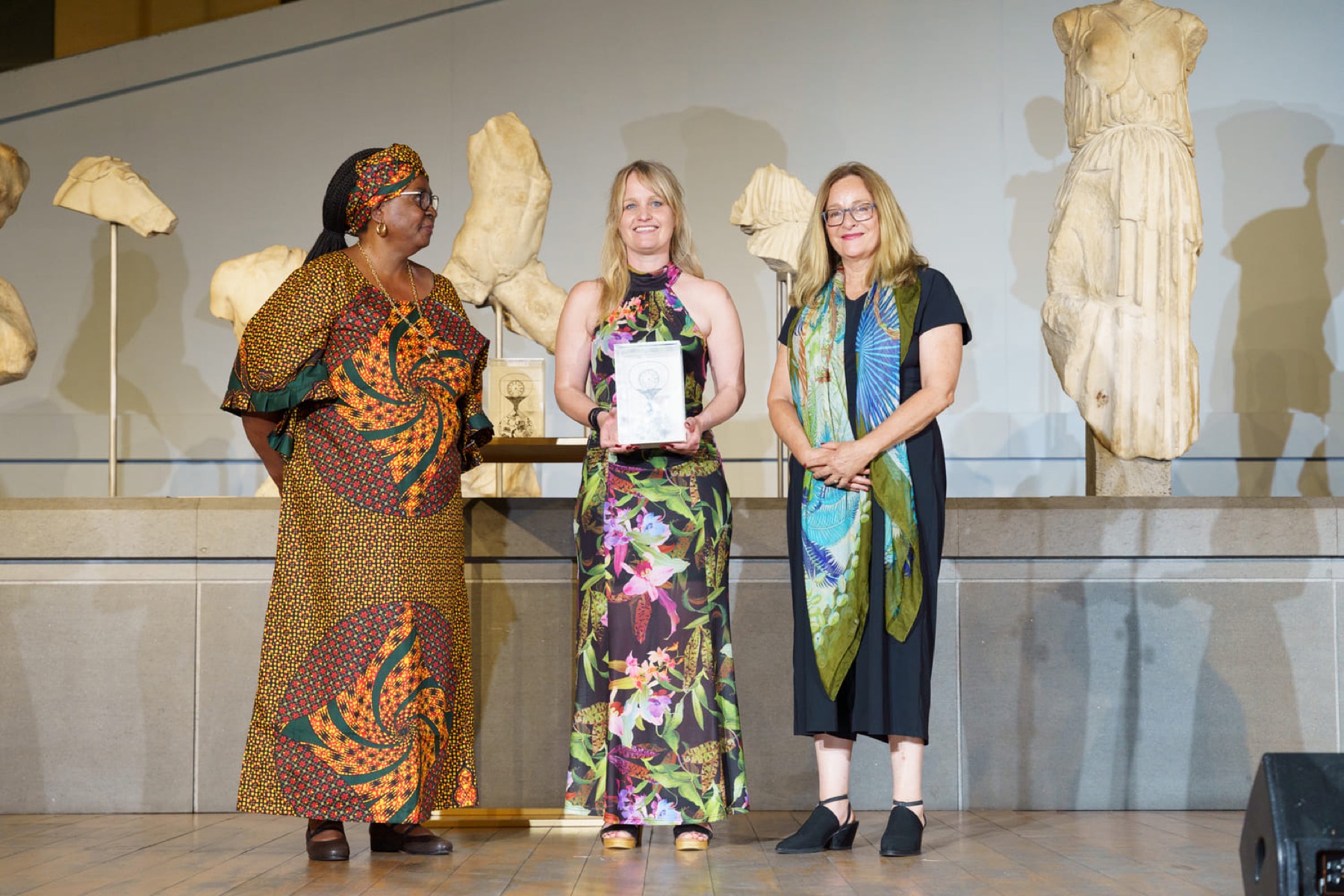
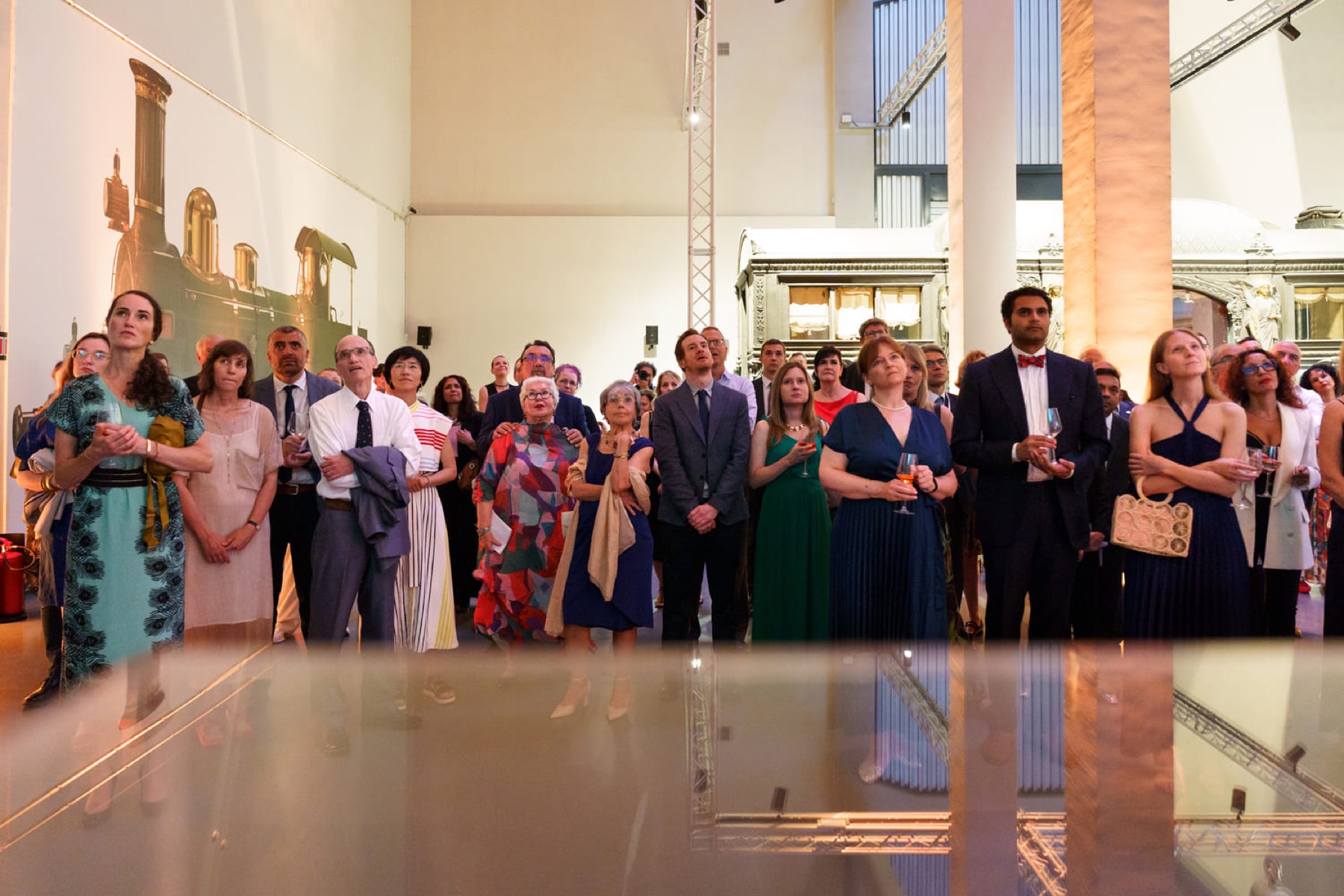
Each film has two halves. The first is shot: the laureate, interviewed on camera, in a studio, by the same small crew every year. The second is built here, around that interview. And then the finished film is shown once, in a room the Foundation has spent a year preparing, to the people it was made for — before it goes out to everyone else.
Working with us
Three years in, the edition is the clearest demonstration of how the studio works: a standing team, the director in every script review, an original score by Eitan Shefer on every film, and a schedule built so that nine films a year can each be treated as though it were the only one.
Start a conversation →
← All work