Source material
What we did with it
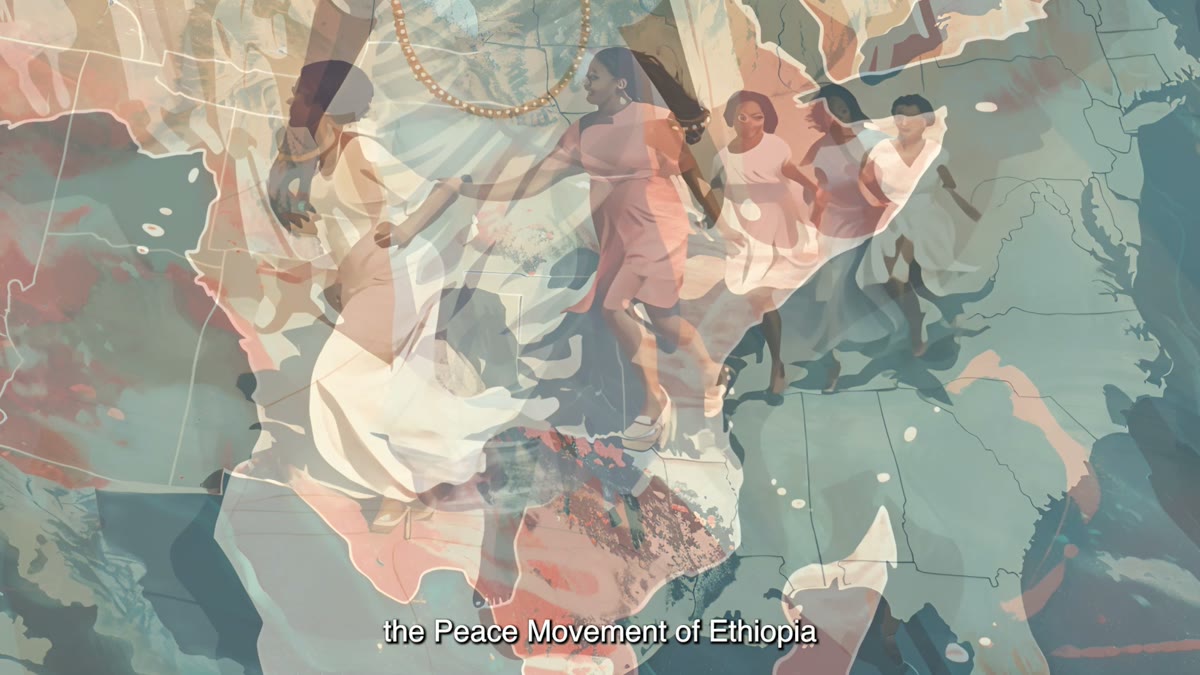
A two-and-a-half-minute tribute on a historian whose work has recovered the political and intellectual labor of Black women that most twentieth-century histories were too busy to see, and on one woman in Chicago, from poverty, who tried to move a whole people to a country in Africa.
Keisha N. Blain is Professor of Africana Studies and Professor of History at Brown University. Her scholarship works across the twentieth-century United States, Black internationalism, and Black women's intellectual history, and has consistently pulled forward the women on the margins of the record who advocated revolutionary social change.
Her book Set the World on Fire: Black Nationalist Women and the Global Struggle for Freedom (University of Pennsylvania Press, 2018) recovered a transnational network of Black women whose political work in the early-to-mid twentieth century was foundational to Black nationalism and Pan-Africanism, and largely absent from the histories of either. The Dan David Prize honored Blain as "a historian of the twentieth century United States with specializations in African American History, the modern African Diaspora, and Women's and Gender Studies", whose research uncovers "the histories of Black women on the margins of society who advocated revolutionary social changes."
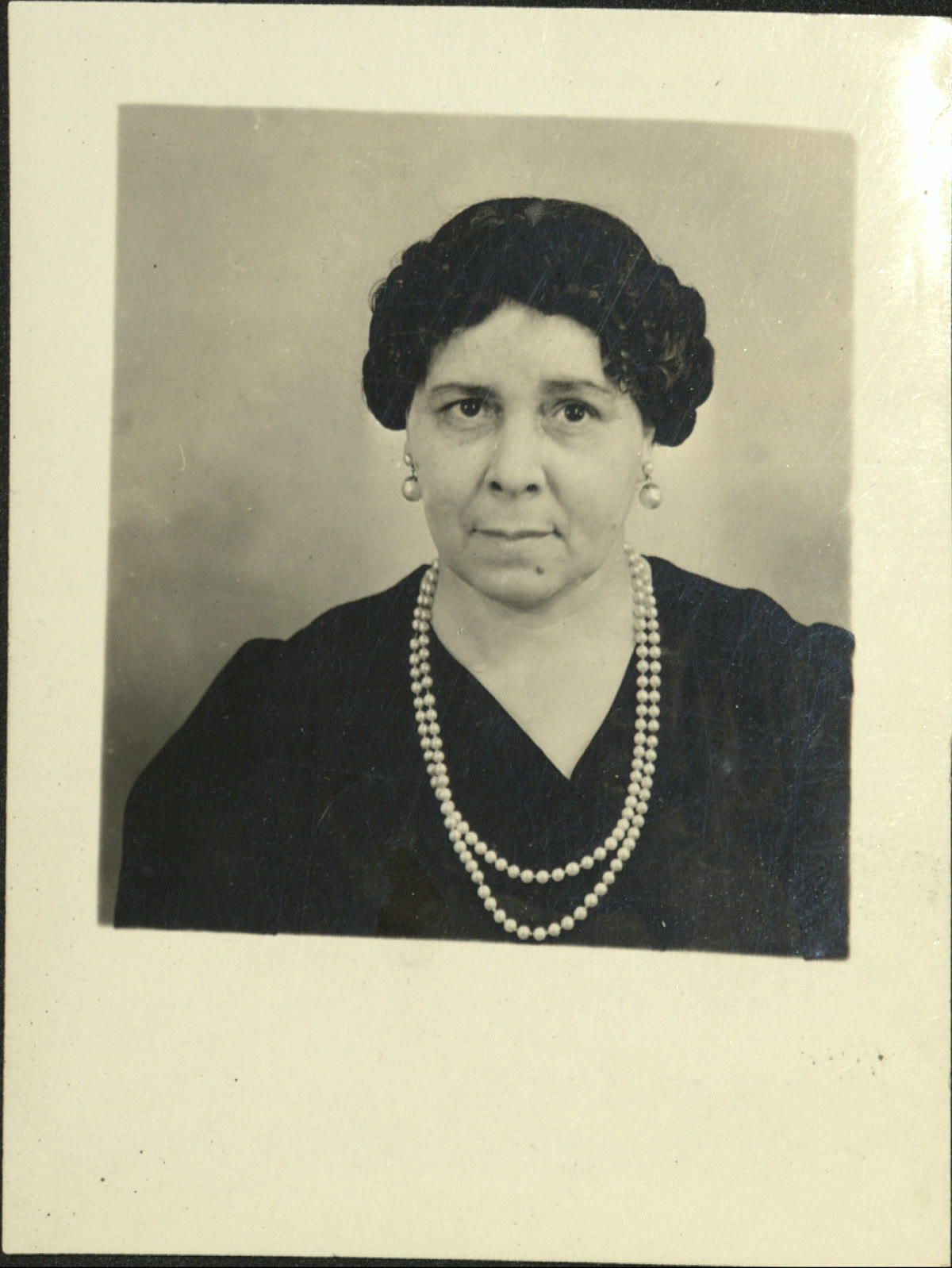
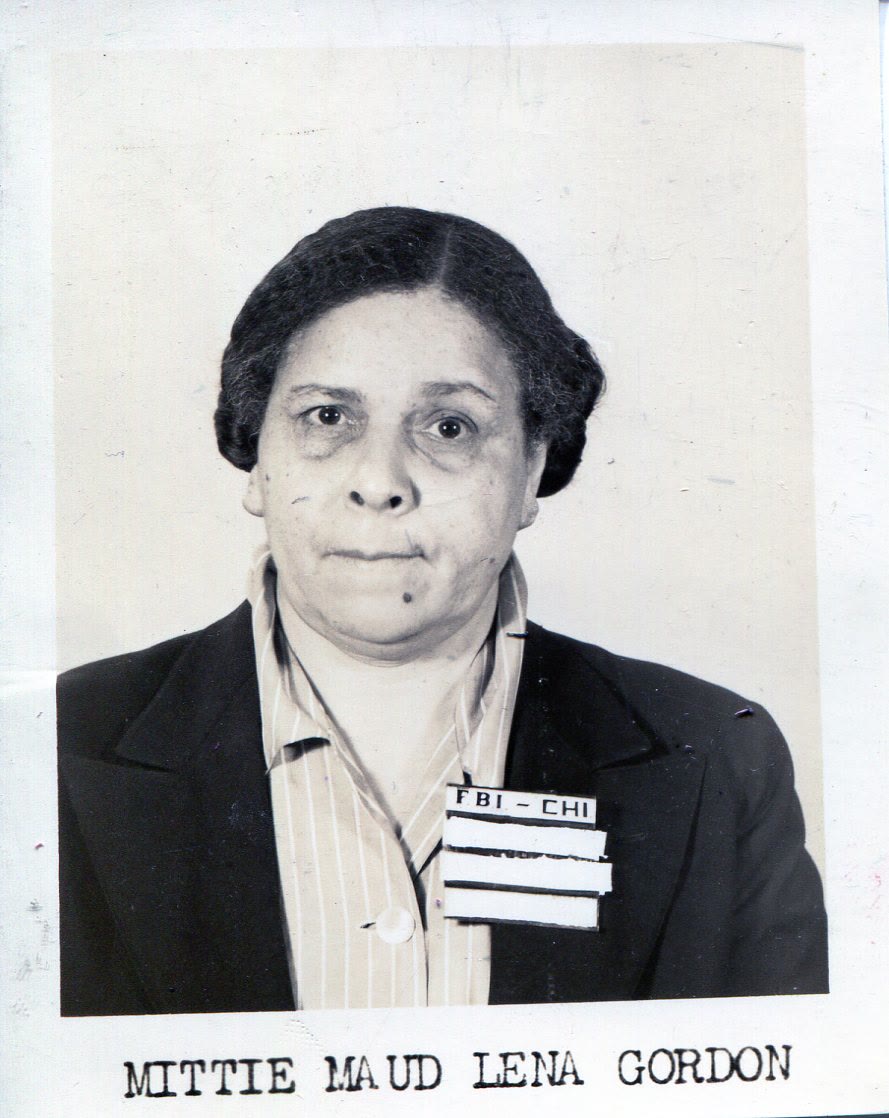
A woman of poverty, from a very small place in Louisiana, imagined how it could be if all the Black Americans who were being denied civil rights in their own country joined together and moved back to a country in Africa. That is somewhere between Theodor Herzl and Moses. It is also, and this is the point, entirely absent from the histories most people have read of either the twentieth-century United States or the pan-African movement. Blain's argument is that this was not a footnote. It was a mass political imagination that a woman like Mittie Maud Lena Gordon led, and that a country like the United States has, from its opening chapter, been very good at not seeing.
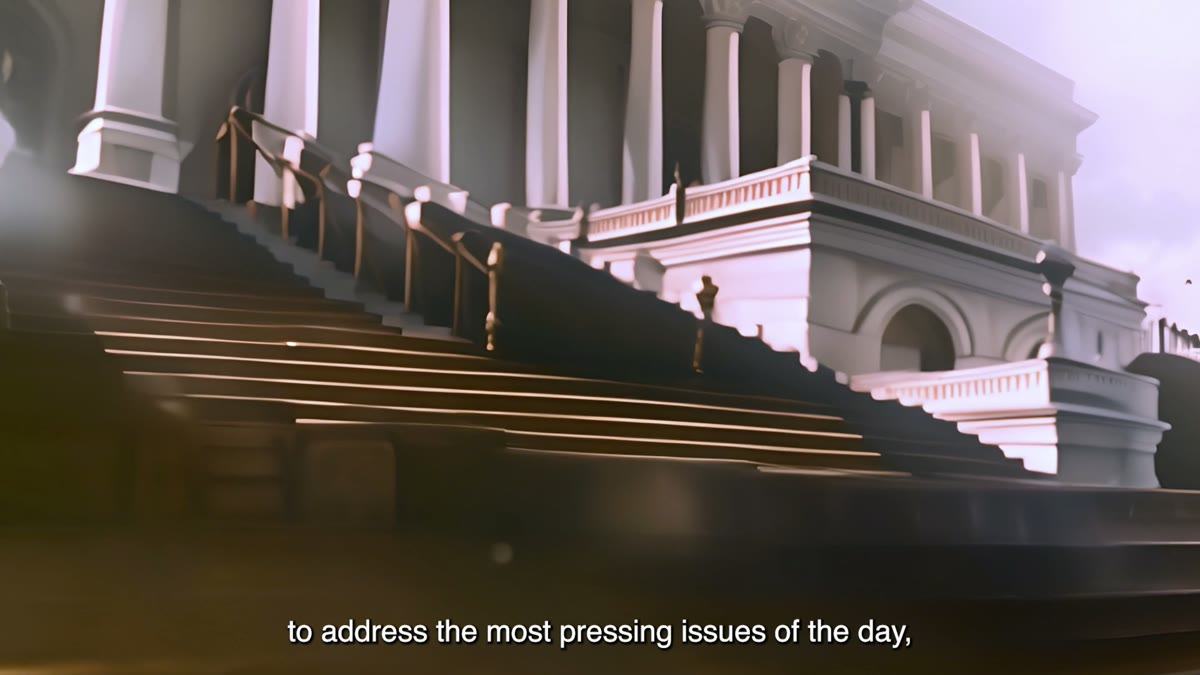
Blain herself has said, and Daniella shares this, that it matters to her as a woman of color to highlight the stories of women who look like her. The film was our way of joining that commitment visually. We took our cue from Gordon, and from the archival photograph of her movement standing on the steps of the Capitol in Washington. We reconstructed that photograph as an animated scene, so that a girl of color, or a woman of color, seeing this film in 2026, might see in front of her eyes what these women looked like, at scale, in the political theatre of the country they were arguing with. Whether Gordon's plan succeeded is not the point of the film. The visibility is.
Each year the Foundation selects its winners and, with the help of the laureate, chooses the subject of the film they are being honored for. The Foundation’s team, who know that work intimately, help bring it to the page, and we turn it into script, image, register, and motion.
The one thing we keep from them is the film itself. It is made in their honor but held back, so that the first time Keisha Blain meets it, in animated form, is the evening of the prize — the very moment they are being celebrated for the work it depicts. That is the part of the project we love: a film that is also a gift, a surprise, revealed in the room where it does its work.
The Dan David films don't end their life on the evening of the prize. After the ceremony they travel to YouTube and to the Foundation's own website, where each one sits alongside the committee's reasoning for choosing the laureate and further material on the research. The winners are interviewed once the films are public, and those interviews are woven into the published versions. Several laureates carry the films further still, into their teaching, playing them for graduate seminars, public lectures, and visiting audiences as a way of explaining, in two and a half minutes, what they have spent careers on.
You care about your subject.
So do we.
Client: Dan David Foundation
Subject: Prof. Keisha N. Blain, Brown University
Direction: Daniella Koffler
Animation: Moofa Animation Team
Year: 2024