Source material
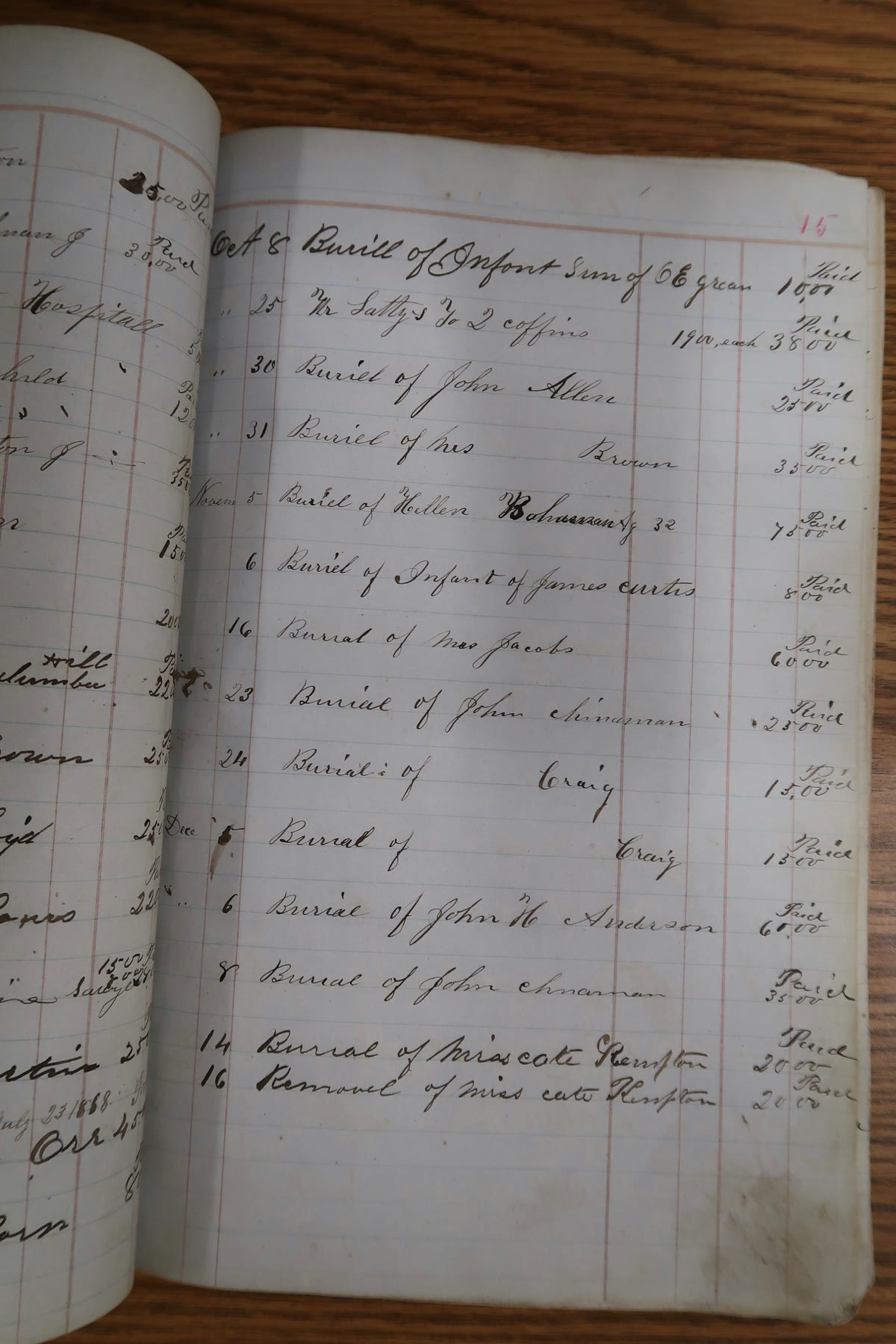
What we did with it
A short tribute on a historian whose work has shown how anti-Chinese violence and exclusion law built the very idea of the "alien" in America, and how a whole population's lives were governed, and erased, one document at a time.
Beth Lew-Williams is Professor of History and Director of the Program in Asian American Studies at Princeton University, a historian of migration, race, and the American West. Her book The Chinese Must Go: Violence, Exclusion, and the Making of the Alien in America (Harvard University Press, 2018) argued that anti-Chinese violence and the federal exclusion regime of the 1880s were bound together, that expulsion and law fed one another, and that the process produced a category the United States has never lost: the "alien."
Her more recent John Doe Chinaman: A Forgotten History of Chinese Life Under American Racial Law (Belknap Press of Harvard, 2025) traces the thousands of state and local laws that governed Chinese life in the American West across some seventy years, and the individual lives caught inside them. The Dan David Prize honored Lew-Williams for rigorous and imaginative scholarship that uncovers the stories of racial exclusion and oppression against Asian Americans, and the lived experiences of Chinese migrants.
Lew-Williams's subject is a paradox at the heart of the archive: the same laws and ledgers that ruled Chinese lives in the American West are often the only record those lives left, and they recorded almost nothing, a fee, a category, "John Chinaman." The individual was governed in exhaustive detail and remembered as a type.
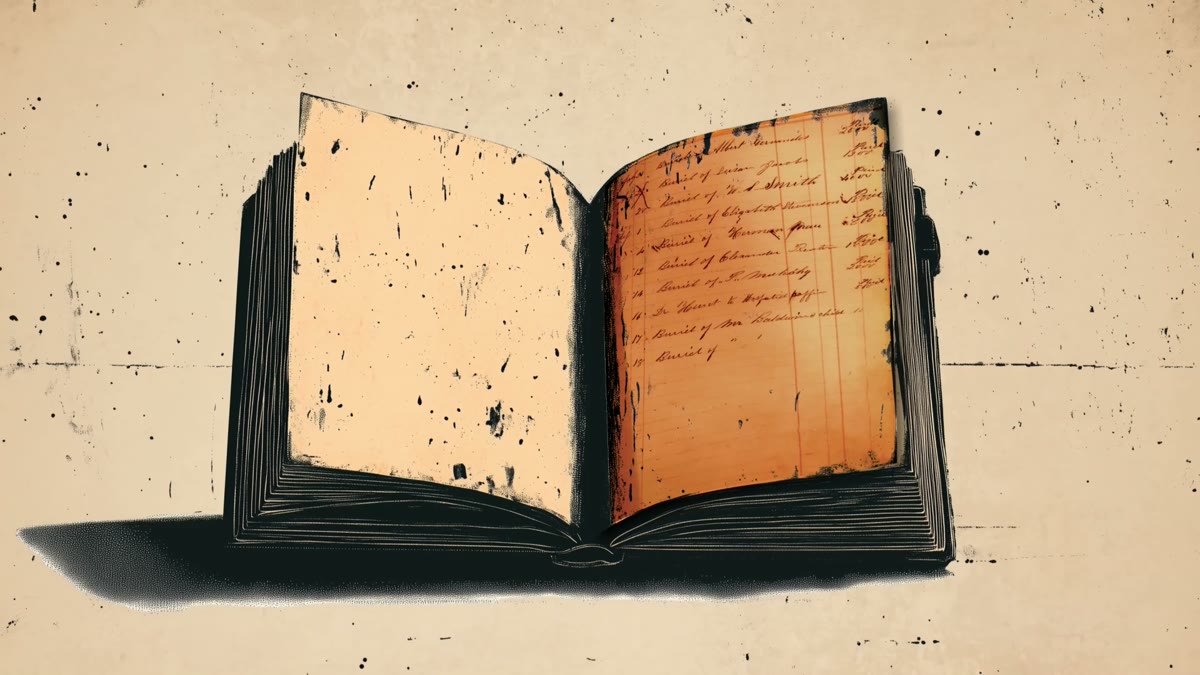
The film's task was to hold both truths at once: the vast machinery of exclusion, the streets and towns and paperwork, and the single human being inside it whom the record declined to name. We built the film around the documents themselves, the ledger, the photograph, the town, and let the film do what the archive would not: return attention to the person behind the category, and make the erasure itself visible.
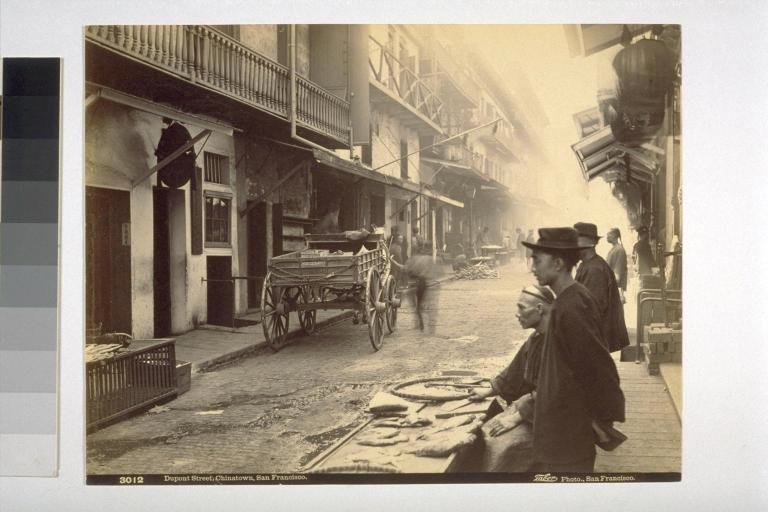
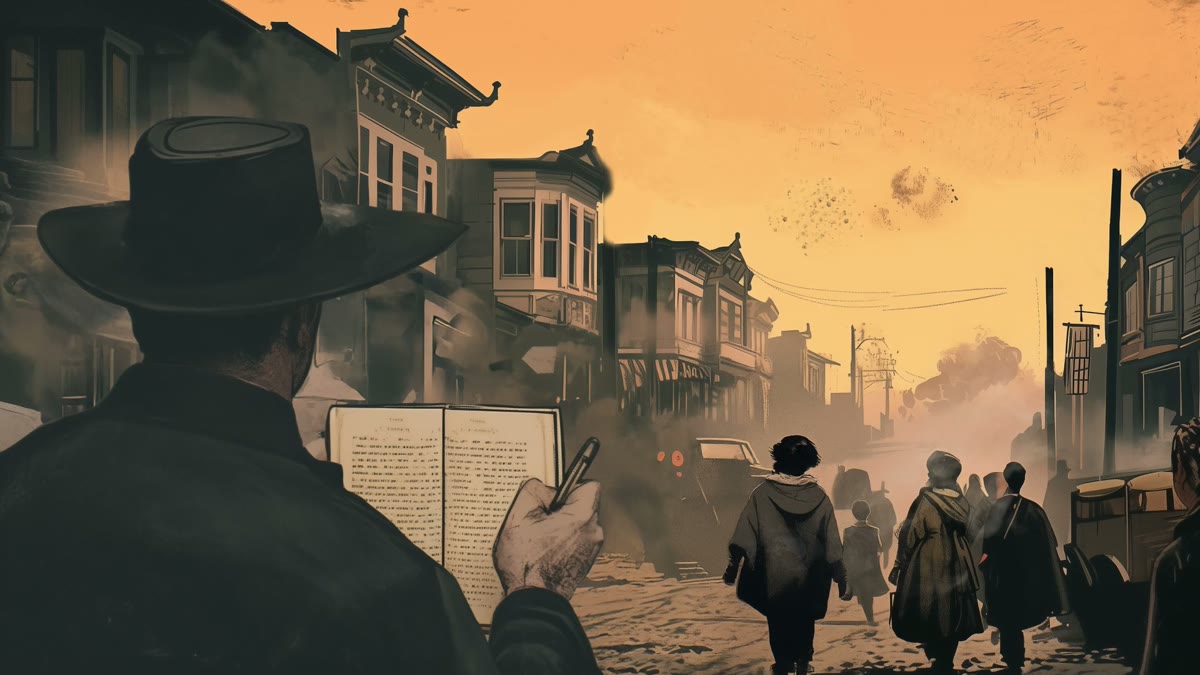
Each year the Foundation selects its winners and, with the help of the laureate, chooses the subject of the film they are being honored for. The Foundation’s team, who know that work intimately, help bring it to the page, and we turn it into script, image, register, and motion.
The one thing we keep from them is the film itself. It is made in their honor but held back, so that the first time Beth Lew-Williams meets it, in animated form, is the evening of the prize — the very moment they are being celebrated for the work it depicts. That is the part of the project we love: a film that is also a gift, a surprise, revealed in the room where it does its work.
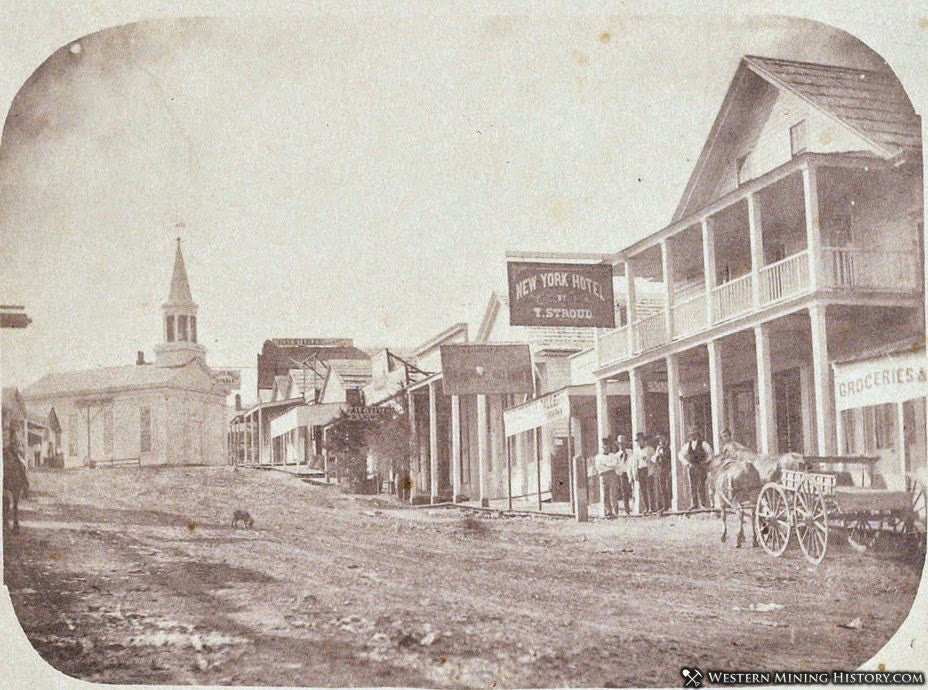
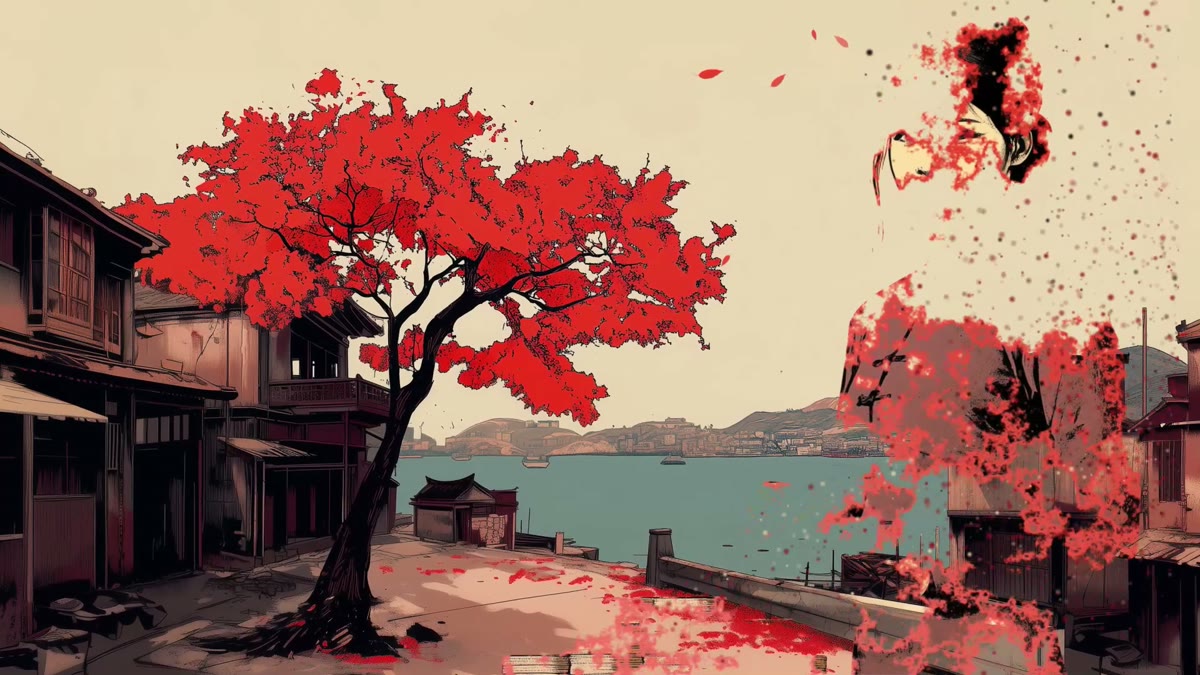
The Dan David films don't end their life on the evening of the prize. After the ceremony they travel to YouTube and to the Foundation's own website, where each one sits alongside the committee's reasoning for choosing the laureate and further material on the research. The winners are interviewed once the films are public, and those interviews are woven into the published versions. Several laureates carry the films further still, into their teaching, playing them for graduate seminars, public lectures, and visiting audiences as a way of explaining, in a few minutes, what they have spent careers on.
You care about your subject.
So do we.
Client: Dan David Foundation
Subject: Prof. Beth Lew-Williams, Princeton University
Direction: Daniella Koffler
Animation: Moofa Animation Team
Year: 2025