Source material
What we did with it
A short tribute on a filmmaker who has spent his career recovering the Black presence in European history, and whose film we built, unusually, out of his own films and photographs, around the one question that runs through all his work: who is inside the frame, and who was left at its edge?
Fred Kudjo Kuwornu is an Afro-Italian filmmaker, producer, and educator, born in Bologna to a Ghanaian father and an Italian mother, and based in Brooklyn under his company Do The Right Films. He came to cinema on the Italian set of Spike Lee's Miracle at St. Anna, and has made a career of returning documented but forgotten histories of the African diaspora to public view.
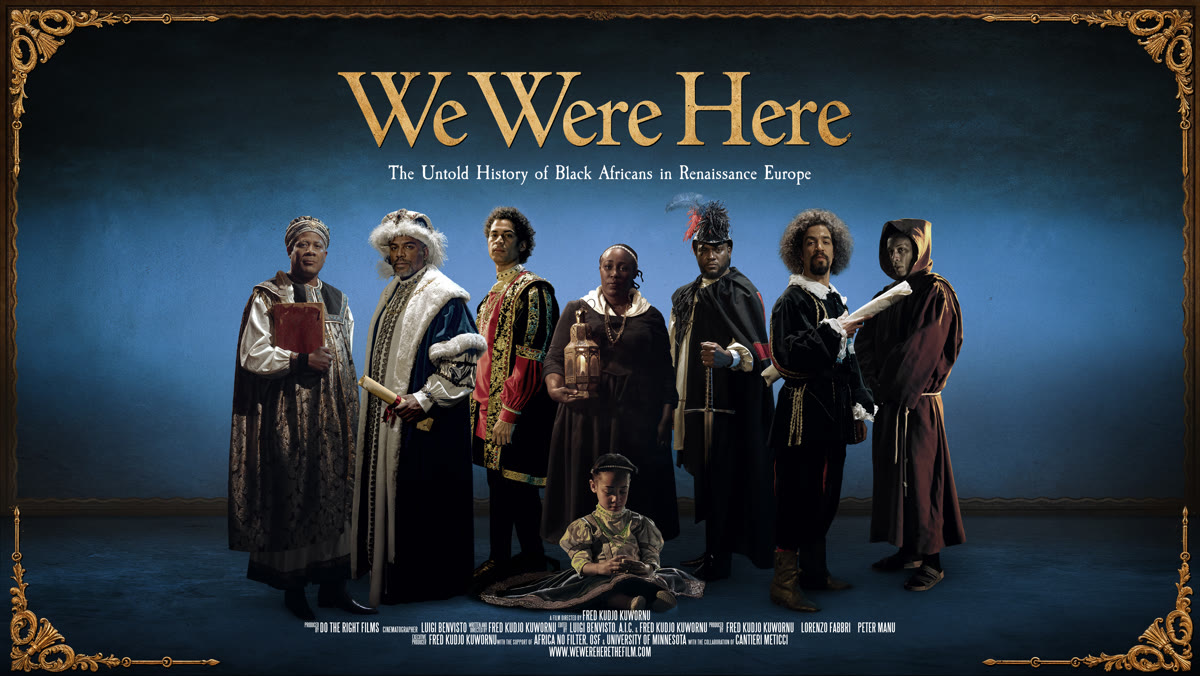
His films run from Inside Buffalo, on the segregated African-American soldiers who fought in Italy in the Second World War, through Blaxploitalian, a century of Black actors in Italian cinema, to We Were Here: The Untold History of Black Africans in Renaissance Europe, which premiered at the 2024 Venice Biennale. The Dan David Prize, which each year honors a small number of practitioners who explore the past outside the university, recognized Kuwornu as an artist, filmmaker, educator, and cultural innovator whose work explores the intersections of identity, race, and historical representation.
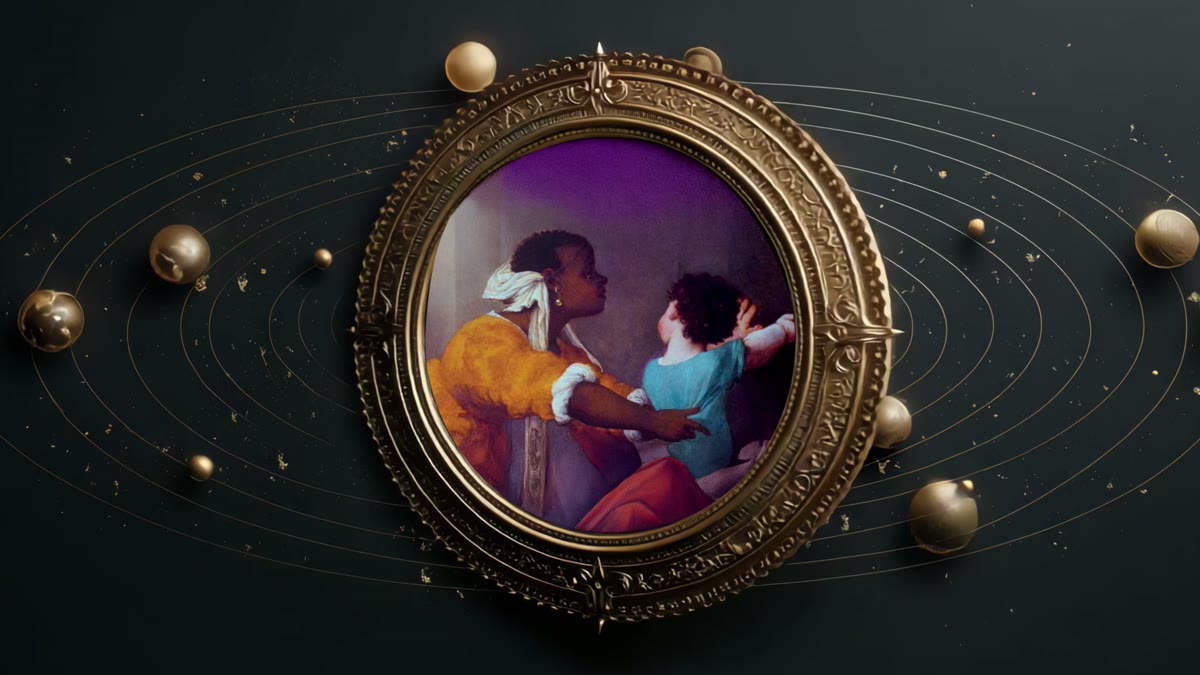
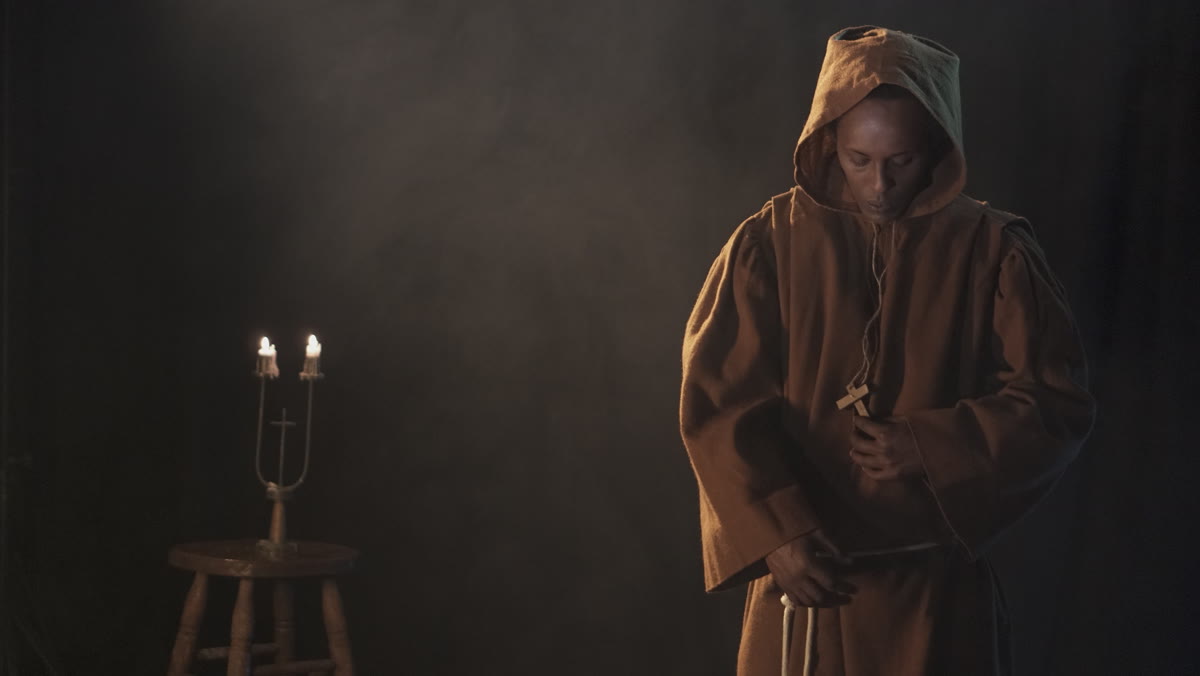
Fred Kuwornu's is the one film in the year that we built out of the laureate's own work. We used actual frames and images from We Were Here, material from his other films, and even his own photographs as a child, and we built the world of the film from his world. It felt right, because the questions that trouble Kuwornu are the questions that troubled us in making his film: who is inside the frame, and who is outside it? Who stands at the centre, and who is pushed to the border?
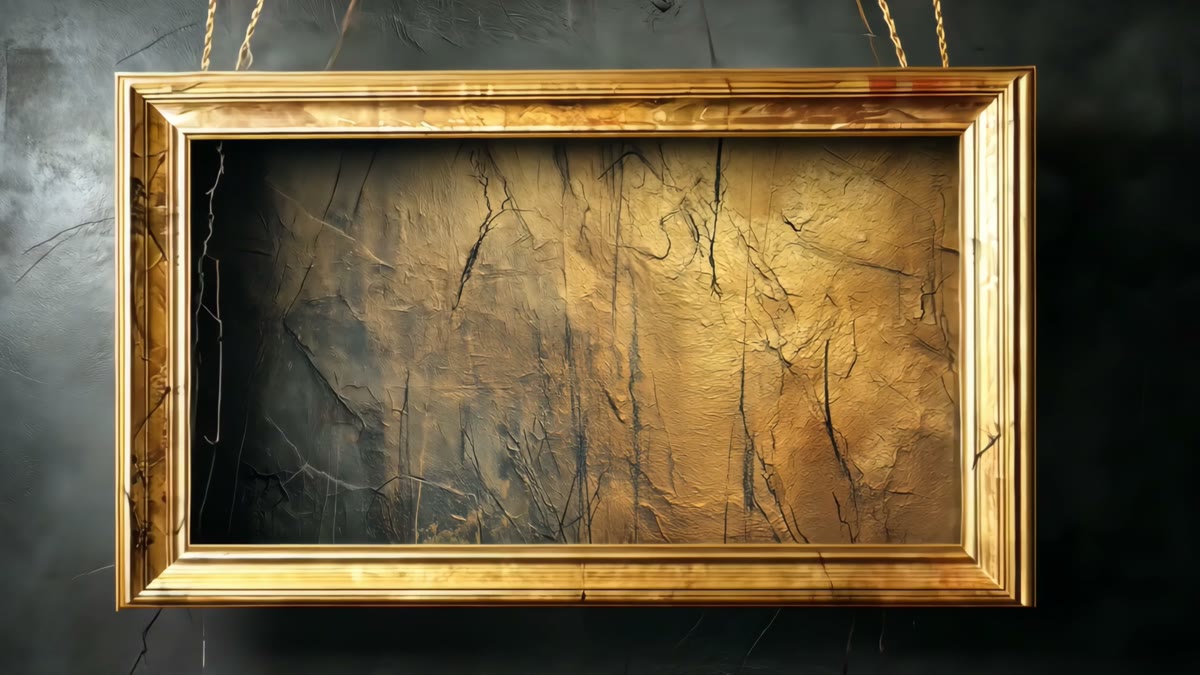
So the film became a meditation on the frame itself. Its visual world is a cousin of Joseph Cornell's boxes, of the cabinet of curiosities: a way of looking at things from another angle, of putting them inside a box and asking what the box includes and what it leaves out. Gilded frames hang, fill, and empty. Kuwornu's recovered figures step into the centre; the frames that once excluded them are turned into the very subject of the film. It is a tribute made in his own material, about the act of framing that his life's work has been spent contesting.
Each year the Foundation selects its winners and, with the help of the laureate, chooses the subject of the film they are being honored for. The Foundation’s team, who know that work intimately, help bring it to the page, and we turn it into script, image, register, and motion.
The one thing we keep from them is the film itself. It is made in their honor but held back, so that the first time Fred Kuwornu meets it, in animated form, is the evening of the prize — the very moment they are being celebrated for the work it depicts. That is the part of the project we love: a film that is also a gift, a surprise, revealed in the room where it does its work.
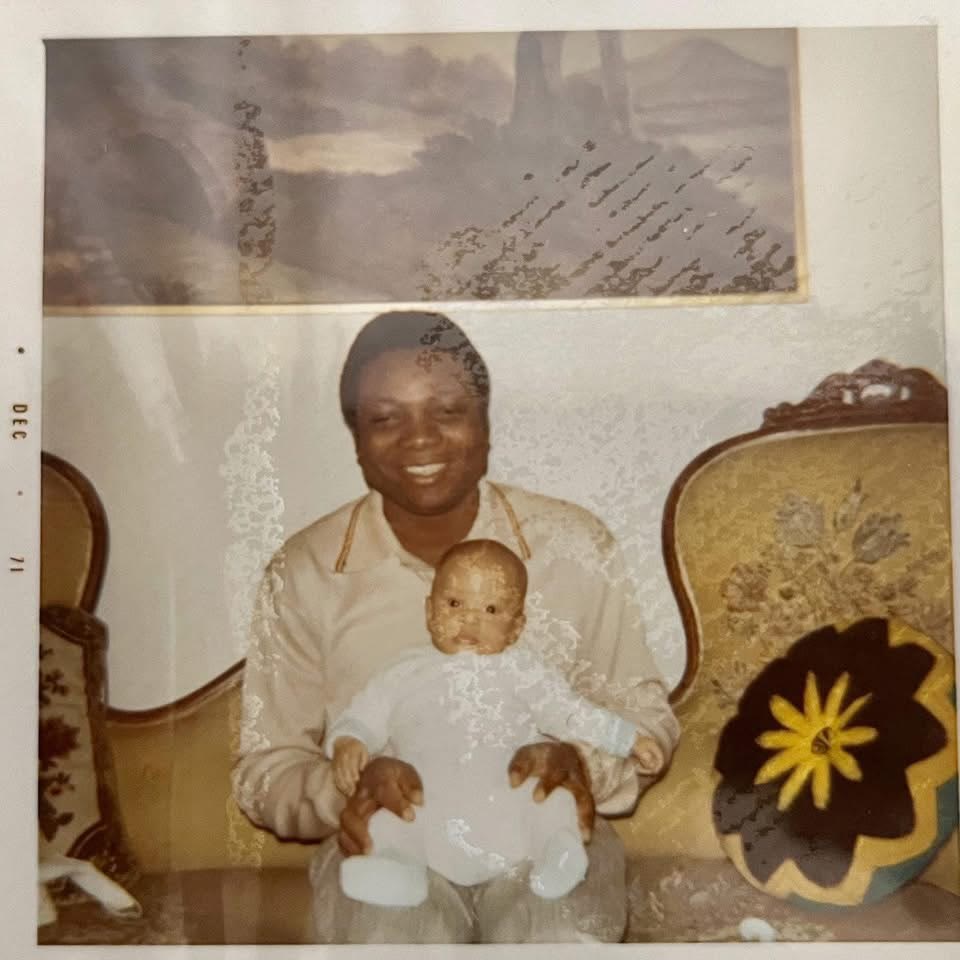
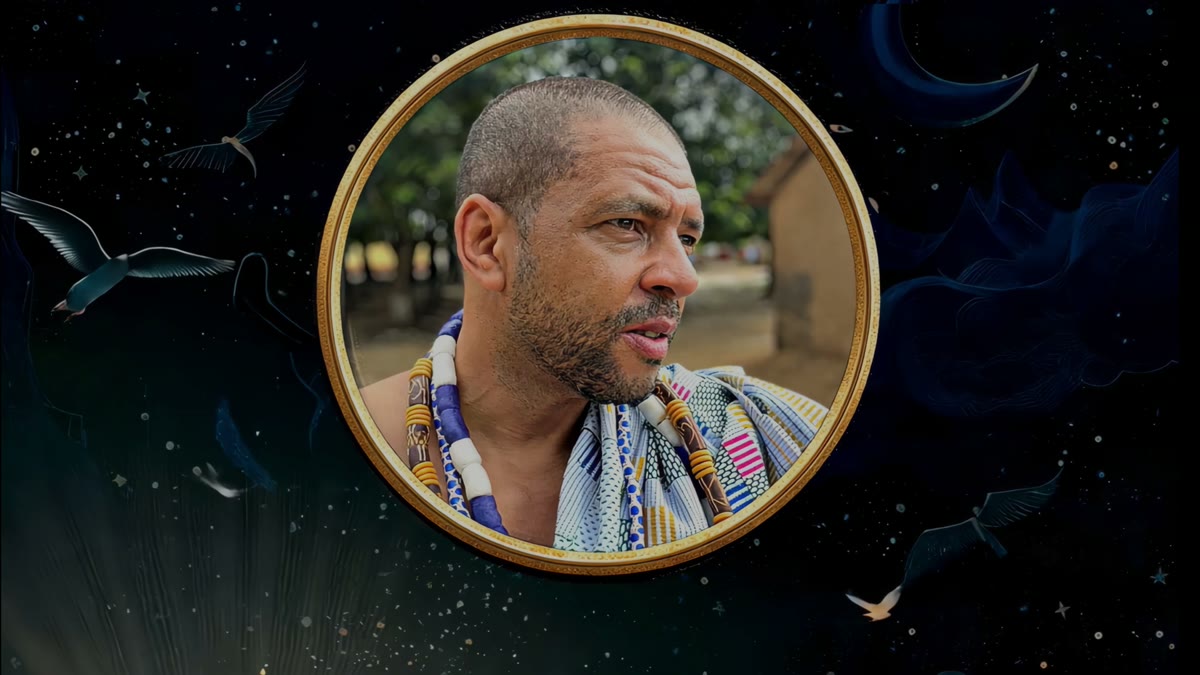
The Dan David films don't end their life on the evening of the prize. After the ceremony they travel to YouTube and to the Foundation's own website, where each one sits alongside the committee's reasoning for choosing the laureate and further material on their work. The winners are interviewed once the films are public, and those interviews are woven into the published versions. Several laureates carry the films further still, into their teaching and public talks, as a way of explaining, in a few minutes, what they have spent careers on.
You care about your subject.
So do we.
Client: Dan David Foundation
Subject: Fred Kudjo Kuwornu, filmmaker (Do The Right Films)
Source material: films and photographs by Fred Kudjo Kuwornu, including We Were Here (2024)
Direction: Daniella Koffler
Animation: Moofa Animation Team
Year: 2025