Source material
What we did with it
A short tribute on a historian of science who has shown how, in an age when the Church could ban a book outright, physicians and scholars found the ways to keep dangerous, useful knowledge quietly, stubbornly alive.
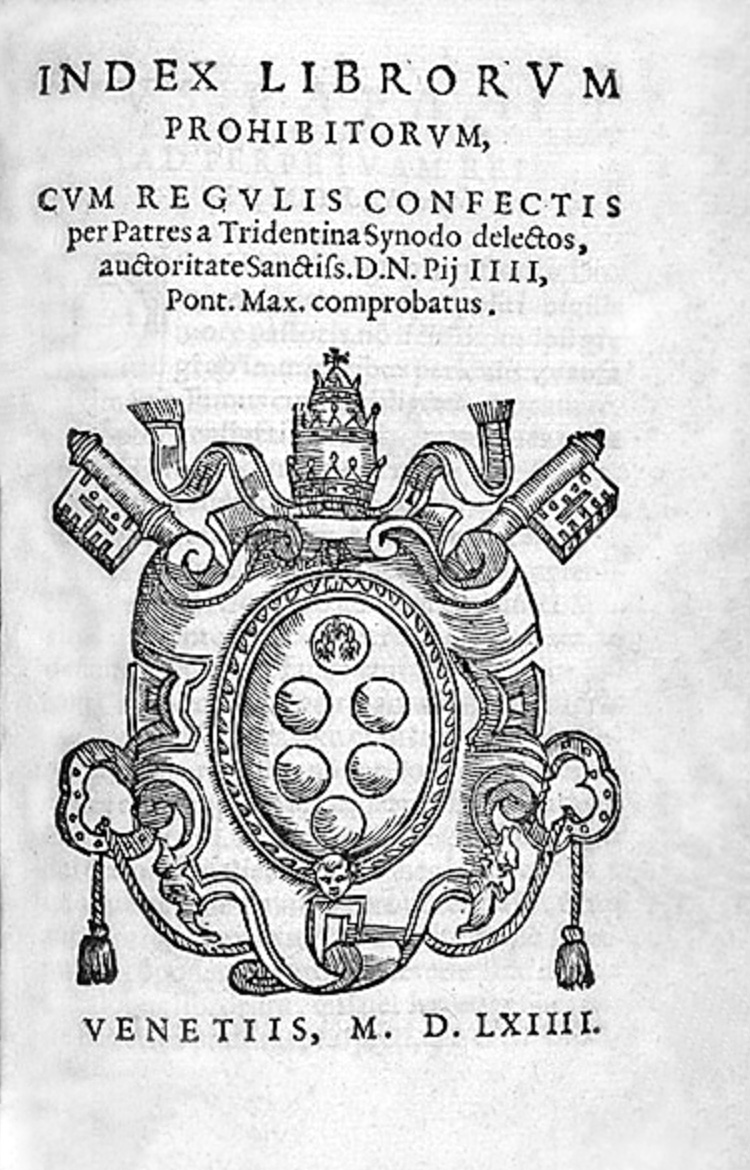
Hannah Marcus is Professor of the History of Science at Harvard University, a historian of the scientific culture of early modern Europe between 1400 and 1700. Her book Forbidden Knowledge: Medicine, Science, and Censorship in Early Modern Italy (University of Chicago Press, 2020) tells a surprising story about prohibition: what happened to knowledge that the Catholic Church placed on its Index of banned books, but that doctors still needed.
Rather than simply disappearing, Marcus shows, forbidden medical books were negotiated over, licensed, expurgated, and kept in careful circulation, as physicians argued with ecclesiastical authorities that some banned knowledge was too useful to lose. The Dan David Prize honored Marcus as a historian of science whose work illuminates the scientific culture of early modern Europe, and the intricate ways knowledge and authority bargained with one another.
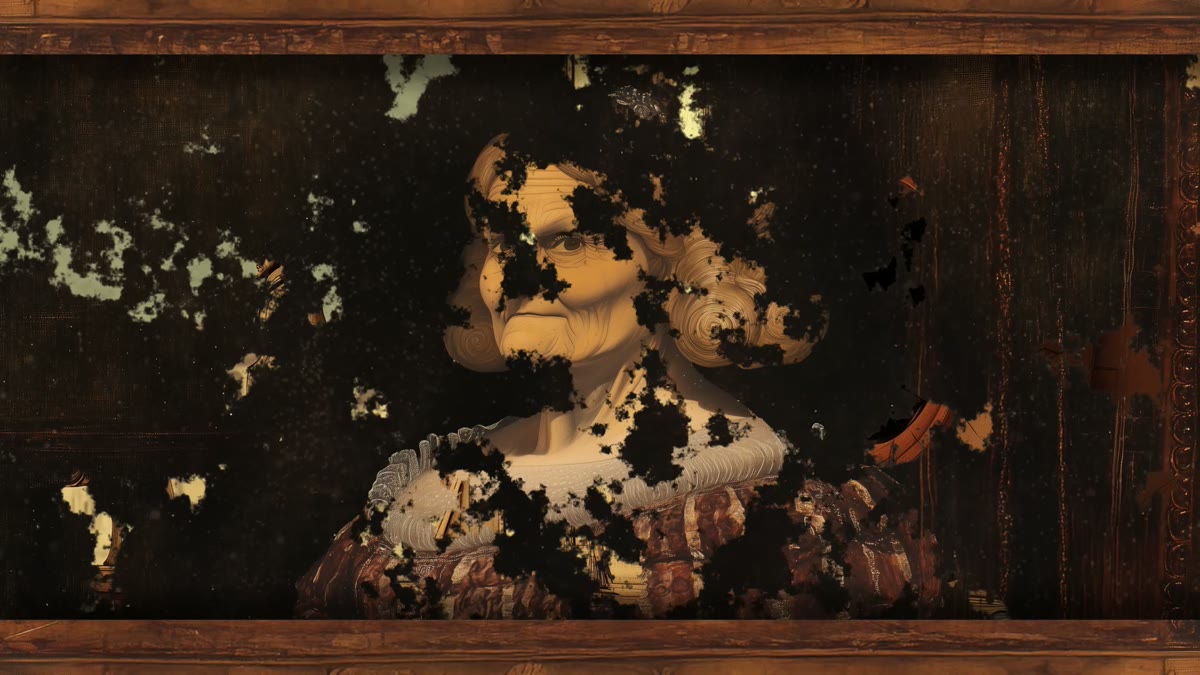
Marcus's story overturns the easy picture of censorship as a wall that simply stops knowledge. Her early modern Italy is subtler and more human: a place where a banned medical book might be too valuable to lose, where a physician could petition to keep it, where a censor might ink out a passage rather than destroy the whole, where knowledge and prohibition lived in a long, negotiated tension.
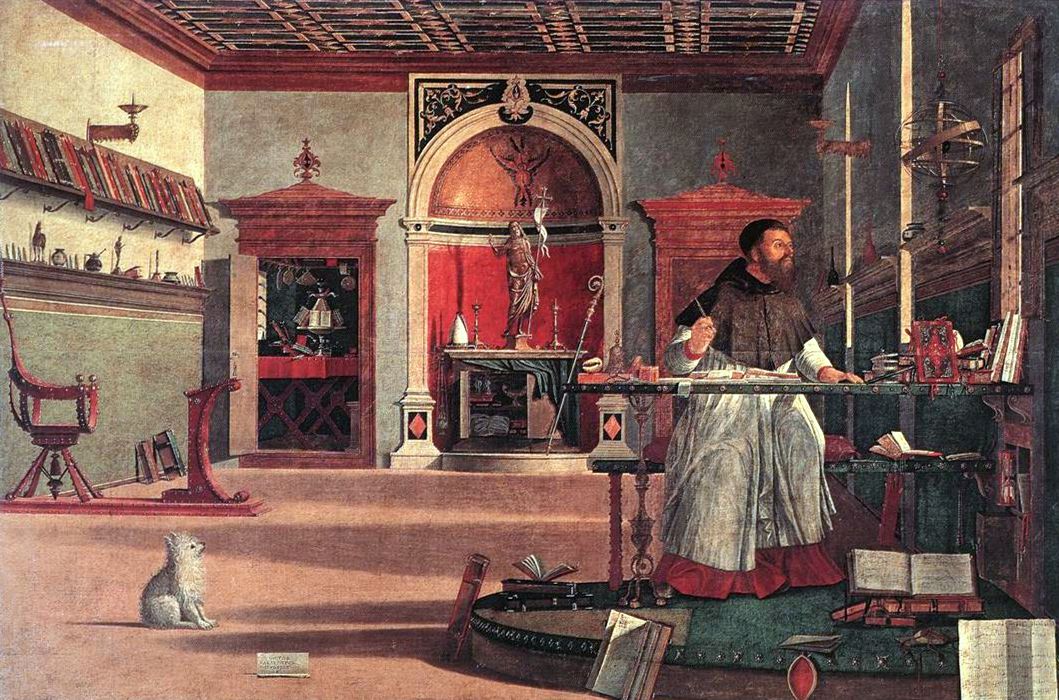
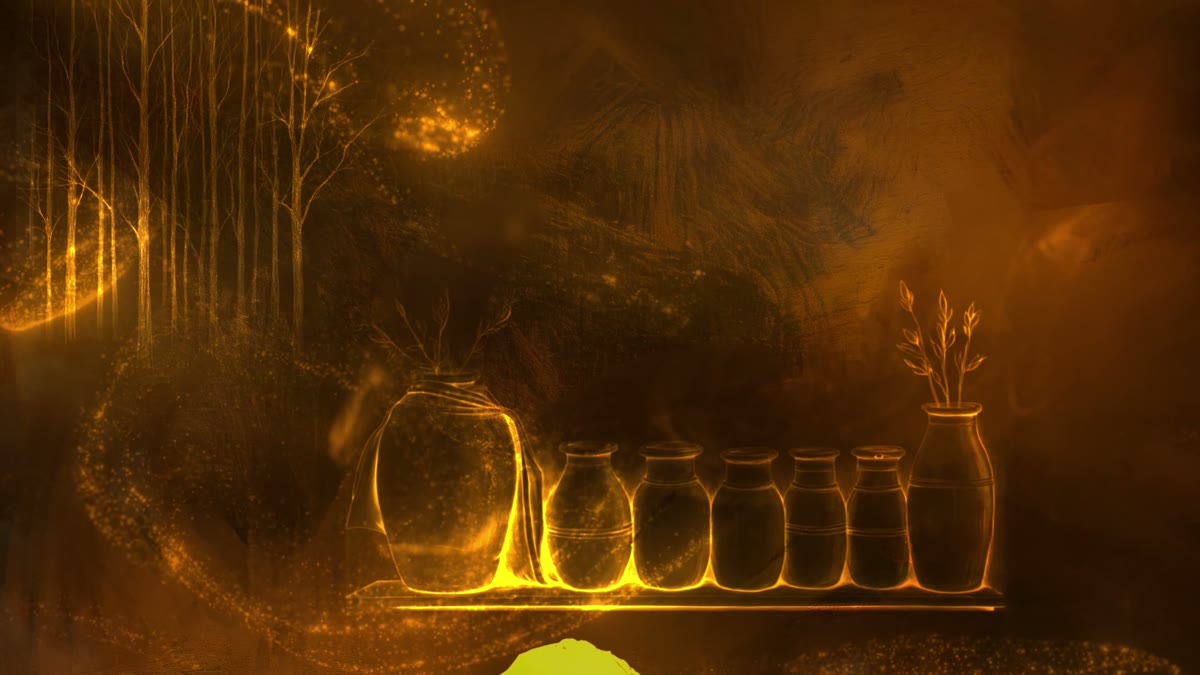
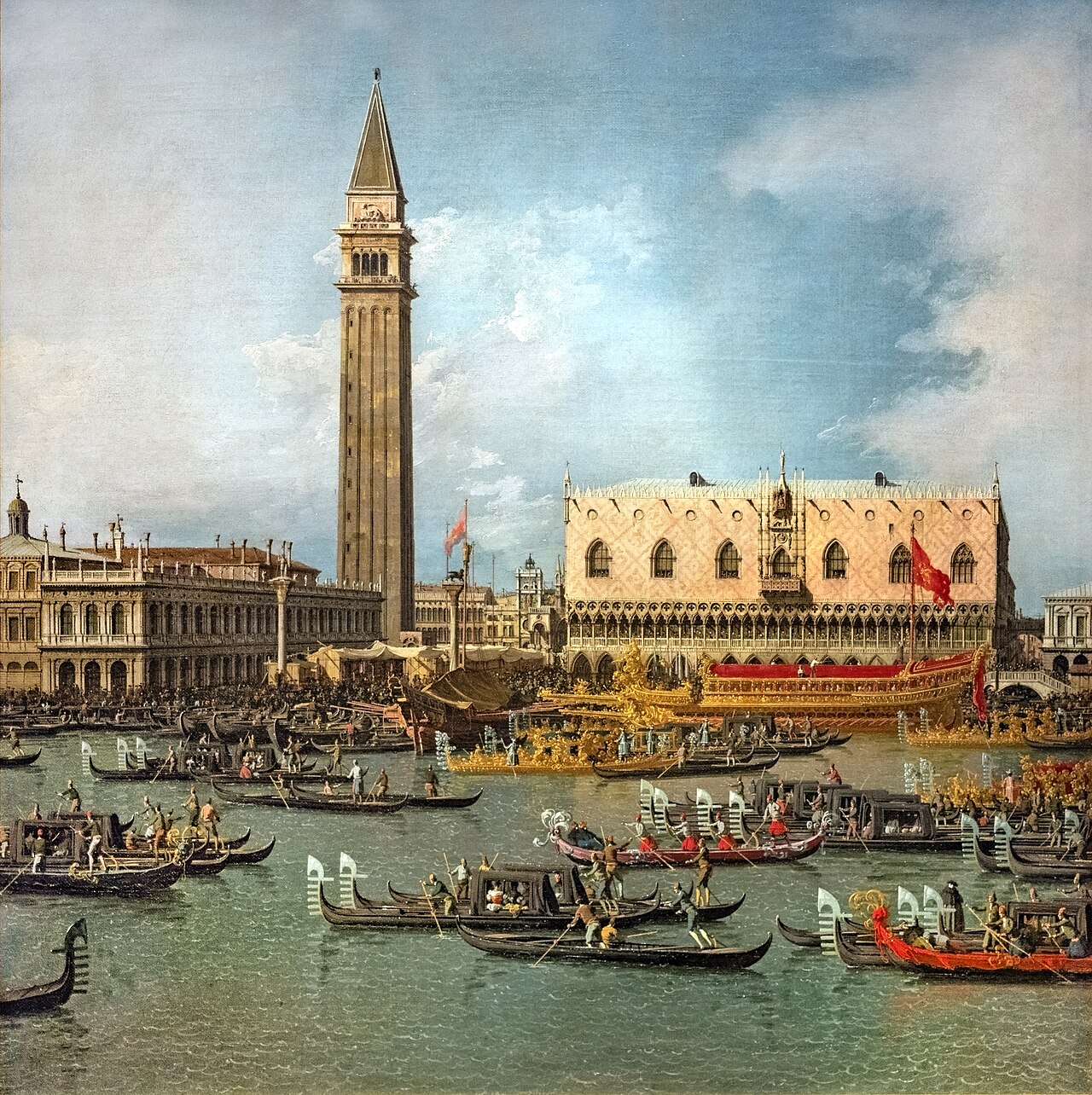
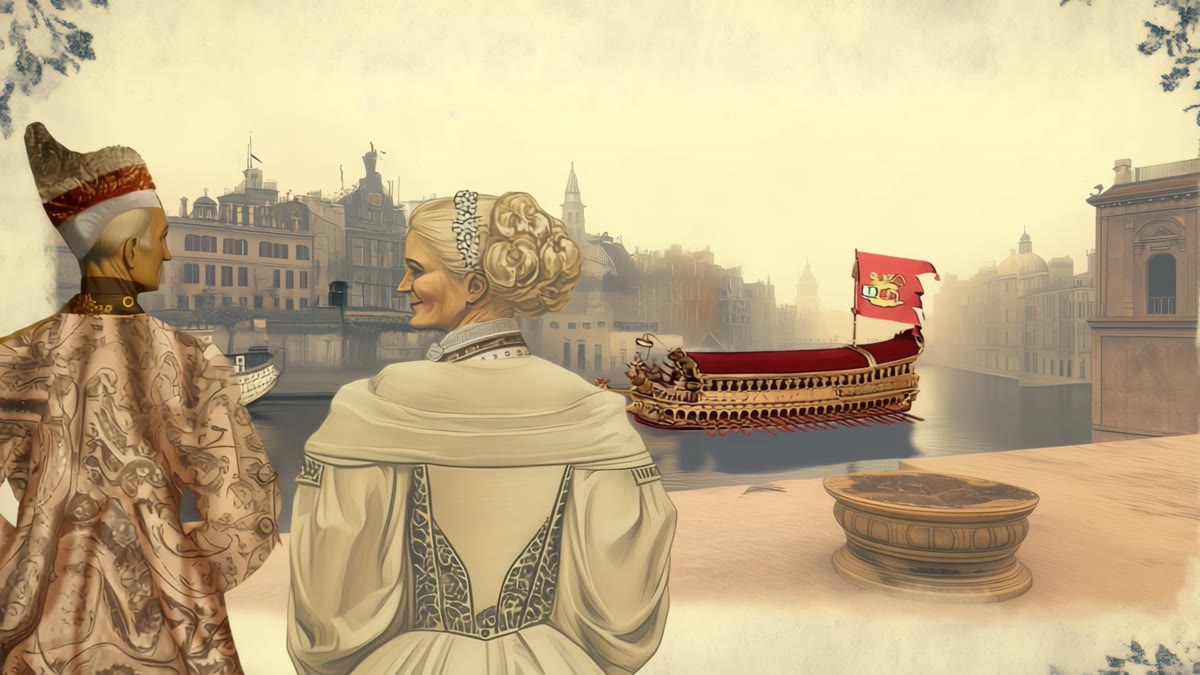
The film's task was to give that tension a texture, and a world. We set it in the Venetian Renaissance, among its scholars and its light, and let the objects carry the argument: the banned book, the study full of learning, the fragile survival of what authority tried to erase. We wanted the viewer to feel that the history of science includes not only discovery but the quieter, braver work of keeping knowledge alive when it was forbidden.
Each year the Foundation selects its winners and, with the help of the laureate, chooses the subject of the film they are being honored for. The Foundation’s team, who know that work intimately, help bring it to the page, and we turn it into script, image, register, and motion.
The one thing we keep from them is the film itself. It is made in their honor but held back, so that the first time Hannah Marcus meets it, in animated form, is the evening of the prize — the very moment they are being celebrated for the work it depicts. That is the part of the project we love: a film that is also a gift, a surprise, revealed in the room where it does its work.
The Dan David films don't end their life on the evening of the prize. After the ceremony they travel to YouTube and to the Foundation's own website, where each one sits alongside the committee's reasoning for choosing the laureate and further material on the research. The winners are interviewed once the films are public, and those interviews are woven into the published versions. Several laureates carry the films further still, into their teaching, playing them for graduate seminars, public lectures, and visiting audiences as a way of explaining, in a few minutes, what they have spent careers on.
You care about your subject.
So do we.
Client: Dan David Foundation
Subject: Prof. Hannah Marcus, Harvard University
Direction: Daniella Koffler
Animation: Moofa Animation Team
Year: 2025