Source material
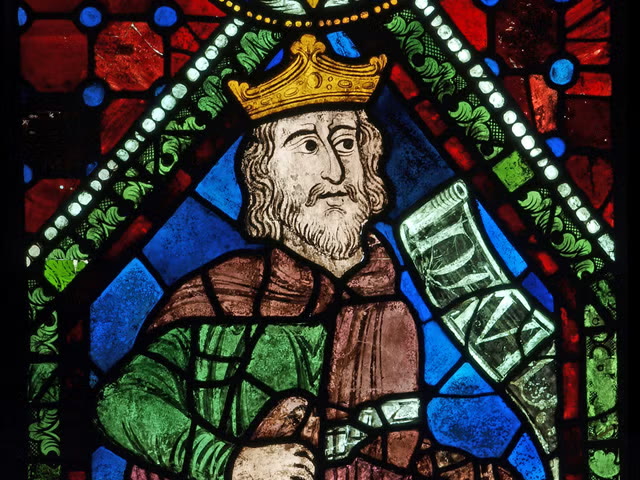
What we did with it
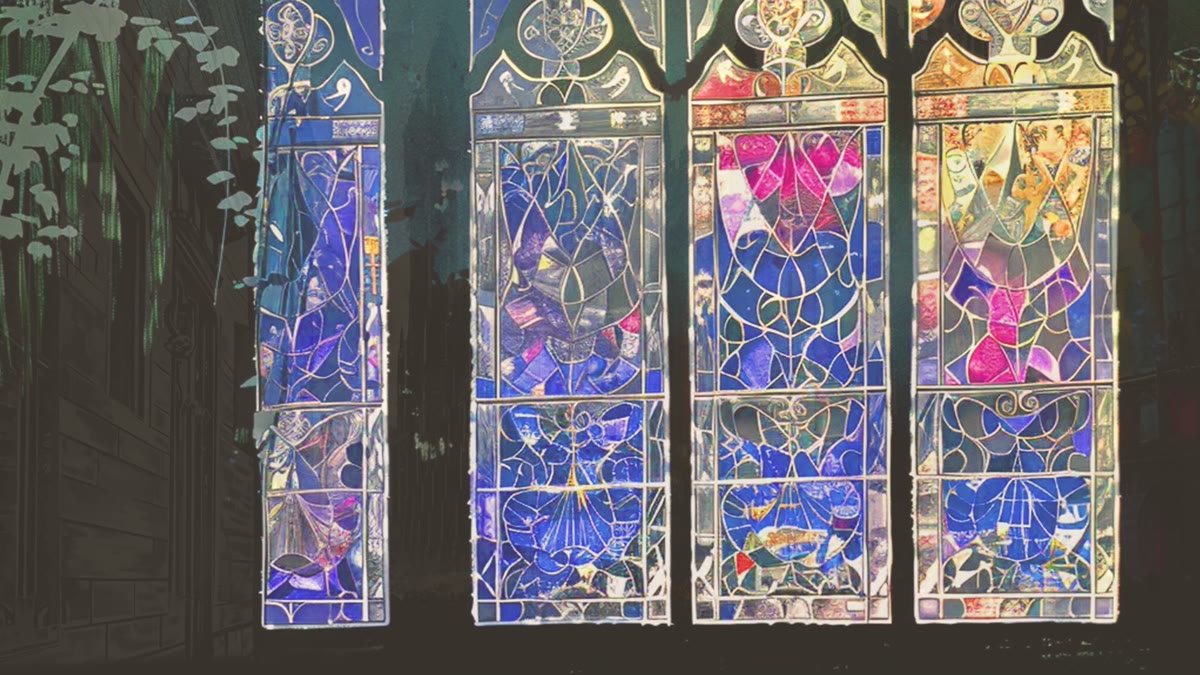
A two-and-a-half-minute tribute on a cultural historian of Europe whose work has followed a single material, glass, across centuries, and asked what different societies believed a piece of it was for.
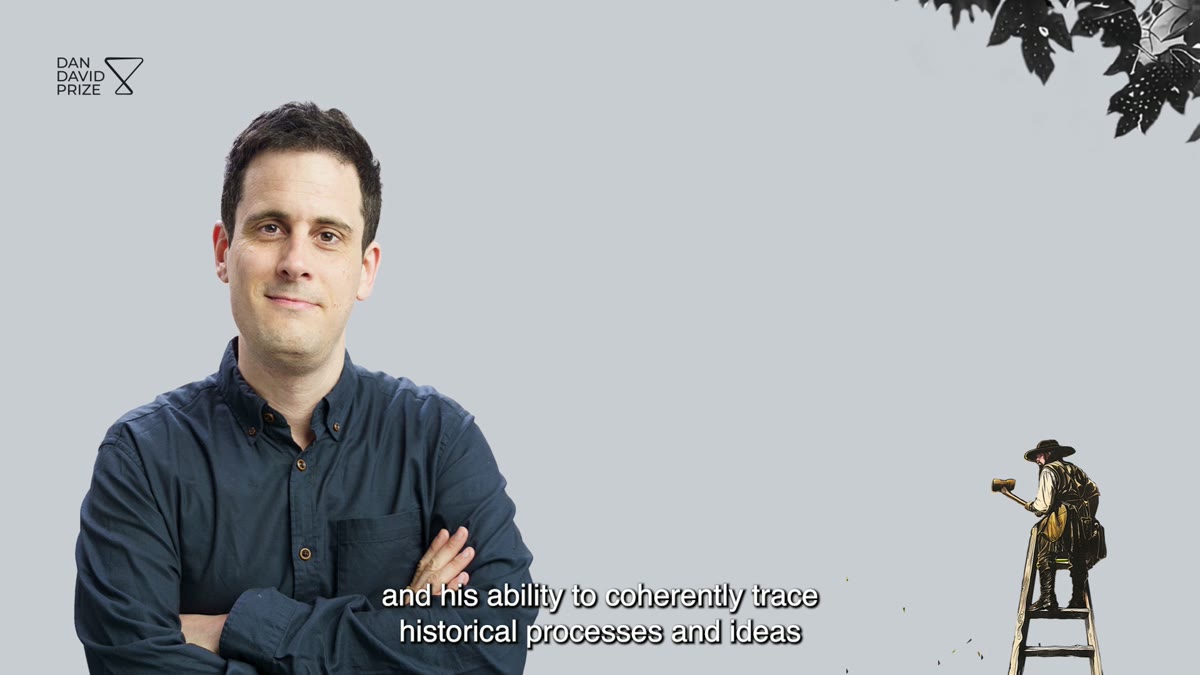
Daniel Jütte is Professor of History at New York University, and a cultural historian of Europe from the late Middle Ages to the present. His work has centred on the history of materiality, on what different substances meant, in different periods, to the people who lived among them.
His book Transparency: The Material History of an Idea (Yale University Press, 2023) traces the changing cultural meanings of architectural glass from antiquity to the present. Earlier work, including The Strait Gate: Thresholds and Power in Western History and The Age of Secrecy: Jews, Christians, and the Economy of Secrets, established his method: reading a single kind of object across the periods and religions that used it. The Dan David Prize honored Jütte as a cultural historian of Europe whose scholarship reads the material world as a history of belief.
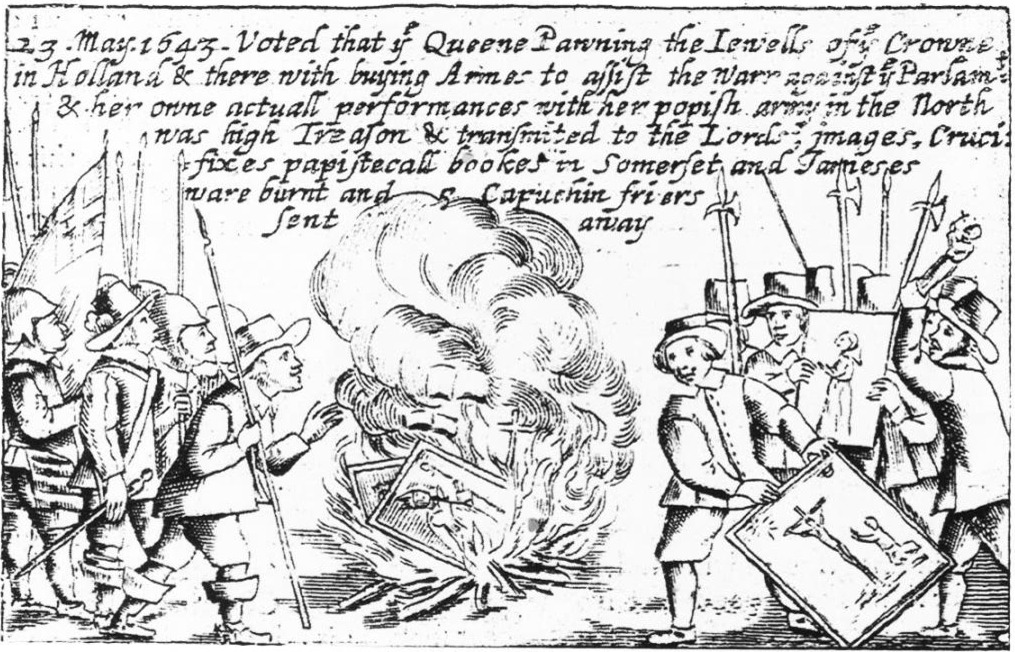
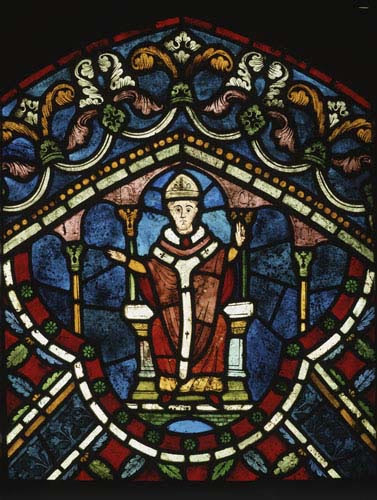
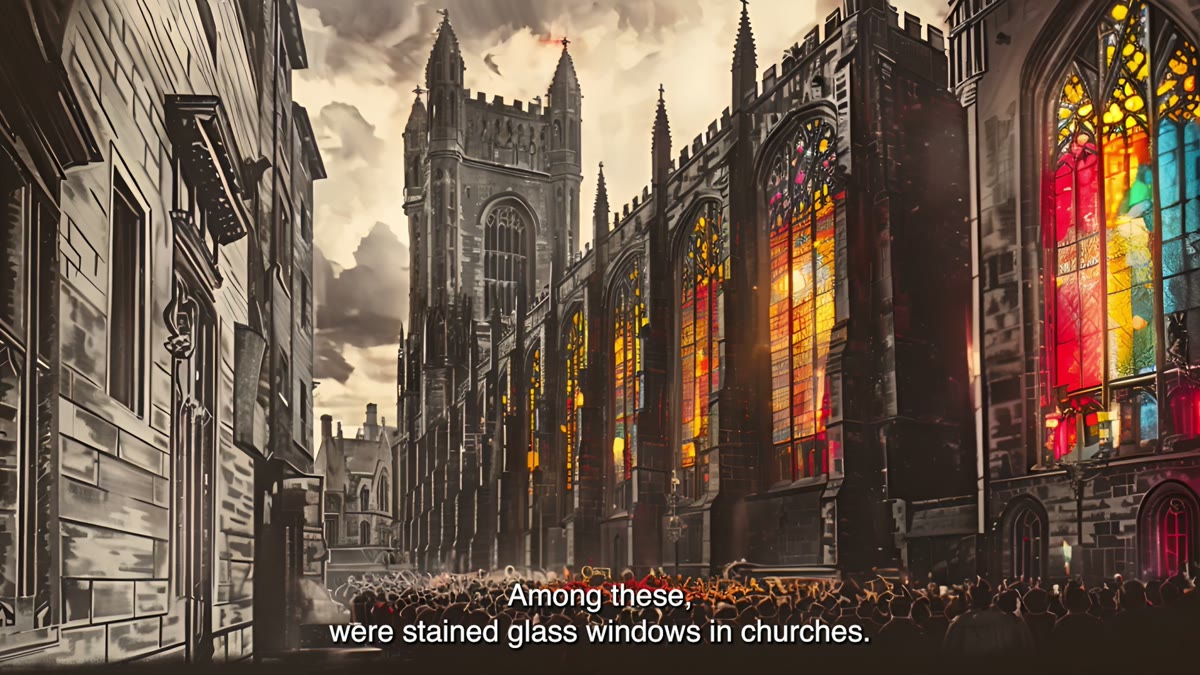
Most visitors to a cathedral today look at a stained-glass window and think how beautiful. Jütte's argument is that this was not always what the window meant. In seventeenth-century England, the same object that a Catholic devotion had bought and installed became, in the eyes of a Puritan iconoclast, an idol to be destroyed. Glass, a material with several thousand years of history behind it, had been understood as a household necessity, an architectural luxury, a sign of the sacred, a sign of vanity, a proof of the wrong theology, all in different centuries and by different societies. The same substance kept meaning different things.
The film's task was to give the viewer the felt collision of those meanings. We chose the sharpest one Jütte's period offered us. A man climbing a huge ladder, at the top of a cathedral, hammer in his hand, gleefully destroying an object that other people had built thoughtfully, generations before him, and had believed was holy. That is the film's central dramatic moment. The clash of what the material was, and what it had suddenly become.
Each year the Foundation selects its winners and, with the help of the laureate, chooses the subject of the film they are being honored for. The Foundation’s team, who know that work intimately, help bring it to the page, and we turn it into script, image, register, and motion.
The one thing we keep from them is the film itself. It is made in their honor but held back, so that the first time Daniel Jütte meets it, in animated form, is the evening of the prize — the very moment they are being celebrated for the work it depicts. That is the part of the project we love: a film that is also a gift, a surprise, revealed in the room where it does its work.
The Dan David films don't end their life on the evening of the prize. After the ceremony they travel to YouTube and to the Foundation's own website, where each one sits alongside the committee's reasoning for choosing the laureate and further material on the research. The winners are interviewed once the films are public, and those interviews are woven into the published versions. Several laureates carry the films further still, into their teaching, playing them for graduate seminars, public lectures, and visiting audiences as a way of explaining, in two and a half minutes, what they have spent careers on.
Jütte's film was the precursor to the material-first practice we have written about elsewhere. If the film is about lipstick, draw it with lipstick →
You care about your subject.
So do we.
Client: Dan David Foundation
Subject: Prof. Daniel Jütte, New York University
Direction: Daniella Koffler
Animation: Moofa Animation Team
Year: 2024