Source material
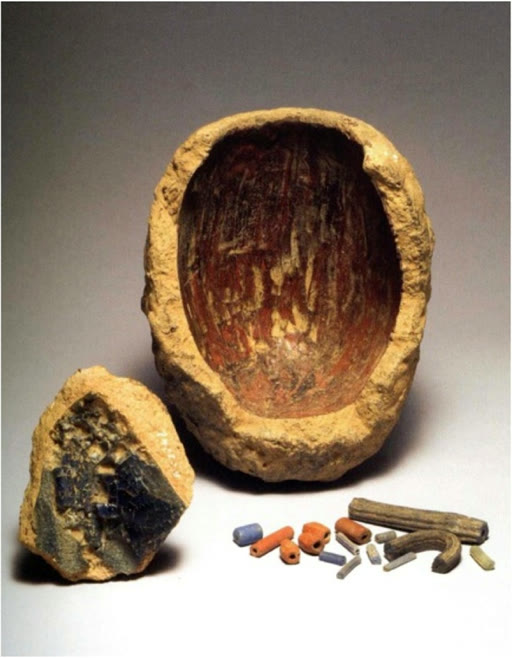
What we did with it
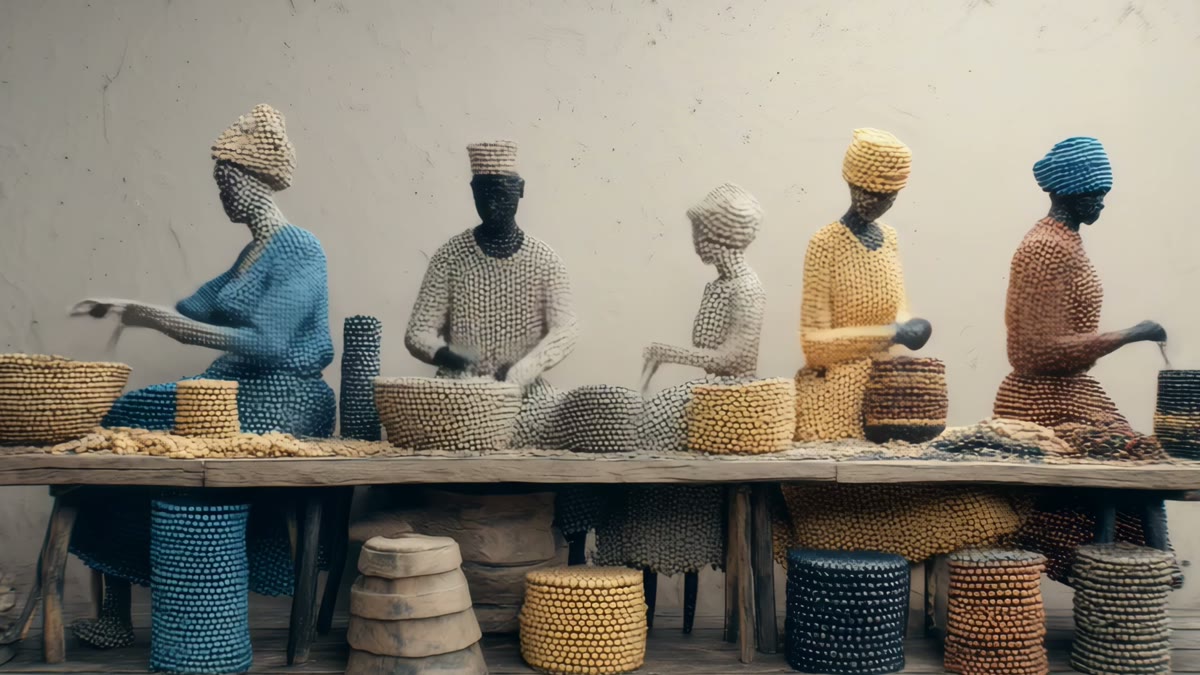
A short tribute on an archaeologist whose excavations at Ile-Ife proved that West Africa was making its own glass, from its own raw materials, centuries before anyone thought to look, and the film we built, frame by frame, from the very thing his research is about.
Abidemi Babatunde Babalola is an archaeologist of early glass production in West Africa. He took his PhD at Rice University and is the lead archaeologist on the Museum of West African Art (MOWAA) archaeology project in Benin City, working as a research fellow with the British Museum's Department of Africa, Oceania and the Americas.
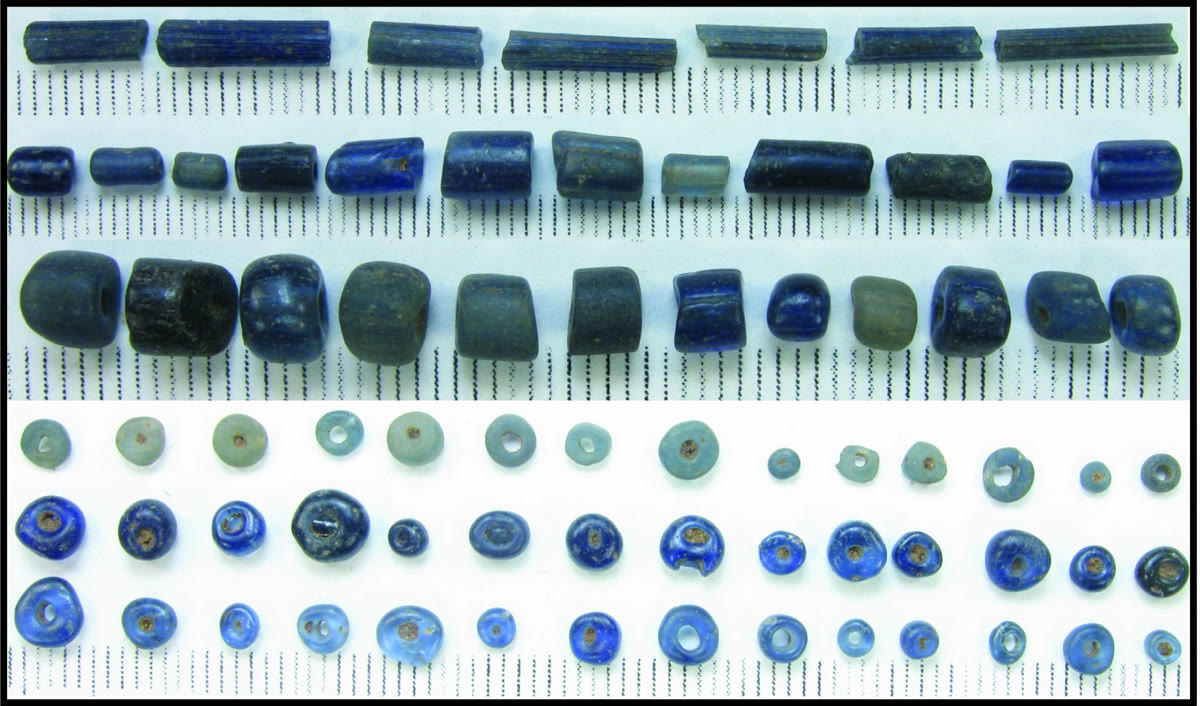
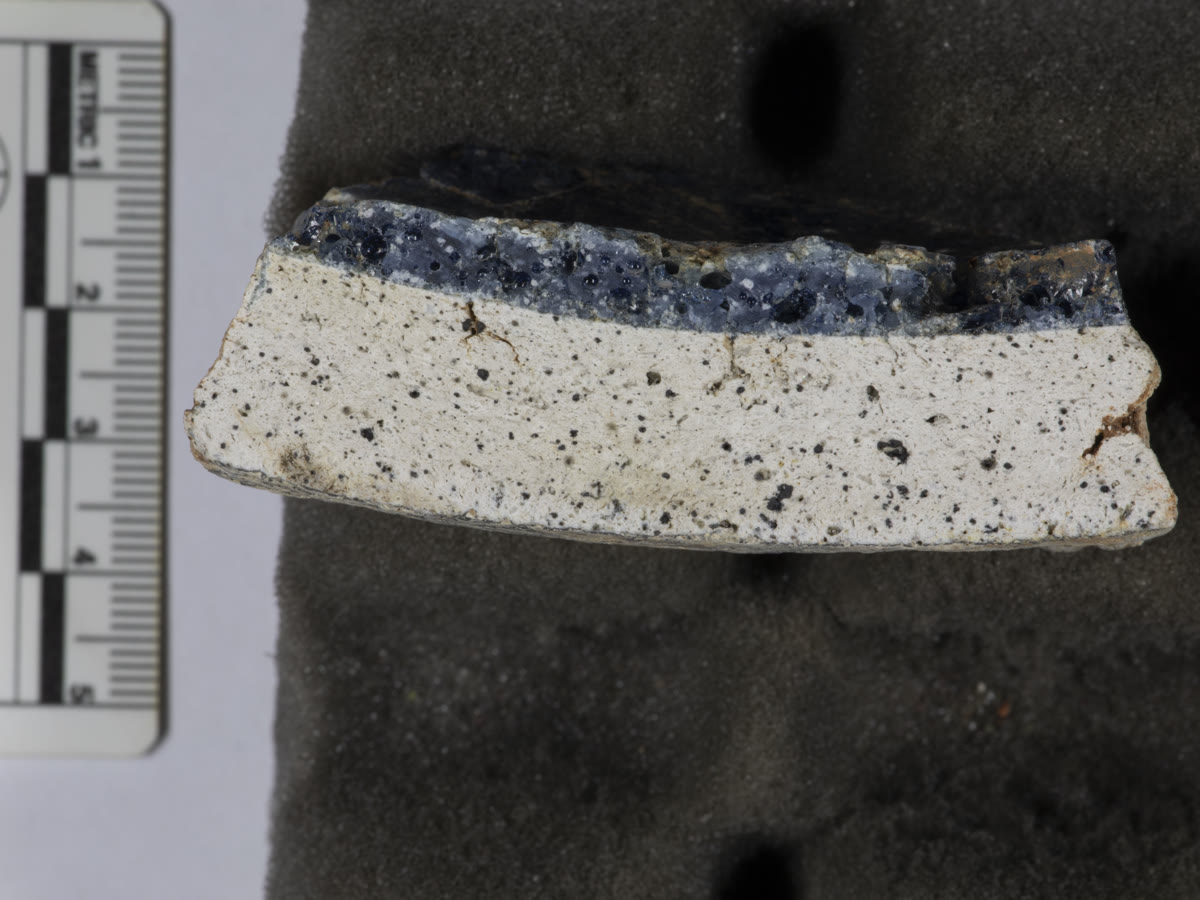
His excavations at Igbo-Olokun, a precinct of the ancient Yoruba city of Ile-Ife in south-western Nigeria, recovered more than twelve thousand glass beads alongside glass-encrusted crucibles and production debris. Chemical analysis showed a glass whose composition matched no known import: it was made locally, from local raw materials, between the eleventh and fifteenth centuries. The Dan David Prize honored Babalola for work that shows highly sophisticated glassmaking developed independently in the region, with a workshop centred in Ile-Ife, overturning the long assumption that sub-Saharan Africa only reworked glass made elsewhere.
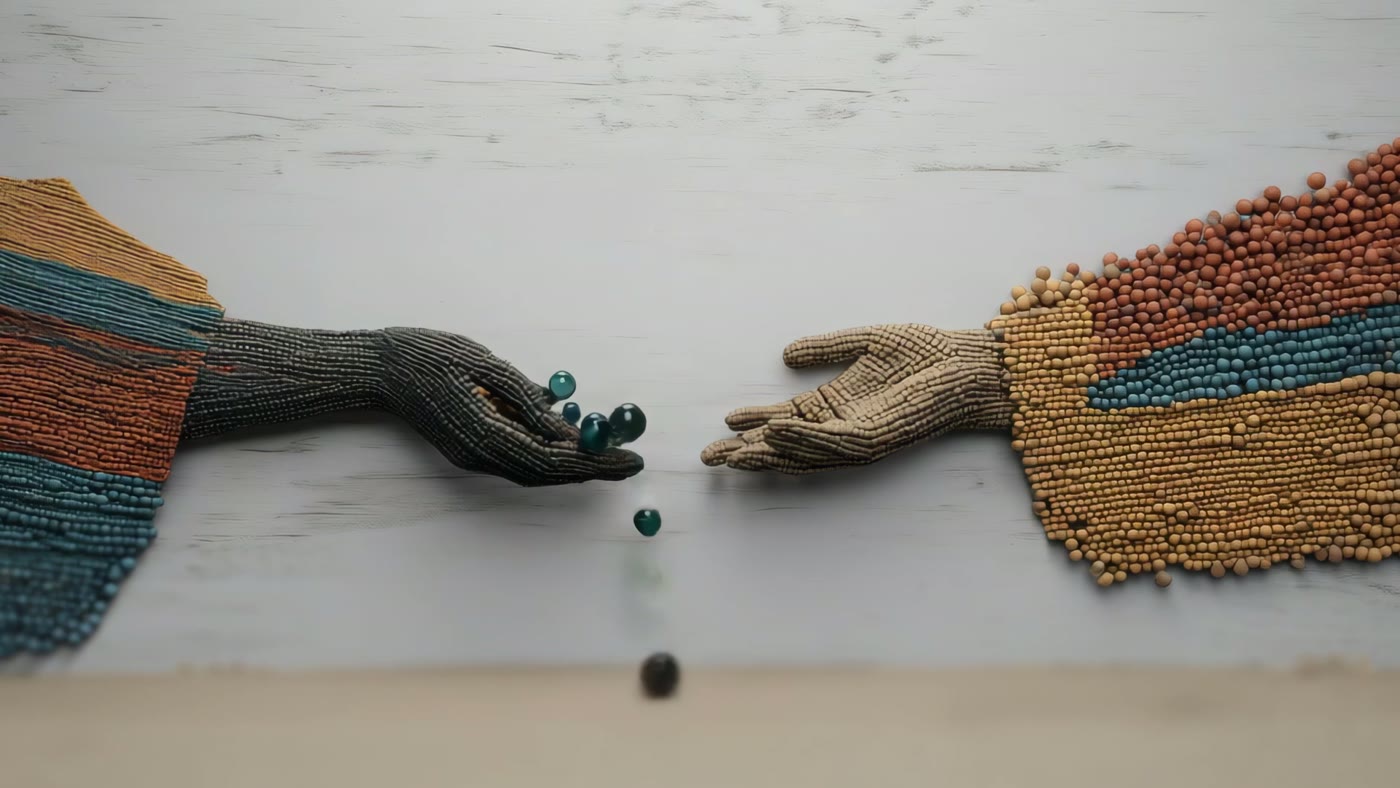
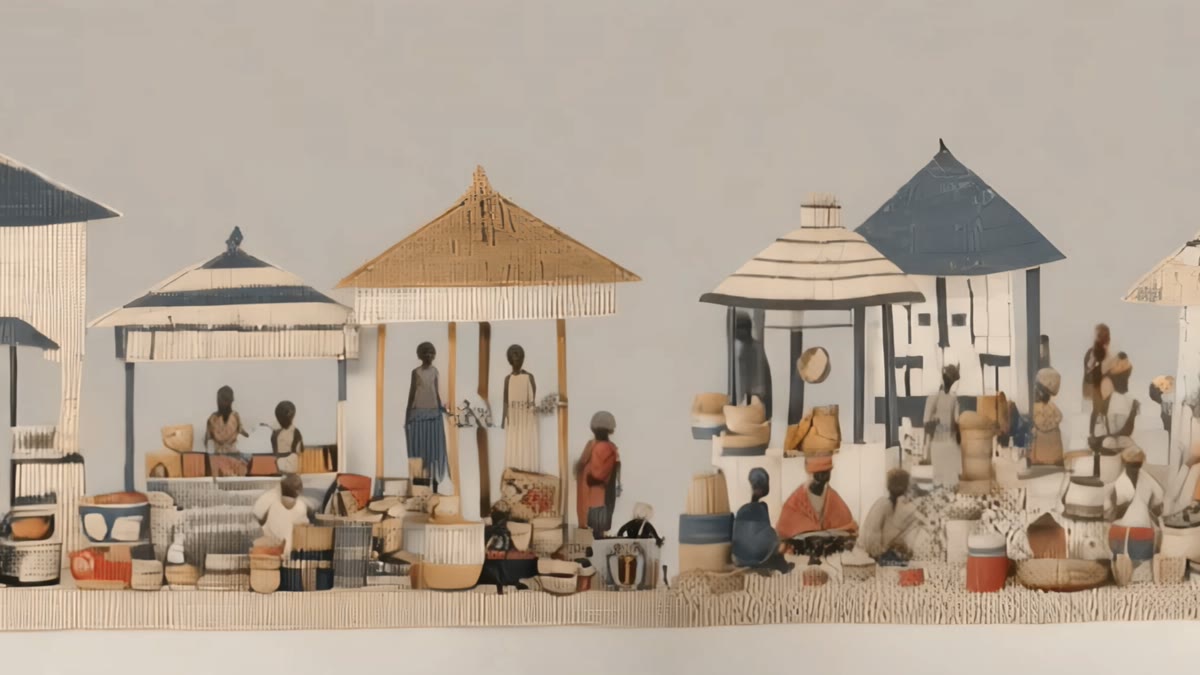
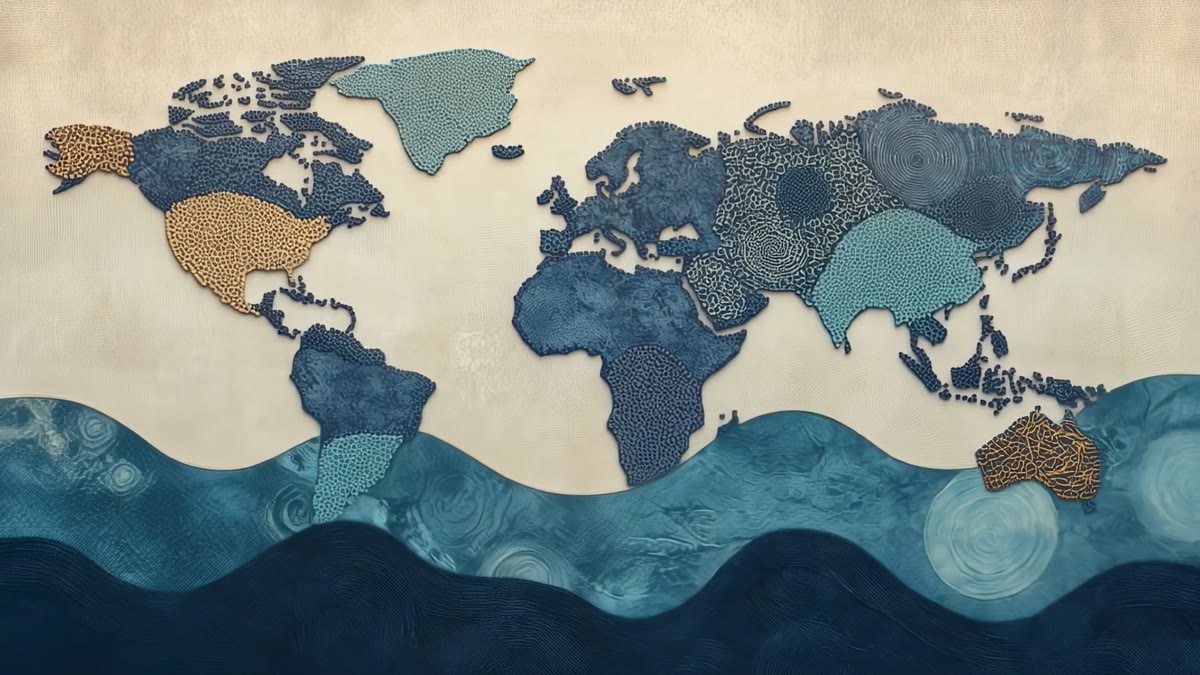
When we first heard what Babalola had found, that the beads of Ile-Ife were not imported treasures but objects the city made itself, from earth and fire, in a workshop of its own, we knew almost immediately how the film had to be made. Not drawn. Not rendered. It had to be made of beads. The whole world of the film, the city, the market, the makers, the map, would be built in a stop-motion style, frame by frame, out of the same small glass objects the research is about.
That decision is the film. A history of beadmaking, animated in beads, so that the material carries its own argument before a word is spoken. It was slow, and it changed the register of the film entirely. It is one of the clearest examples of a way of working we return to often: letting the substance a scholar studies become the substance the film is made from.
Each year the Foundation selects its winners and, with the help of the laureate, chooses the subject of the film they are being honored for. The Foundation’s team, who know that work intimately, help bring it to the page, and we turn it into script, image, register, and motion.
The one thing we keep from them is the film itself. It is made in their honor but held back, so that the first time Abidemi Babalola meets it, in animated form, is the evening of the prize — the very moment they are being celebrated for the work it depicts. That is the part of the project we love: a film that is also a gift, a surprise, revealed in the room where it does its work.
The Dan David films don't end their life on the evening of the prize. After the ceremony they travel to YouTube and to the Foundation's own website, where each one sits alongside the committee's reasoning for choosing the laureate and further material on the research. The winners are interviewed once the films are public, and those interviews are woven into the published versions. Several laureates carry the films further still, into their teaching, playing them for graduate seminars, public lectures, and visiting audiences as a way of explaining, in a few minutes, what they have spent careers on.
Babalola's film is one of the clearest examples of our material-first practice. If the film is about lipstick, draw it with lipstick →
You care about your subject.
So do we.
Client: Dan David Foundation
Subject: Dr. Abidemi Babatunde Babalola, British Museum & MOWAA
Direction: Daniella Koffler
Animation: Moofa Animation Team
Year: 2025