Source material
What we did with it
A two-and-a-half-minute tribute on a historian whose work has returned to a single political fortnight in 1951, when the first amendment to the Indian constitution was written, argued over, and passed, and on the debate that has never really closed since.
Tripurdaman Singh is a historian of modern South Asia. He is currently an Ambizione Fellow at the Geneva Graduate Institute and an Associate Fellow at the Institute of Commonwealth Studies, University of London. His work asks how the political and constitutional decisions of India's first decade have shaped, and continue to shape, the country it is today.
His book Sixteen Stormy Days (Vintage/Penguin Random House India, 2020) recovered the political drama of the first amendment to the Indian constitution of 1951, a moment that had largely fallen out of the dominant narrative of Nehruvian India. The Dan David Prize honored Singh for extraordinary historical research into the political and constitutional history of South Asia, and for work that continues the ongoing debate about the constitutional structure of India and the historical antecedents of the mounting crises of civil liberties.
Singh's argument is that the sixteen days in May 1951, when Nehru's government drove the first amendment to the constitution through a still-new parliament, are not a closed episode. The debates staged there, about the reach of free speech, the meaning of sedition, the balance between executive power and civil liberty, are the same debates that recur in Indian public life today. The film sets out to make that continuity felt, not argued as a claim, but shown.
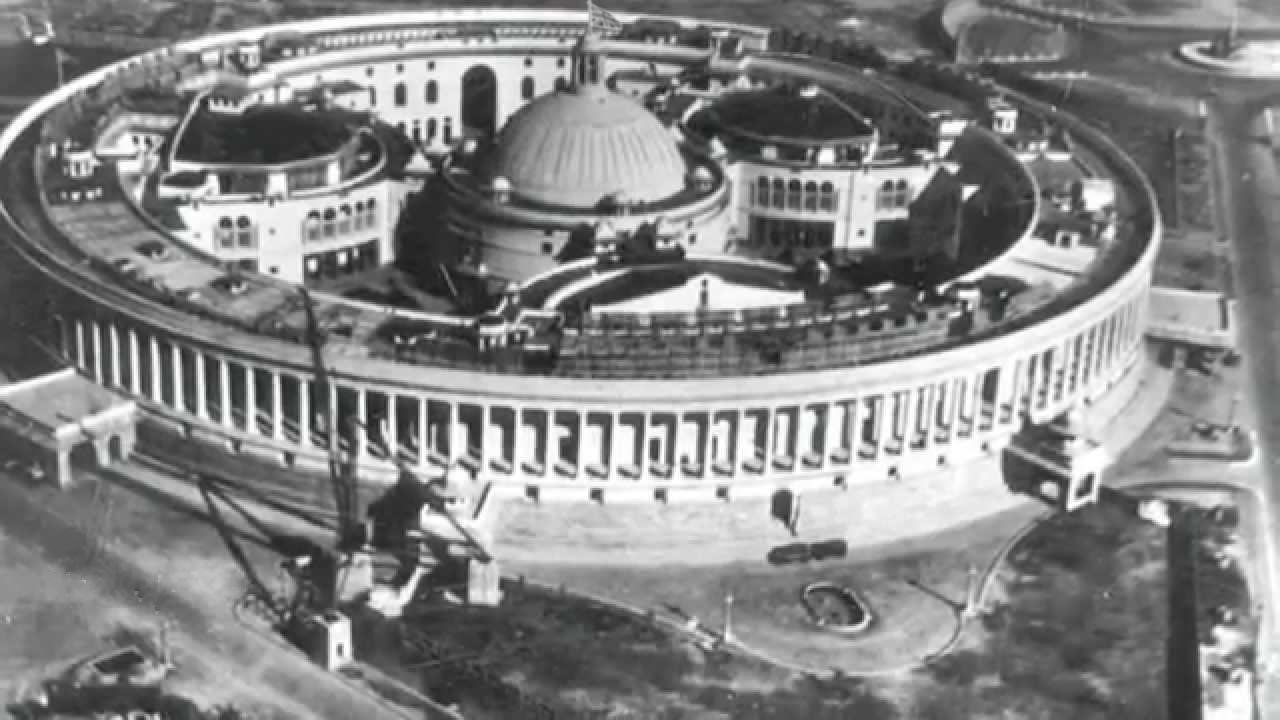
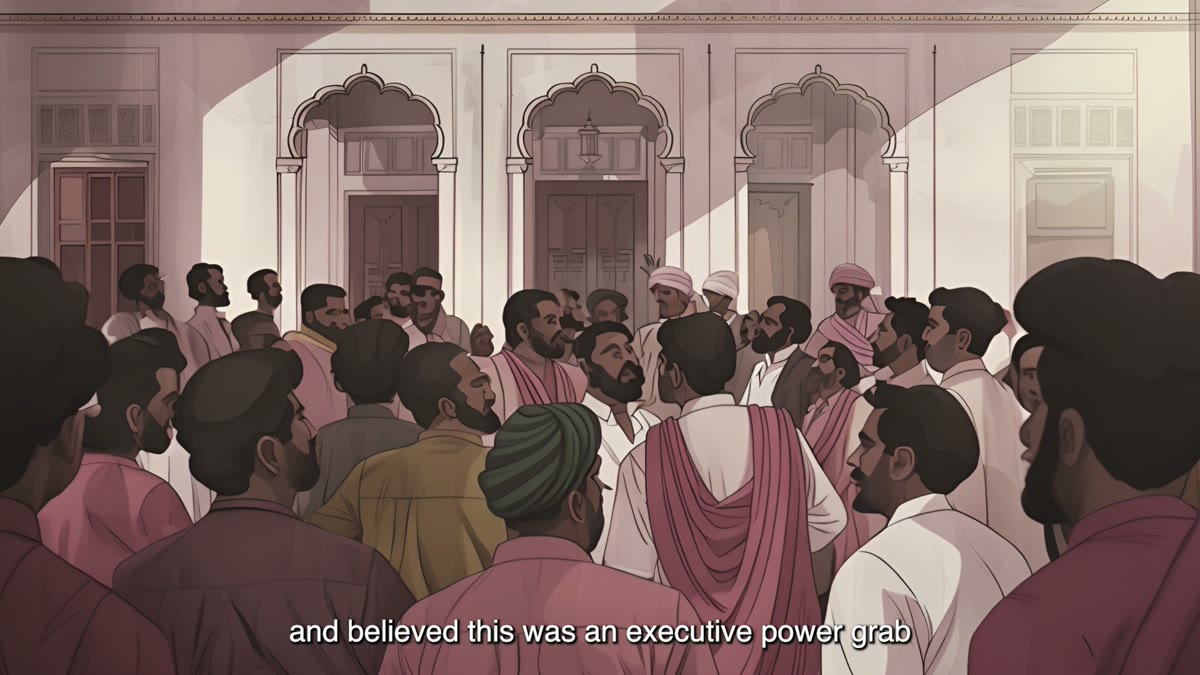
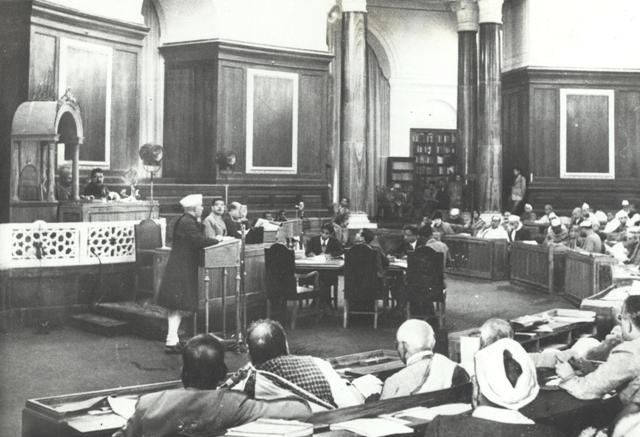
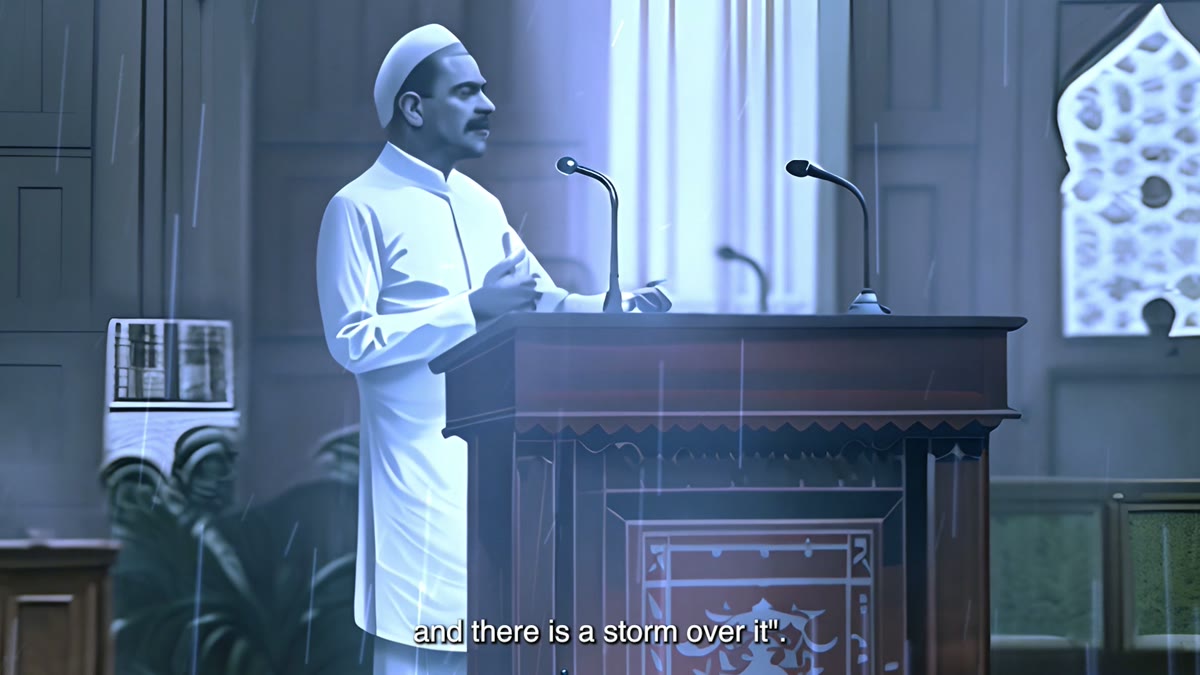
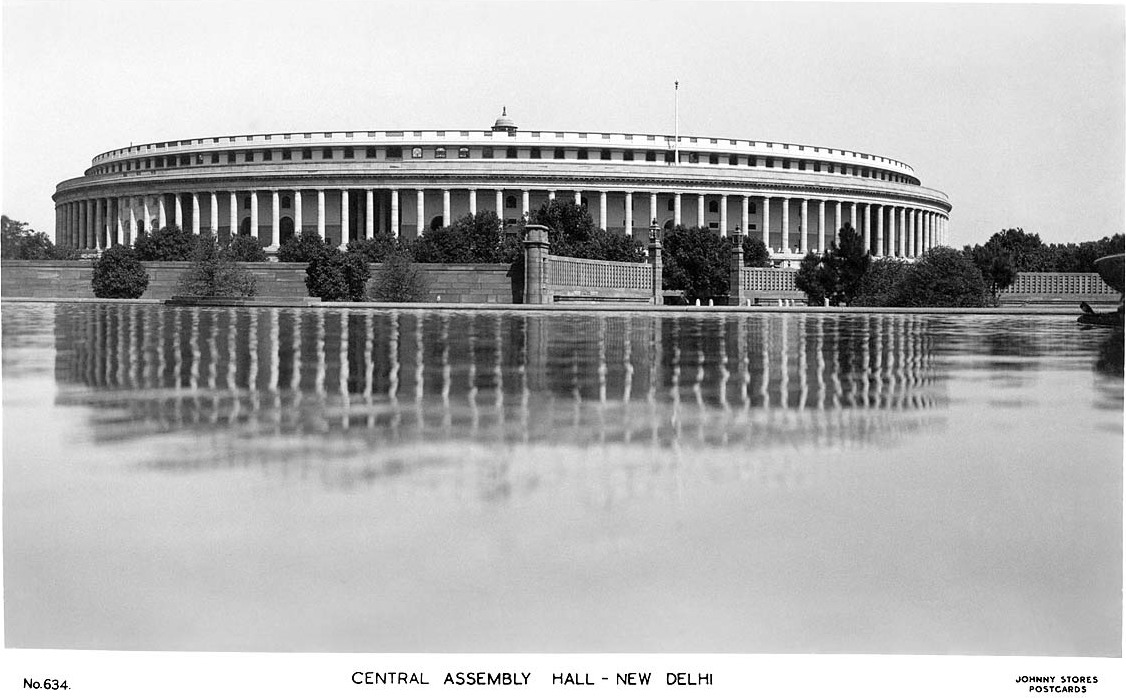
We took the visual argument in two directions at once. In one, the parliament chamber itself, the marble ranks, the speakers at the podium, the political theatre of the amendment. In the other, the Indian streets outside, where the people whose lives the amendment would touch had no seat in the chamber but had to live with what came out of it. The film moves between the two, treating the storm inside the parliament and the storm outside as one weather system, in India's scent and colour, in monsoon and in argument.
Each year the Foundation selects its winners and, with the help of the laureate, chooses the subject of the film they are being honored for. The Foundation’s team, who know that work intimately, help bring it to the page, and we turn it into script, image, register, and motion.
The one thing we keep from them is the film itself. It is made in their honor but held back, so that the first time Tripurdaman Singh meets it, in animated form, is the evening of the prize — the very moment they are being celebrated for the work it depicts. That is the part of the project we love: a film that is also a gift, a surprise, revealed in the room where it does its work.
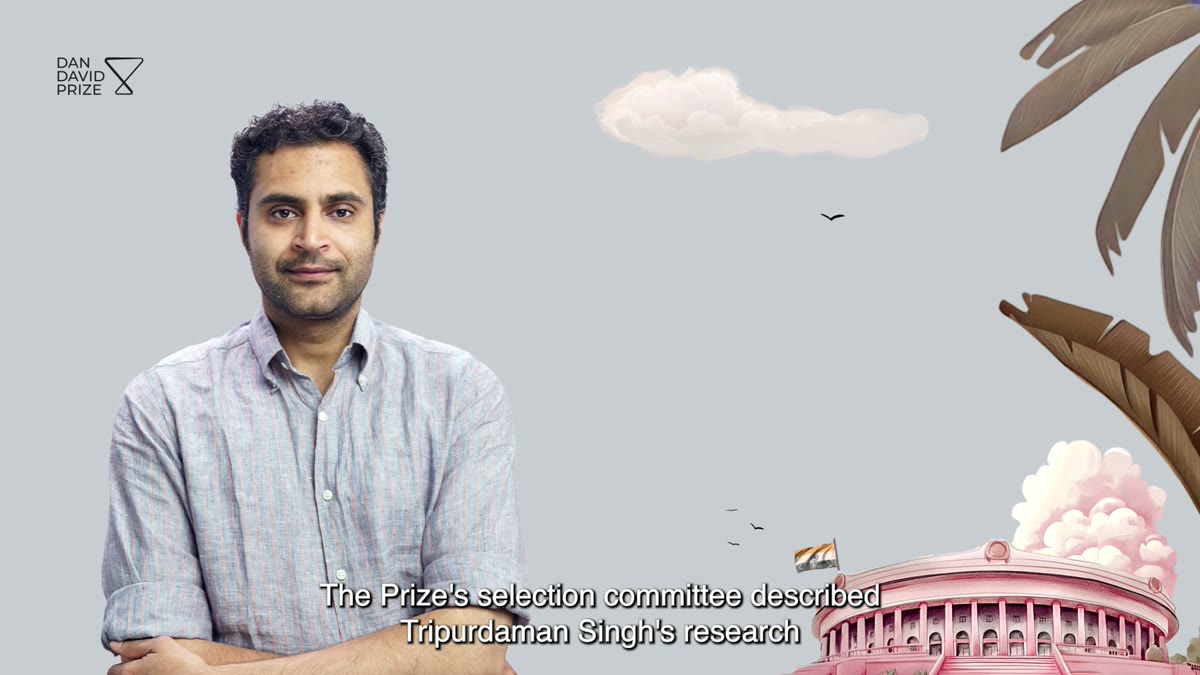
The Dan David films don't end their life on the evening of the prize. After the ceremony they travel to YouTube and to the Foundation's own website, where each one sits alongside the committee's reasoning for choosing the laureate and further material on the research. The winners are interviewed once the films are public, and those interviews are woven into the published versions. Several laureates carry the films further still, into their teaching, playing them for graduate seminars, public lectures, and visiting audiences as a way of explaining, in two and a half minutes, what they have spent careers on.
You care about your subject.
So do we.
Client: Dan David Foundation
Subject: Dr. Tripurdaman Singh, Geneva Graduate Institute & Institute of Commonwealth Studies, University of London
Direction: Daniella Koffler
Animation: Moofa Animation Team
Year: 2024