Source material
What we did with it
A short tribute on an archaeologist who walked the Səmen Mountains to recover a religious world almost no one knows existed: the monasteries of the Beta Israel, the Ethiopian Jews, and the only Jewish monastic order in history.
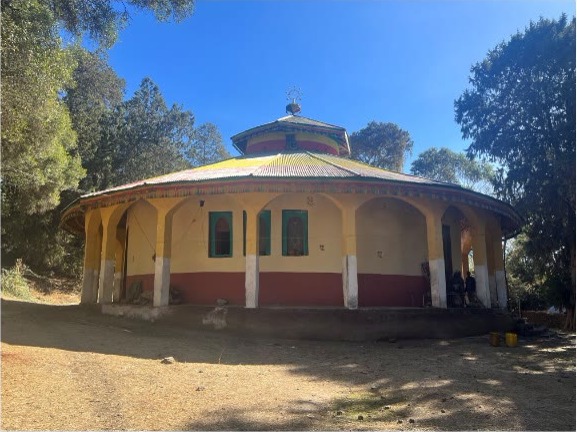
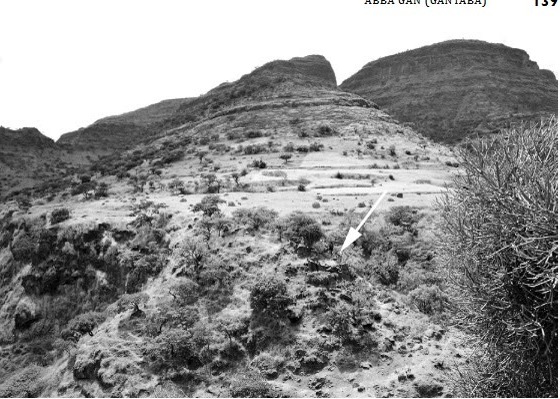
Bar Kribus is an archaeologist of Ethiopian antiquity and of the Beta Israel, the Ethiopian Jews. He is a researcher at the Goldstein-Goren Diaspora Research Center at Tel Aviv University and directs the research institute of the Ethiopian Jewry Heritage Center. Between 2015 and 2019 he led an archaeological survey of Beta Israel monasteries in the Səmen (Simien) Mountains, locating sites including Semien Menata, the last great Beta Israel monastery and the seat of their supreme monastic leadership.
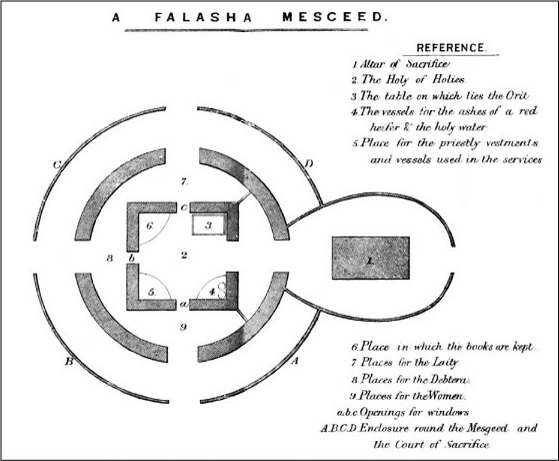
His book Ethiopian Jewish Ascetic Religious Communities (ARC Humanities Press, 2021) documents the circular stone prayer houses, the walled compounds with their gated ritual segregation for the ascetic high priests, the dwellings, cemeteries, and pilgrimage sites of a people who did something no other Jewish community is known to have done: developed a monastic order. The Dan David Prize honored Kribus for combining archaeology, fieldwork, and written and oral histories to explore the religious traditions of the Beta Israel and their place in the wider religious world of Ethiopia.
The heart of Kribus's work is a fact that stops people: the Beta Israel are the only Jewish community ever known to have built a monastic tradition, complete with ascetic high priests, walled monasteries, and rules of ritual seclusion, high in the Səmen Mountains of northern Ethiopia. It is a religious world most people, Jewish or otherwise, have never heard of, and one that came close to vanishing entirely.
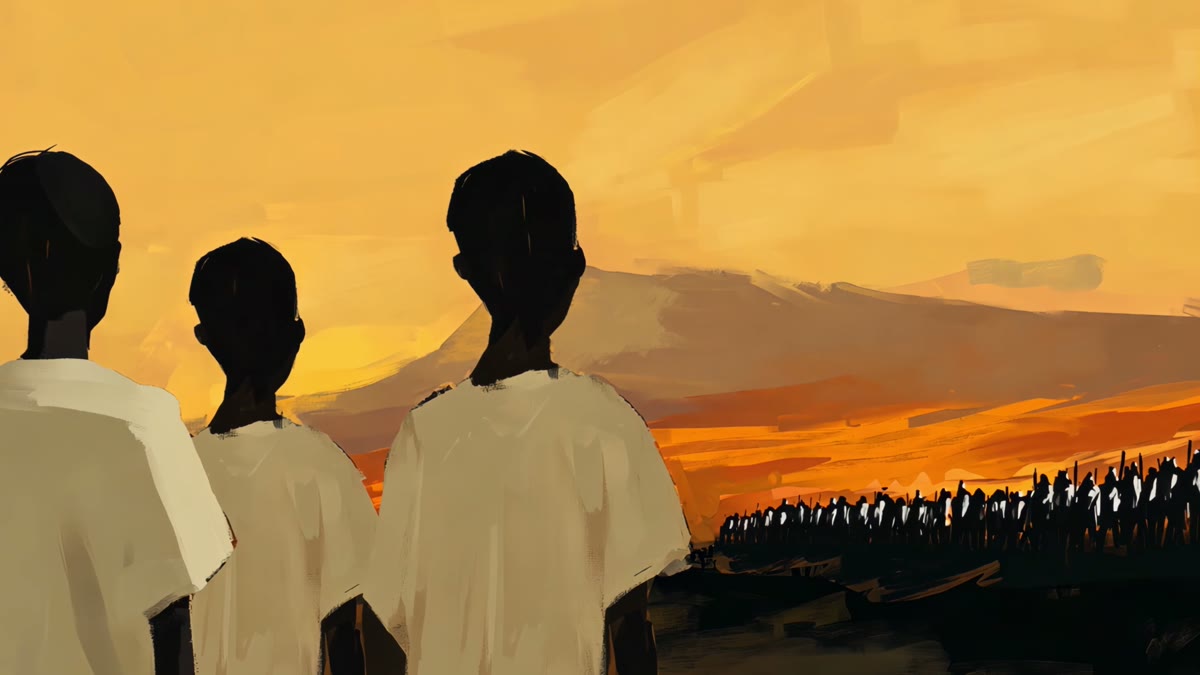
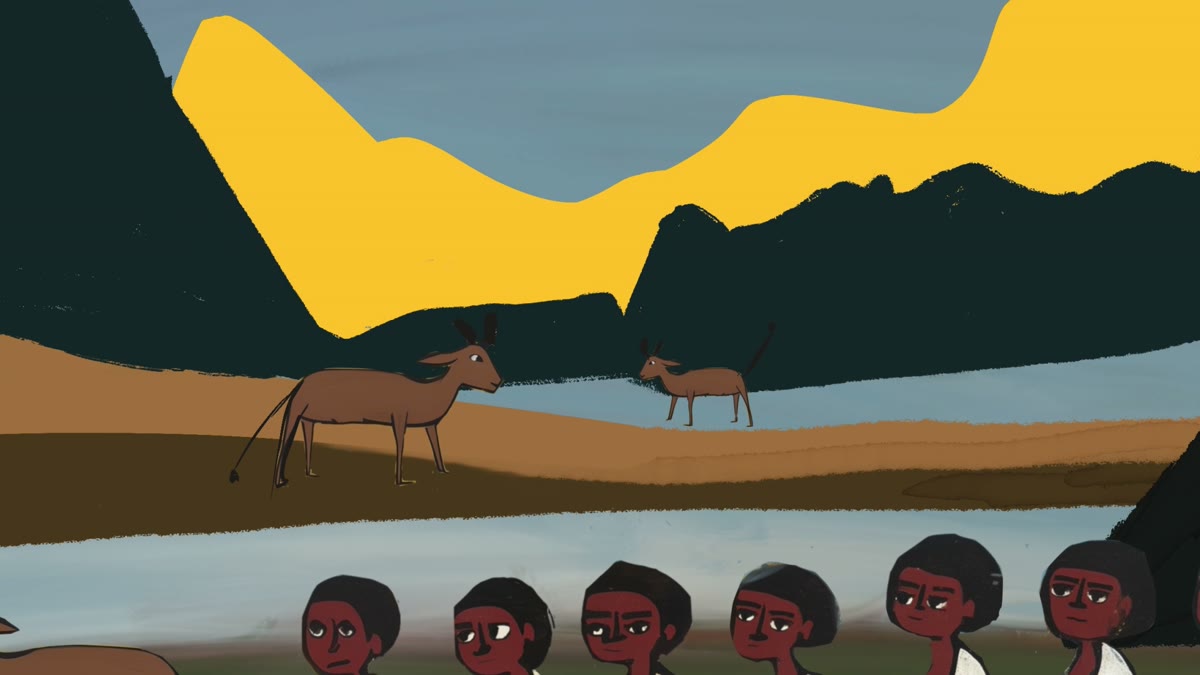
The film's task was to make that world visible and felt, not as an artifact but as a living faith in a landscape. We built it around the things Kribus recovered, the prayer house, the priest, the mountain refuge that preserved them, and around the people who carried the tradition, so that a viewer meets the Beta Israel not as a footnote to Jewish history but as its own centre, with its own monks, its own mountains, and its own long endurance.
Each year the Foundation selects its winners and, with the help of the laureate, chooses the subject of the film they are being honored for. The Foundation’s team, who know that work intimately, help bring it to the page, and we turn it into script, image, register, and motion.
The one thing we keep from them is the film itself. It is made in their honor but held back, so that the first time Bar Kribus meets it, in animated form, is the evening of the prize — the very moment they are being celebrated for the work it depicts. That is the part of the project we love: a film that is also a gift, a surprise, revealed in the room where it does its work.
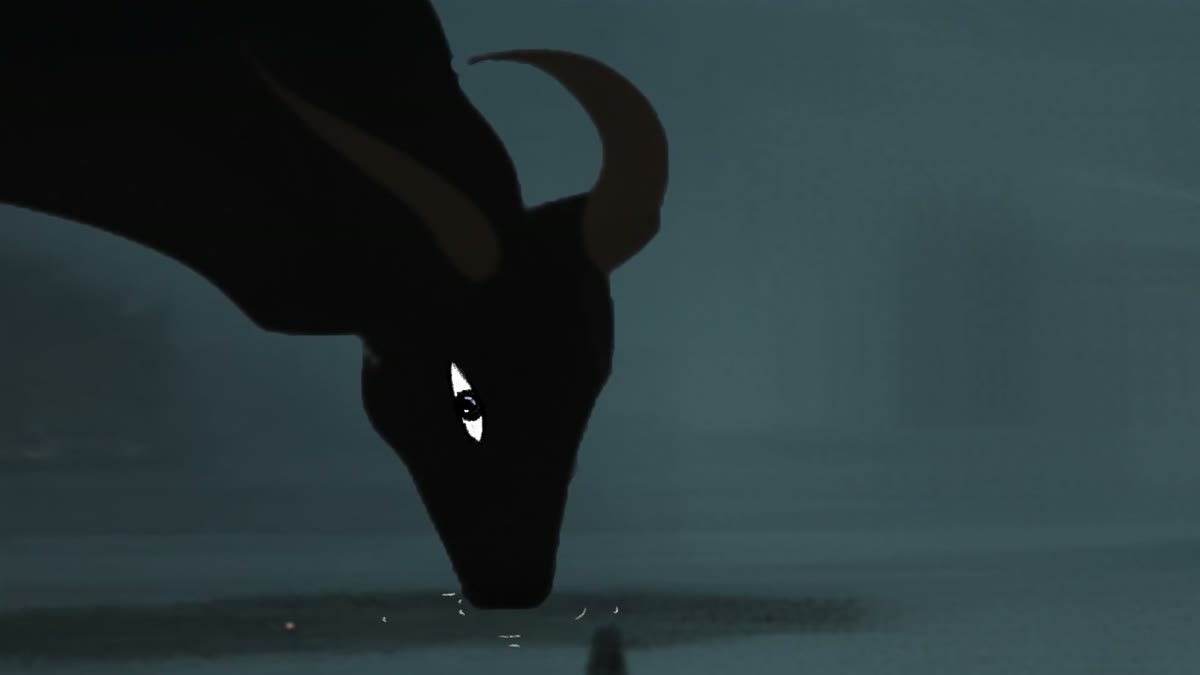
The Dan David films don't end their life on the evening of the prize. After the ceremony they travel to YouTube and to the Foundation's own website, where each one sits alongside the committee's reasoning for choosing the laureate and further material on the research. The winners are interviewed once the films are public, and those interviews are woven into the published versions. Several laureates carry the films further still, into their teaching, playing them for graduate seminars, public lectures, and visiting audiences as a way of explaining, in a few minutes, what they have spent careers on.
You care about your subject.
So do we.
Client: Dan David Foundation
Subject: Dr. Bar Kribus, Tel Aviv University & Ethiopian Jewry Heritage Center
Direction: Daniella Koffler
Animation: Moofa Animation Team
Year: 2025