Source material
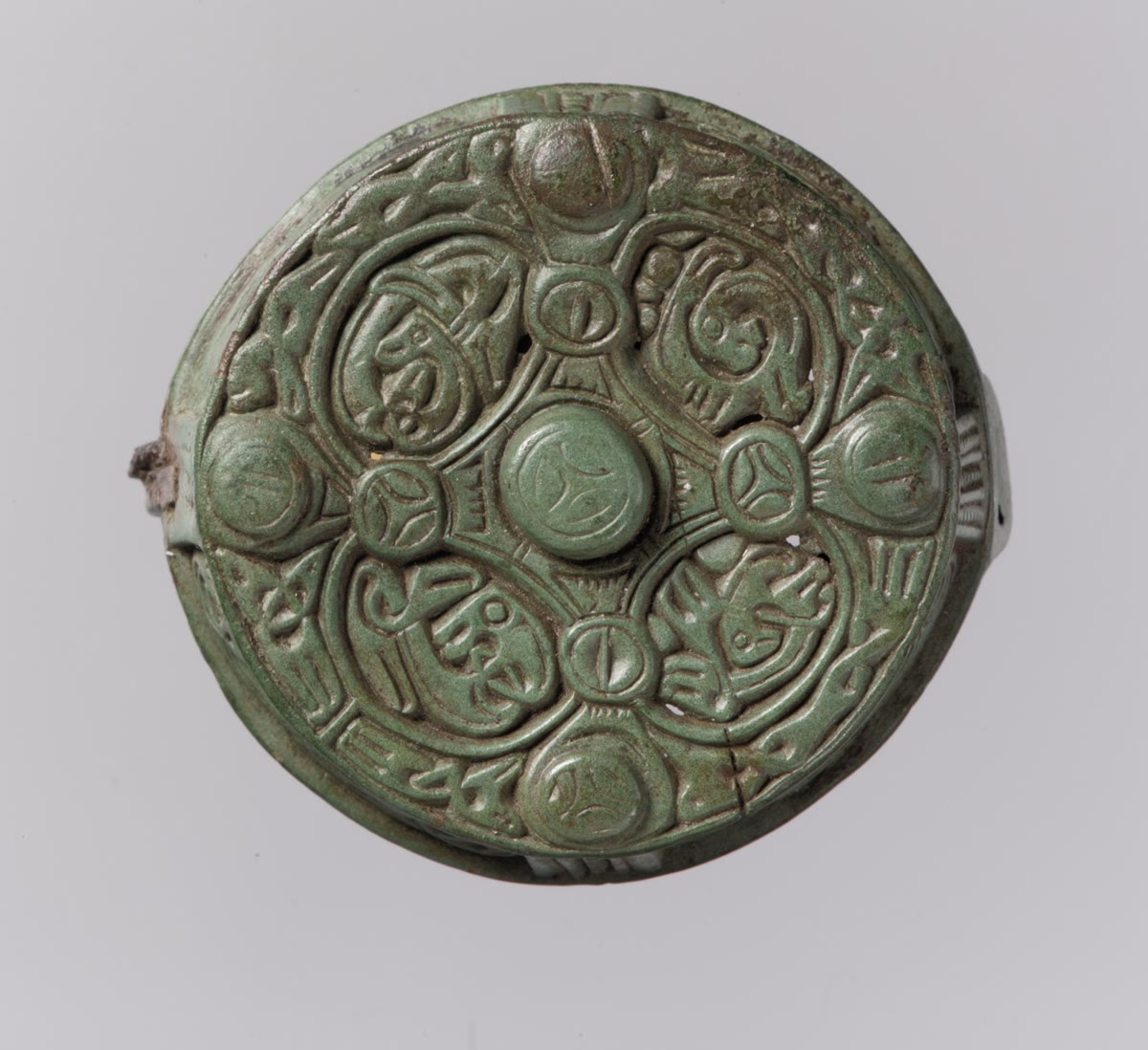
What we did with it
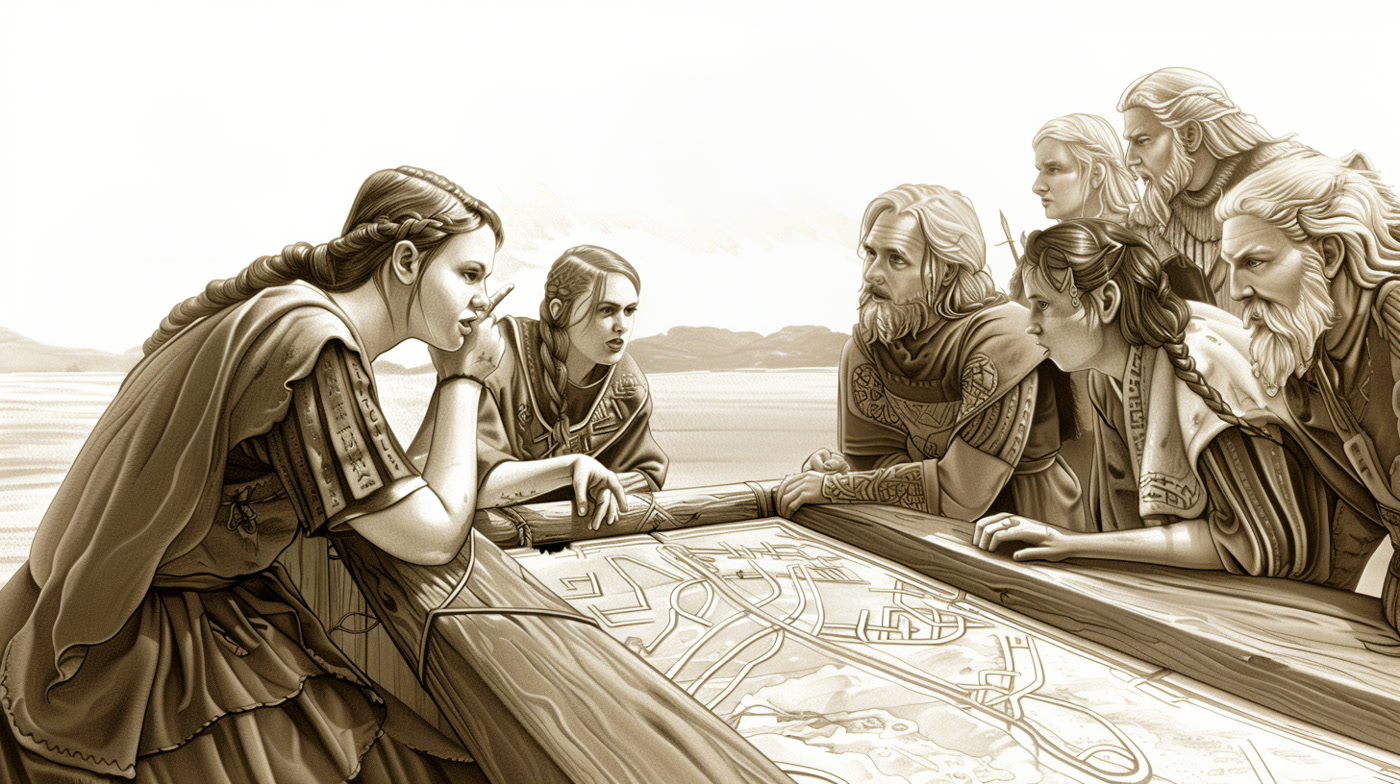
A two-and-a-half-minute tribute on a bioarchaeologist whose isotope work has redrawn the demographic map of the Viking world, showing that women travelled with the armies the chroniclers wrote about as men.
Cat Jarman is a bioarchaeologist. She trained at the University of Bristol, where she remains an Honorary Senior Research Associate, and is currently Senior Adviser for Academic Content Development at the Museum of Cultural History, University of Oslo, working on the Museum of the Viking Age project. Her question, across more than a decade of fieldwork, has been a quietly disruptive one: who actually moved in the Viking Age, and how do we know?
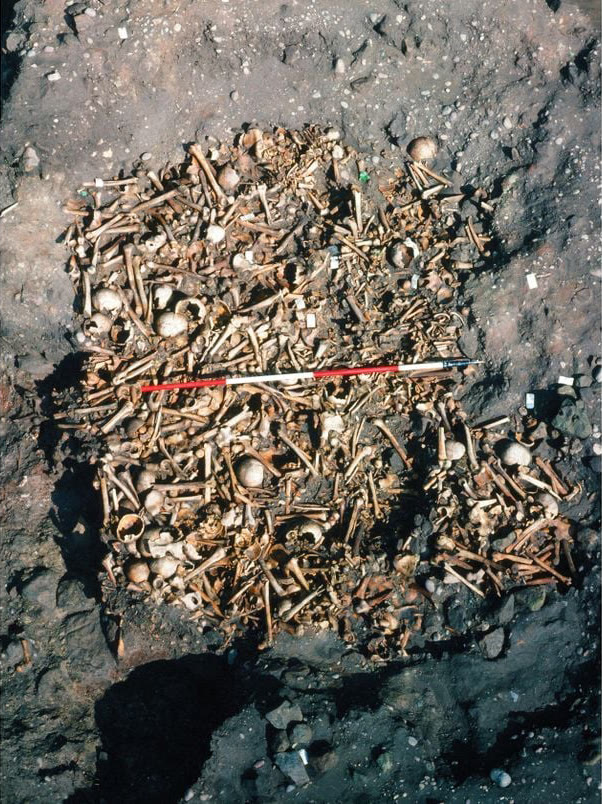
Her excavations and isotope work at Repton, in the heart of the Great Heathen Army's English winter camp, brought to light the demographic diversity of the buried, including women, among warriors long assumed to have been exclusively male. Her book River Kings: A New History of the Vikings from Scandinavia to the Silk Roads (William Collins, 2021) traces the Viking world outward as far as the Silk Roads, anchored in material the chronicles never recorded. The Dan David Prize honored Jarman for her work in the archaeology of the Viking Age and public archaeology — using forensic bioarchaeology to surface overlooked lives, women, children, and the enslaved, in the Viking-Age narrative.
Jarman's finding is that the women lying in Viking graves were not local wives or captives. Their isotopic and DNA signatures matched the men beside them. They had come from the same origins. They had made the same journey. They were part of the movement of Viking society, not the receiving end of it.
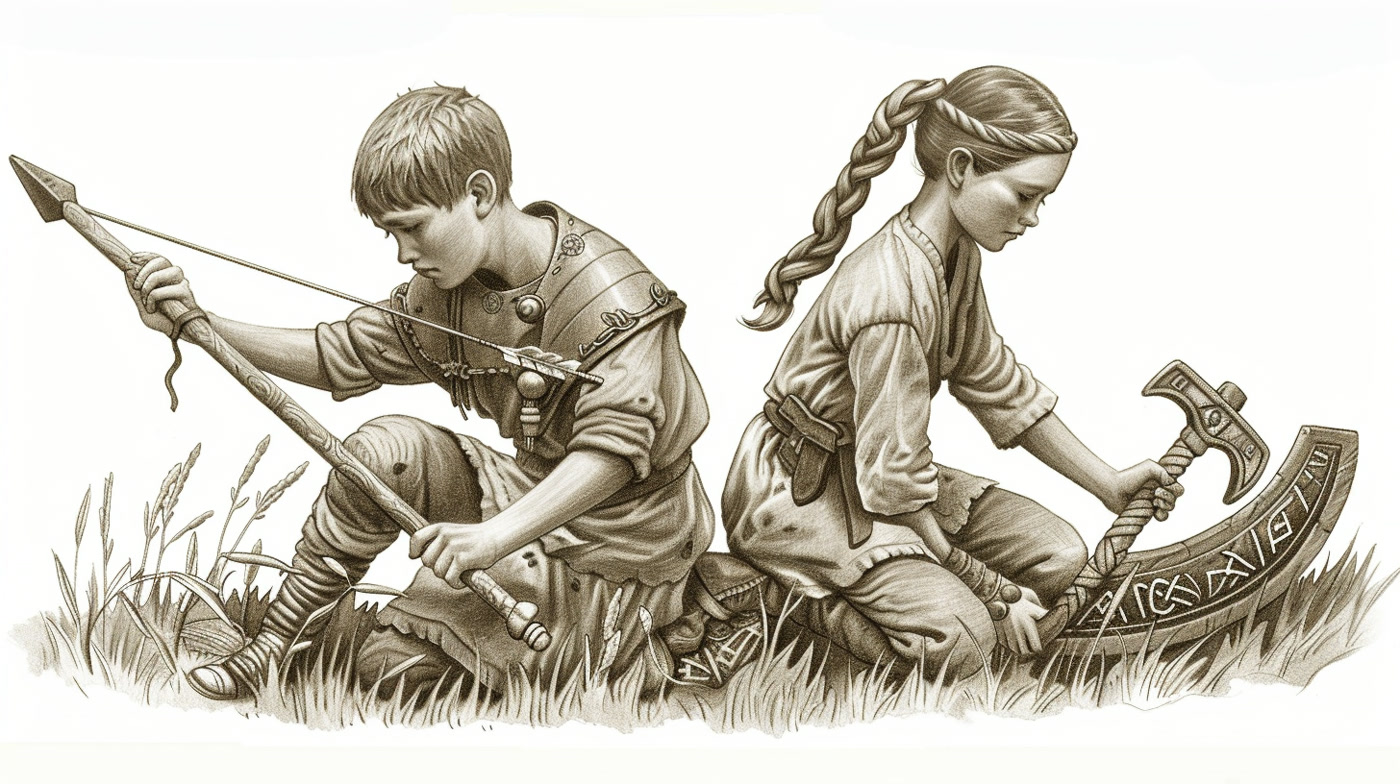
The film's task was to make that visible. Where the record had left a silence, women who had travelled and lived and died in the army without ever entering the chronicle, the film had to place them back into the frame. Not as accessories to the men beside them, but at the same scale, in the same light, doing the same work. Girls at the same training as boys. Women at the same table as men. Bodies in the same grave, given the same weight. That was the argument the film had to carry, without ever stating it as a claim.
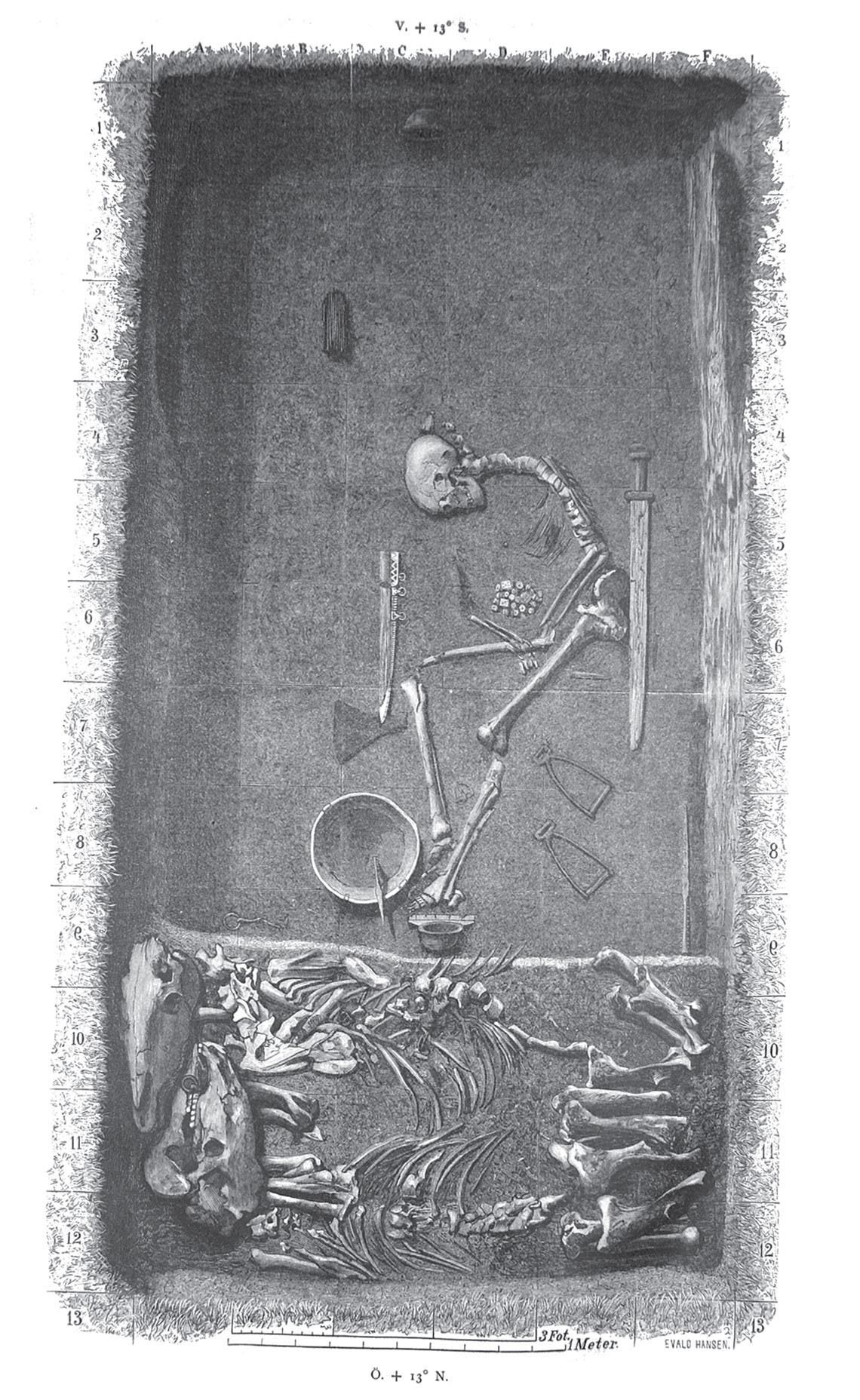
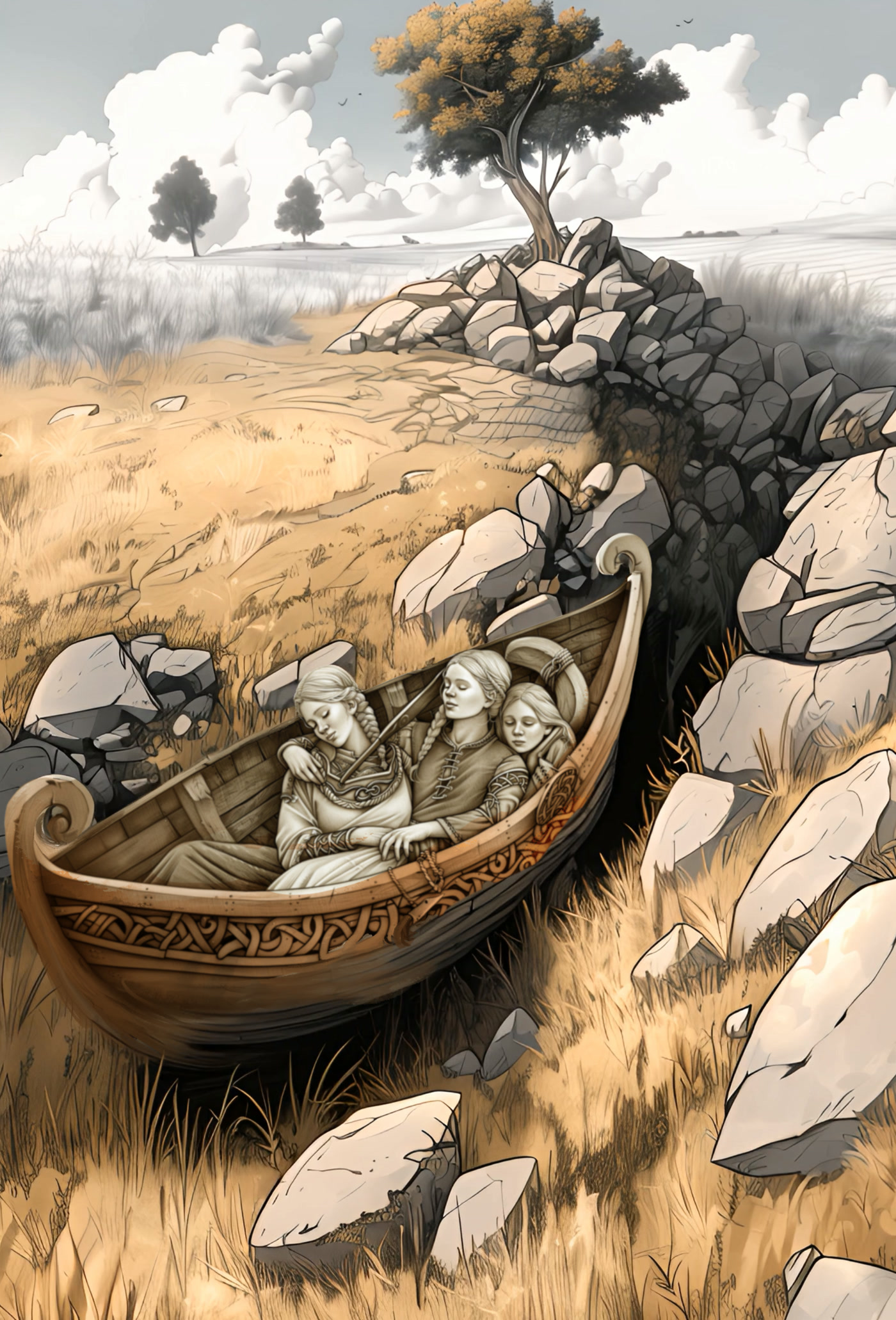
Each year the Foundation selects its winners and, with the help of the laureate, chooses the subject of the film they are being honored for. The Foundation’s team, who know that work intimately, help bring it to the page, and we turn it into script, image, register, and motion.
The one thing we keep from them is the film itself. It is made in their honor but held back, so that the first time Cat Jarman meets it, in animated form, is the evening of the prize — the very moment they are being celebrated for the work it depicts. That is the part of the project we love: a film that is also a gift, a surprise, revealed in the room where it does its work.
The Dan David films don't end their life on the evening of the prize. After the ceremony they travel to YouTube and to the Foundation's own website, where each one sits alongside the committee's reasoning for choosing the laureate and further material on the research. The winners are interviewed once the films are public, and those interviews are woven into the published versions. Several laureates carry the films further still, into their teaching, playing them for graduate seminars, public lectures, and visiting audiences as a way of explaining, in four minutes, what they have spent careers on.
You care about your subject.
So do we.
Client: Dan David Foundation
Subject: Dr. Cat Jarman, Museum of Cultural History, University of Oslo
Direction: Daniella Koffler
Animation: Moofa Animation Team
Year: 2024