The subject
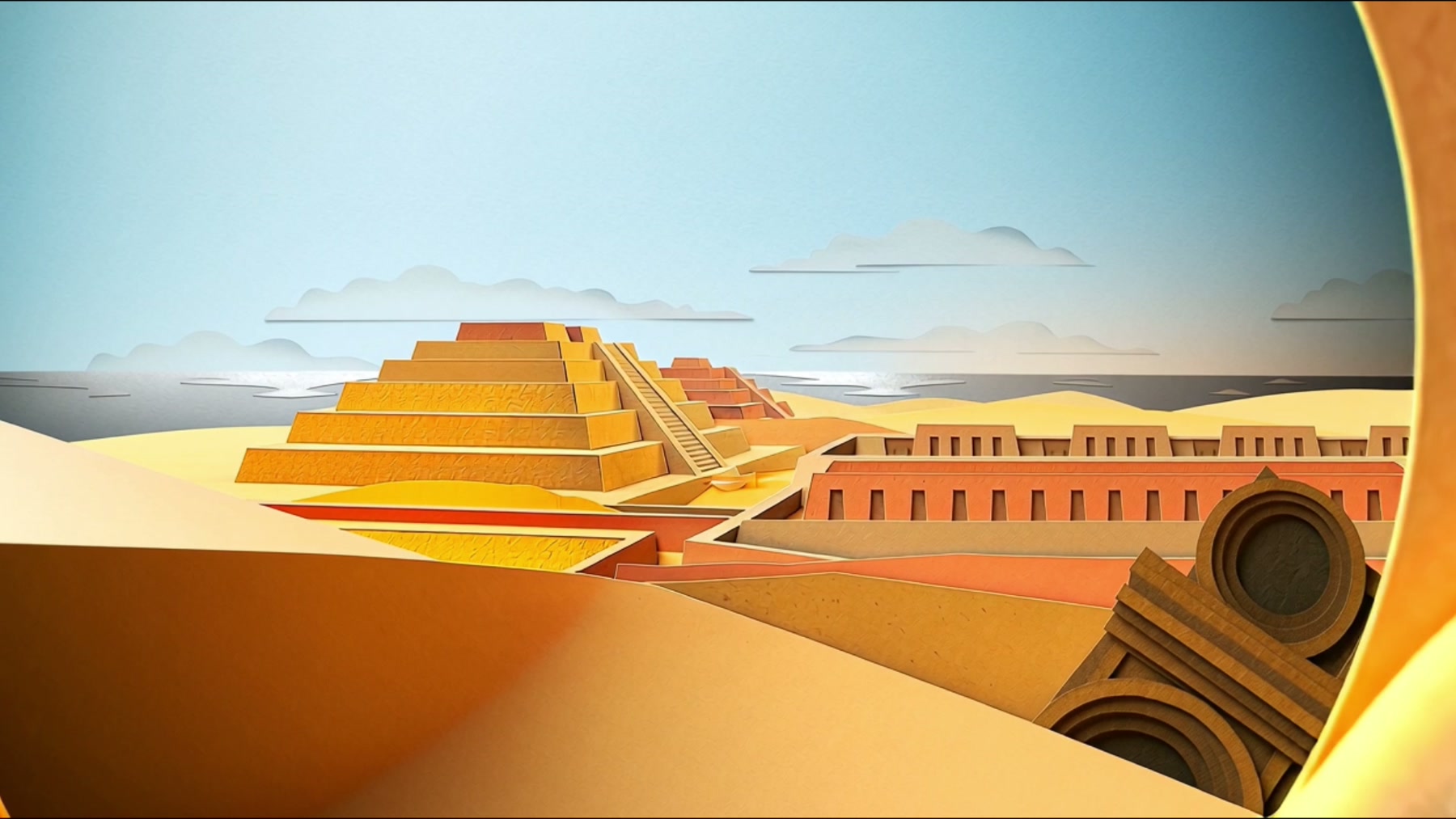
Archaeology usually arrives at a site from the outside. Specialists come in, the ground is fenced, findings leave in boxes, and the people who live beside the ruin are described in the report rather than consulted about it. Marcone’s work is about reversing that: designing heritage sites with the communities around them, and treating the pre-colonial and colonial landscapes as one continuous thing rather than two separate periods.
The Dan David Prize selection committee praised “Marcone’s transformative approach to archaeology that prioritizes the co-design of heritage sites with local stakeholders, and for scholarship that transcends typical chronological boundaries, revealing the deep continuities between the pre-colonial and colonial landscapes.”
Who is inside, and who is looking
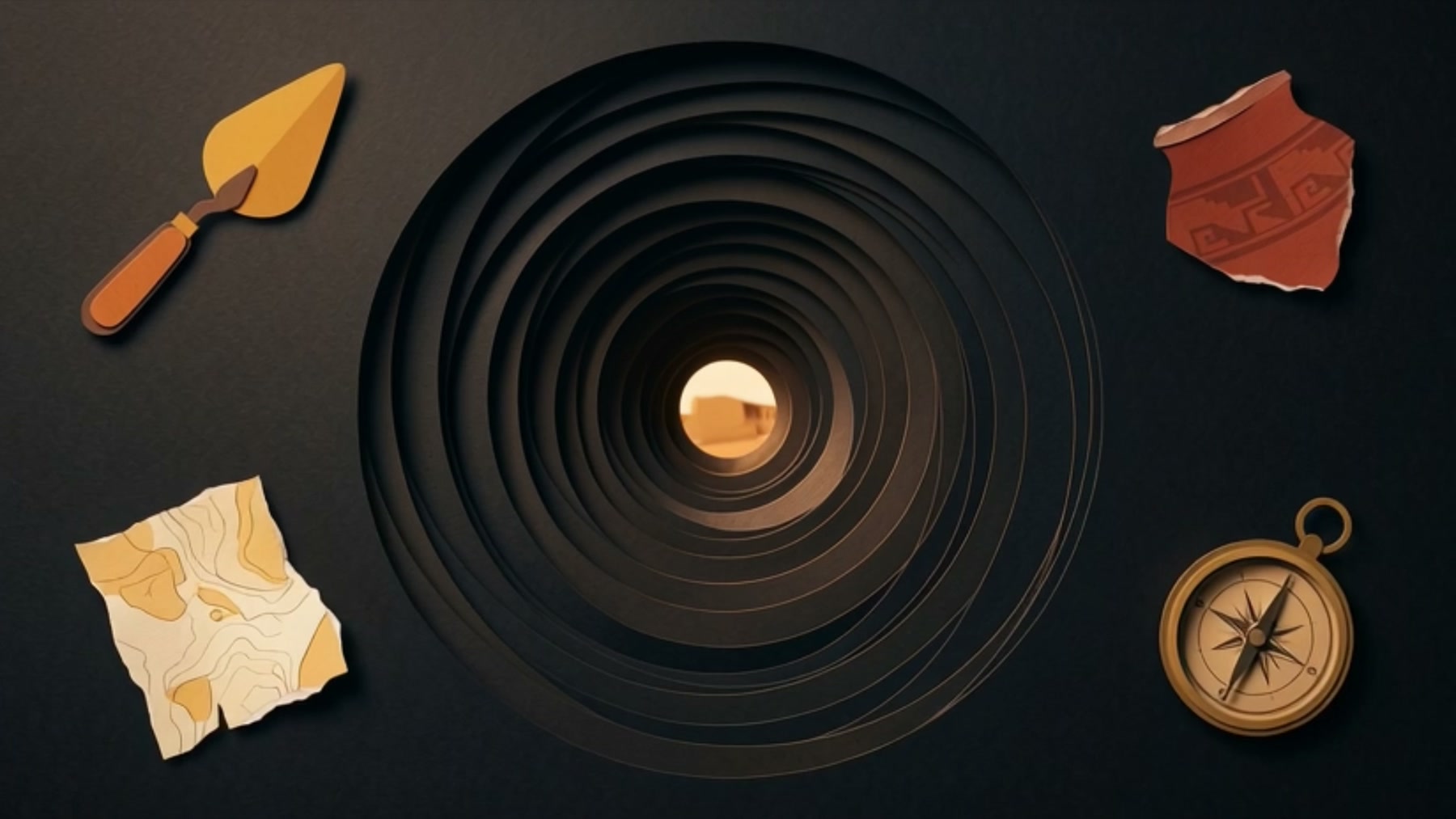
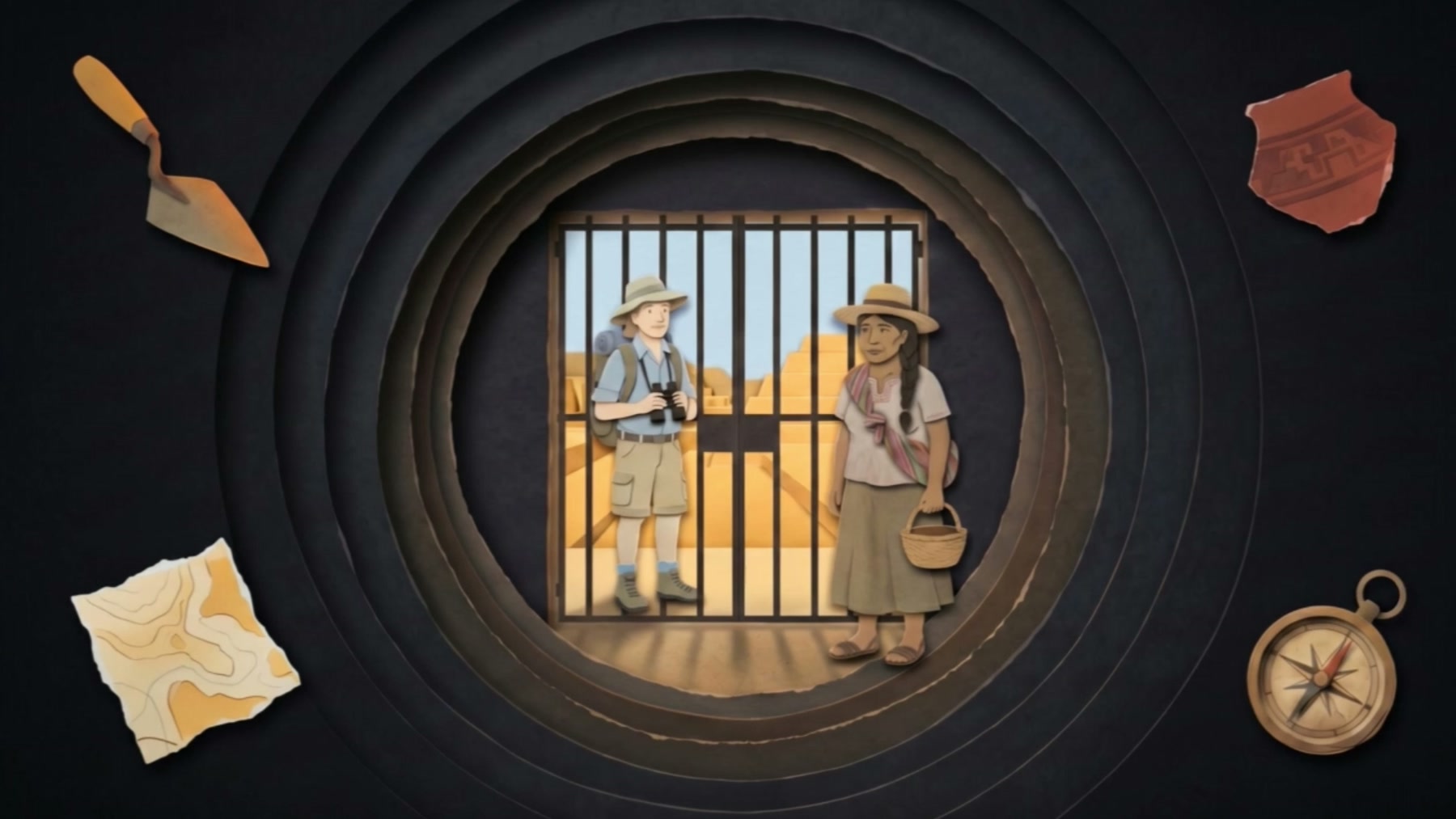
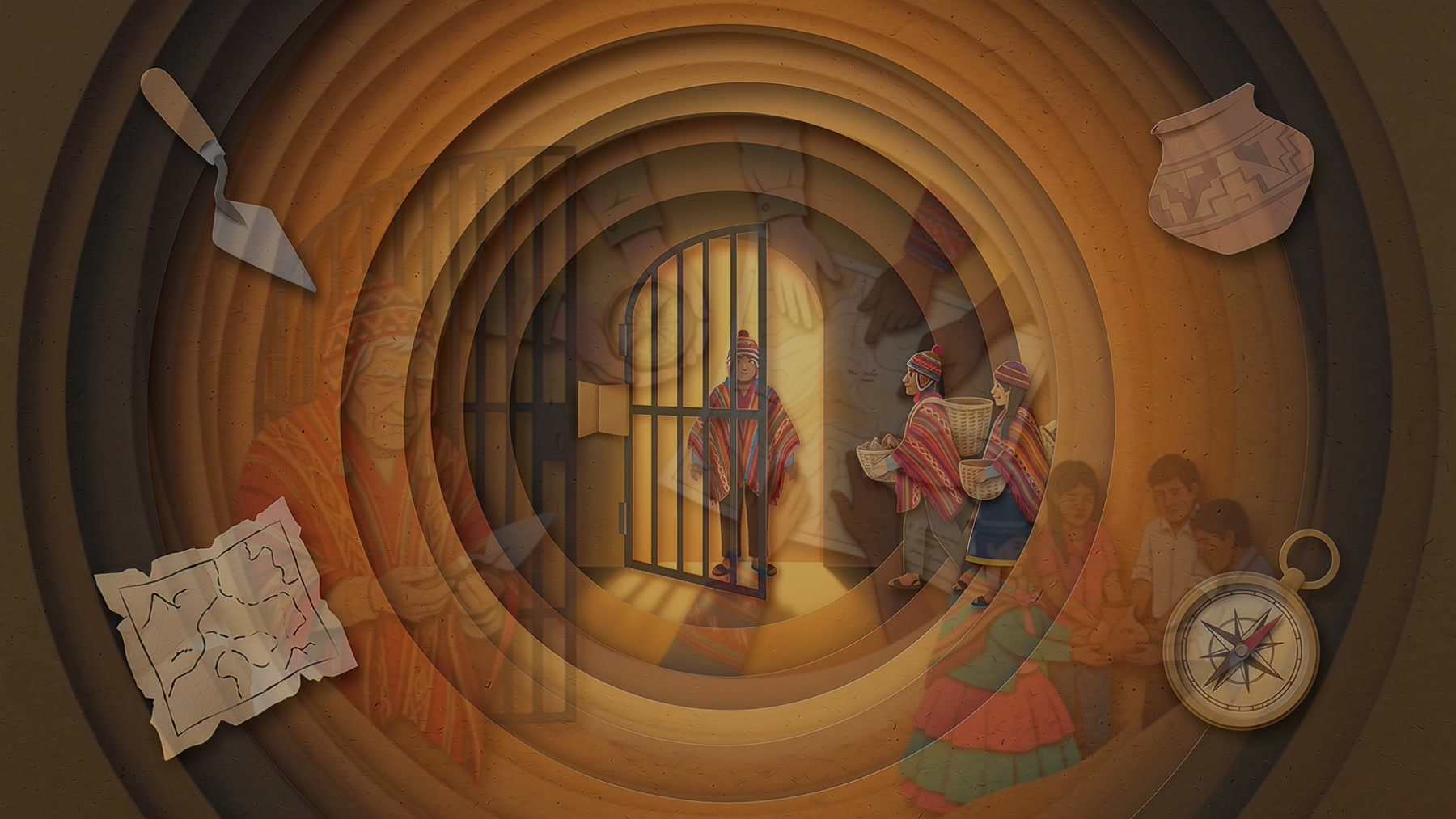
The film puts its argument in the shape of the frame rather than in narration. The tools of the discipline — trowel, sherd, map, compass — sit outside the circle, on the table, never inside the thing being looked at. And early on, what the rings reveal is a locked gate.
The aim drafted — for Daniella’s review
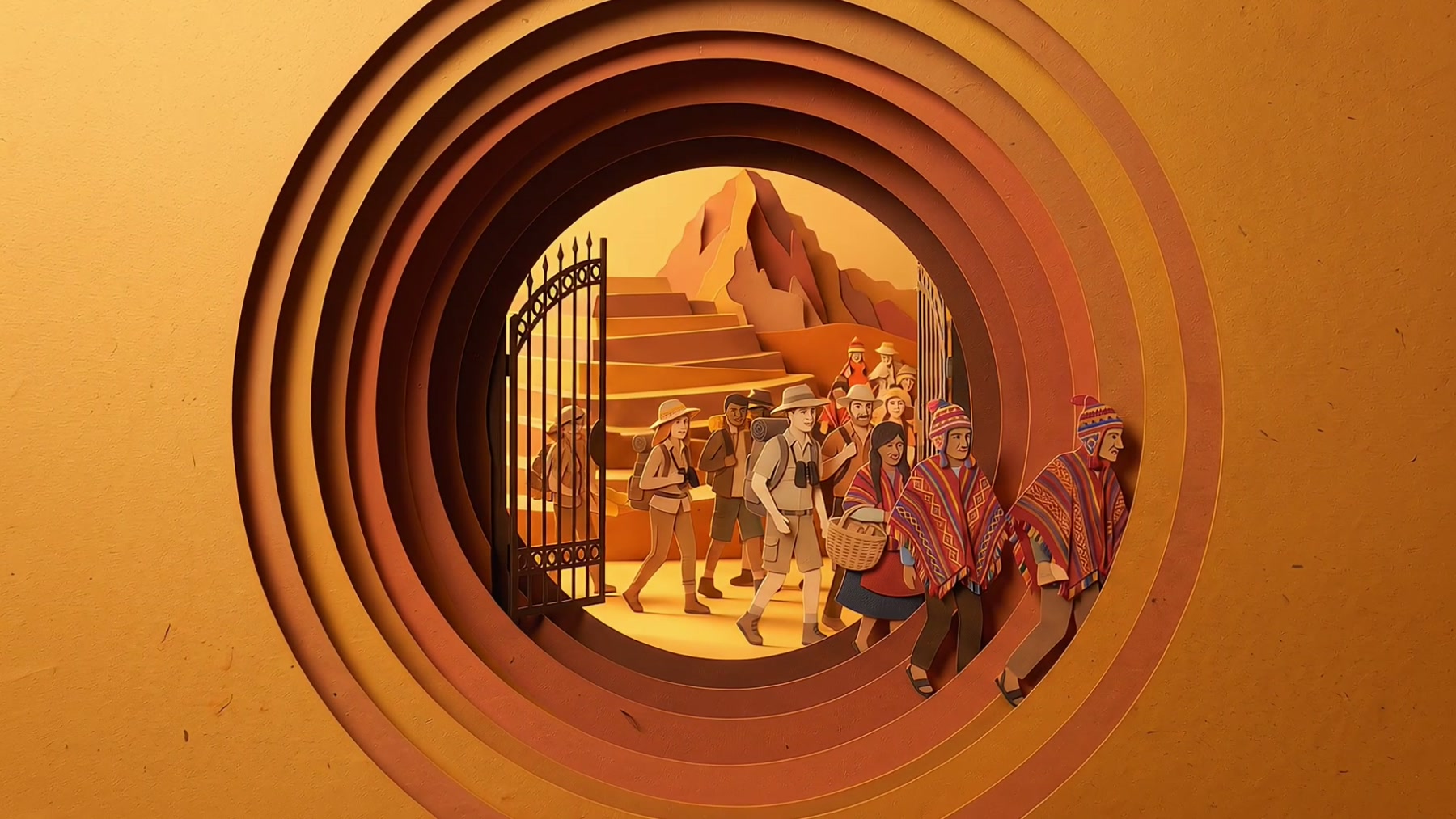
Co-design is an idea that resists illustration. Explain it and you get a diagram; dramatise it and you get a ceremony. So the film does neither. It takes the one image it has been using all along — a circular view controlled by a gate — and it opens the gate.
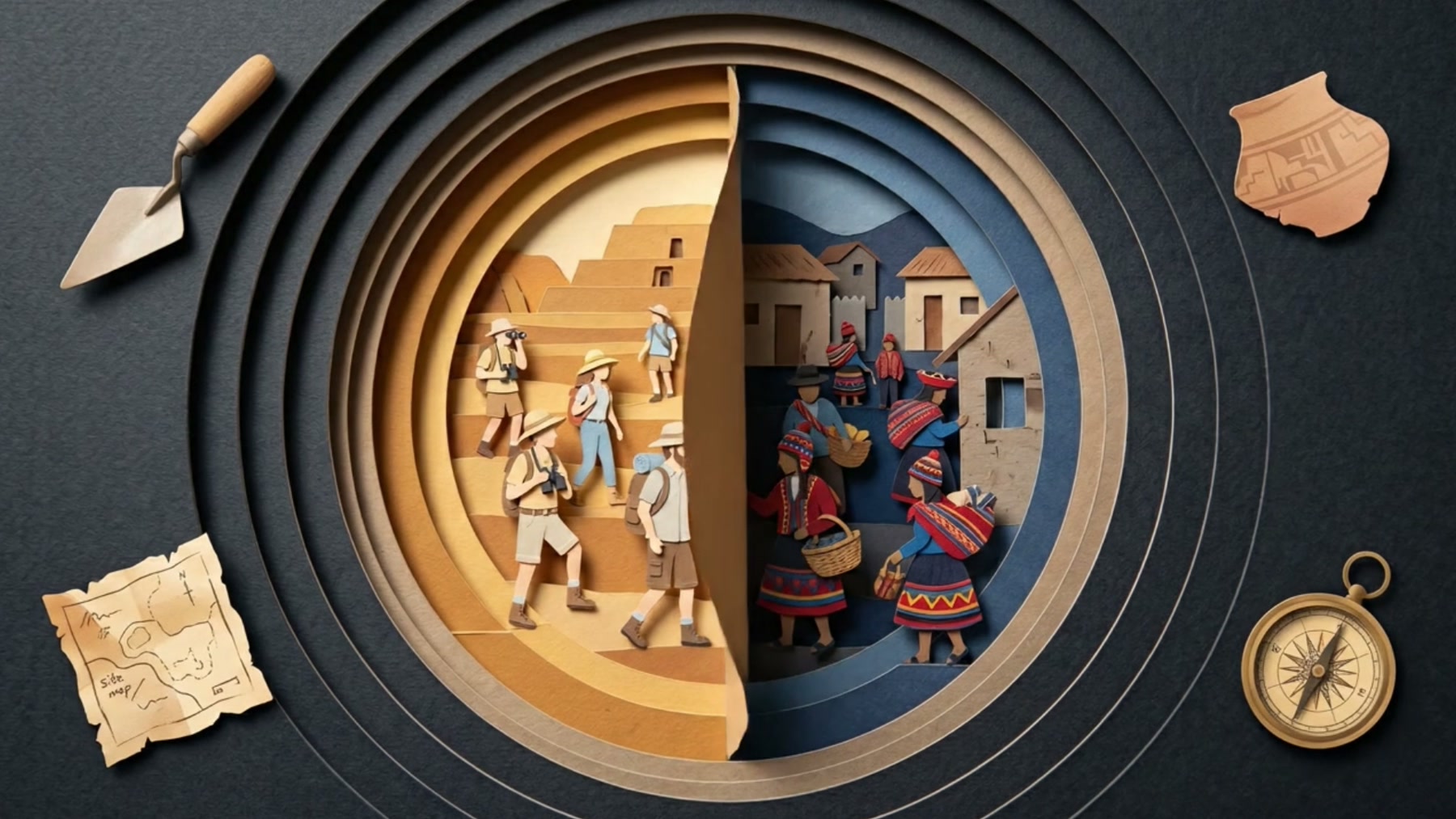
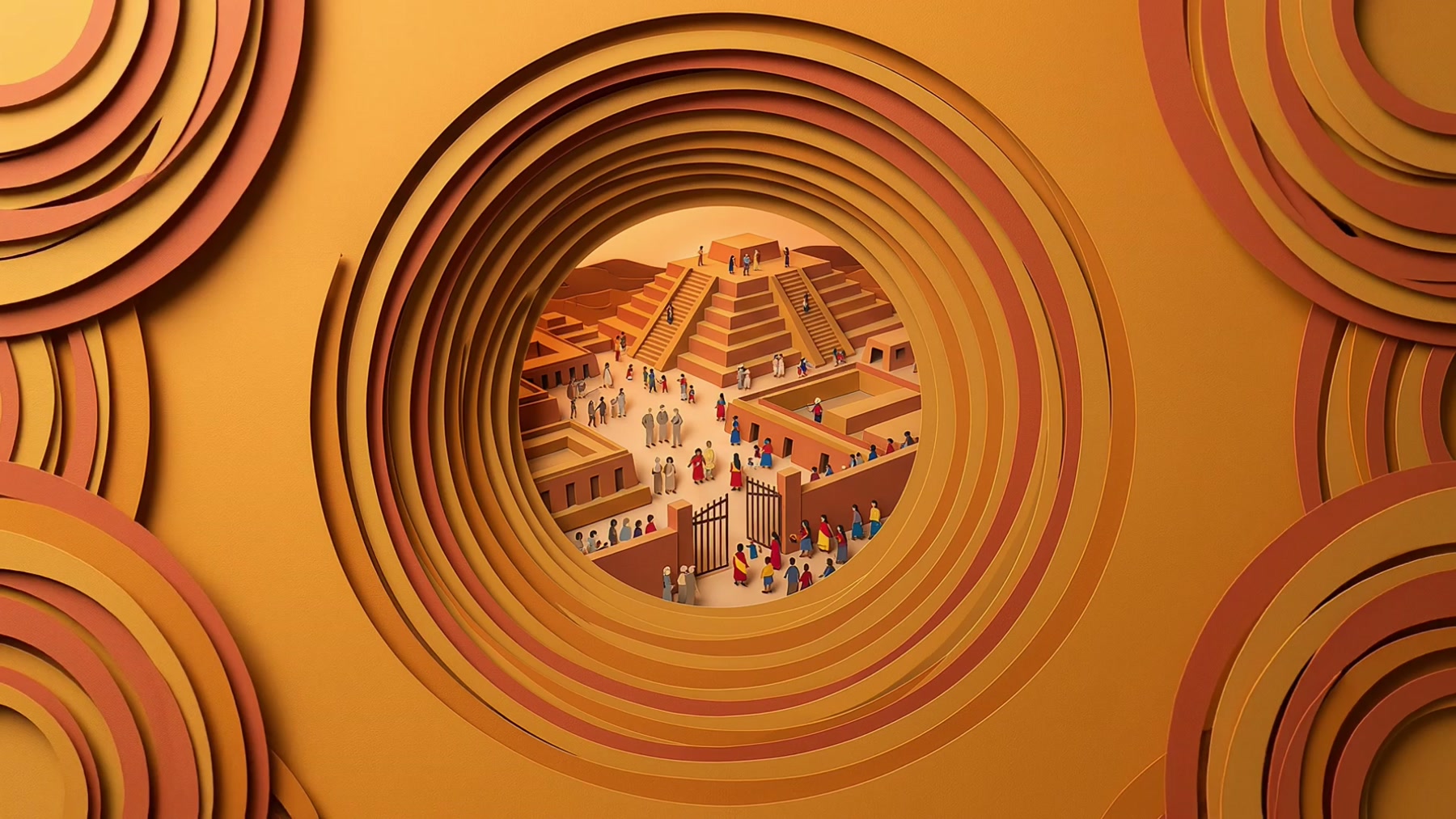
In the second half the hands change. A local hand takes hold of the map alongside the others. The figure in the red poncho moves from behind the bars to inside the frame. Then a whole crowd — musicians, women in bright skirts, families — comes through the gate and up onto the site, and the bars are simply gone. The last thing the rings show before they close is the monument full of people.
The detail we care about most: the community never appears as a subject of study. They appear as the people holding the map.
About the laureate
Giancarlo Marcone Flores is an archaeologist of the Peruvian central coast and Director of the Department of Humanities, Arts and Social Sciences at UTEC, the Universidad de Ingeniería y Tecnología in Lima. His research runs from late pre-Hispanic political and domestic economies and the lomas fog-oasis settlements of the Lurín valley to the way Inca infrastructure still shapes the roads in use today — alongside heritage work on participatory management with communities that are usually left out of it.
How the film is made
Each year the Foundation selects its winners and, with the help of the laureate, chooses the subject of the film they are being honored for. The Foundation’s team, who know that work intimately, help bring it to the page, and we turn it into script, image, register, and motion.
The one thing we keep from them is the film itself. It is made in their honor but held back, so that the first time Giancarlo Marcone meets it, in animated form, is the evening of the prize — the very moment they are being celebrated for the work it depicts. That is the part of the project we love: a film that is also a gift, a surprise, revealed in the room where it does its work.
Where the films travel
The Dan David films don’t end their life on the evening of the prize. After the ceremony they travel to YouTube and to the Foundation’s own website, where each one sits alongside the committee’s reasoning for choosing the laureate and further material on the research. The winners are interviewed once the films are public, and those interviews are woven into the published versions.
Credits
Client: Dan David Foundation
Subject: Giancarlo Marcone Flores, UTEC, Lima
Direction: Daniella Koffler
Animation: Moofa Animation Team
Year: 2026
← All work
Start a conversation →