Source material
What we did with it
A short tribute on a historian of science who reads the knowing of nature, the breeding of animals, the cataloguing of plants, the reckoning with giant bones, as a form of power exercised in parallel across the Aztec and European worlds, and fused after their collision.
Mackenzie Cooley is Associate Professor of History at Hamilton College, where she directs the program in Medieval and Renaissance Studies. Her book The Perfection of Nature: Animals, Breeding, and Race in the Renaissance (University of Chicago Press, 2022) traces how ideas of race and theories of inheritance took shape through animal breeding in the shadow of the Spanish Empire, drawing on Italian, Latin, Spanish, and Nahuatl sources.
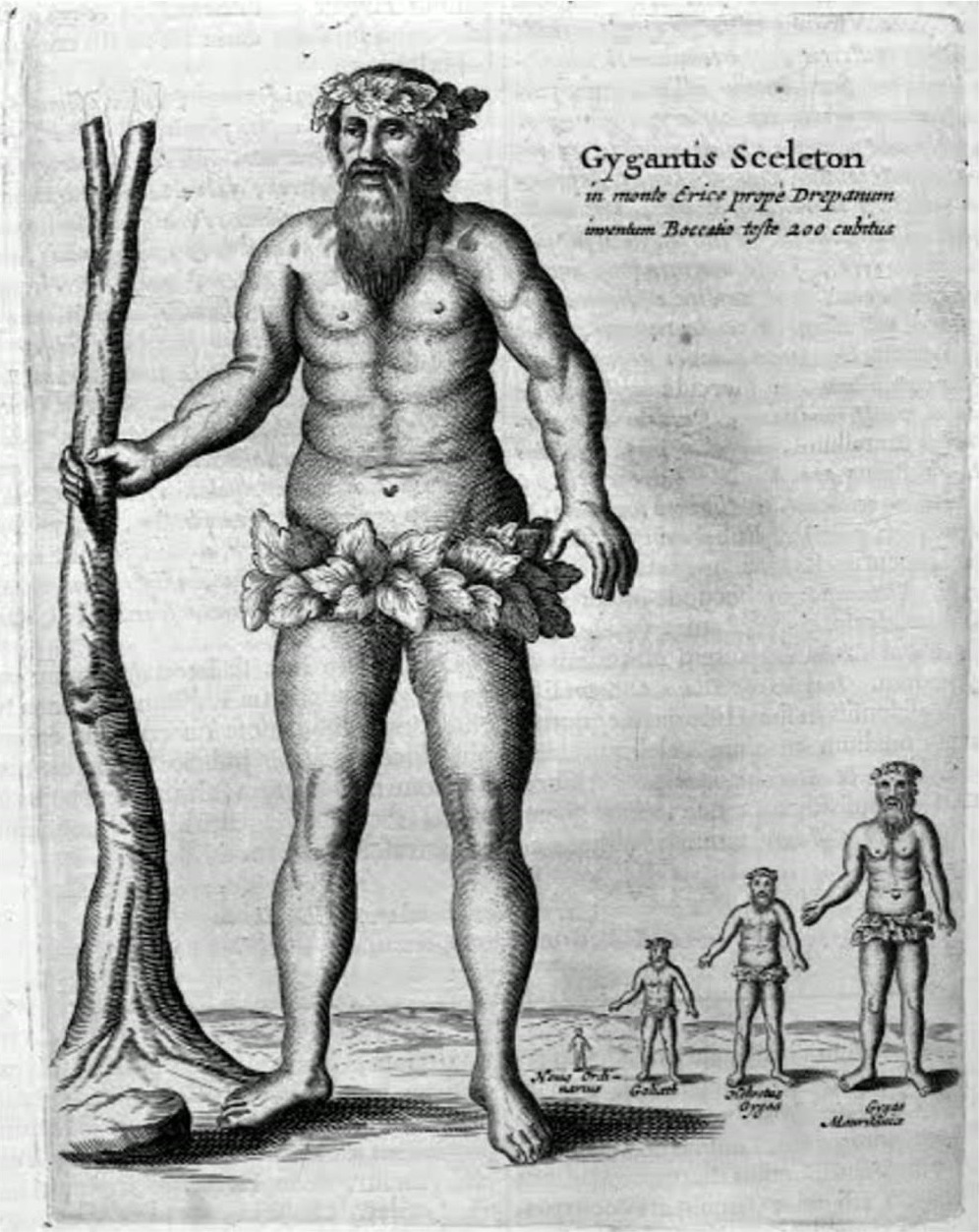
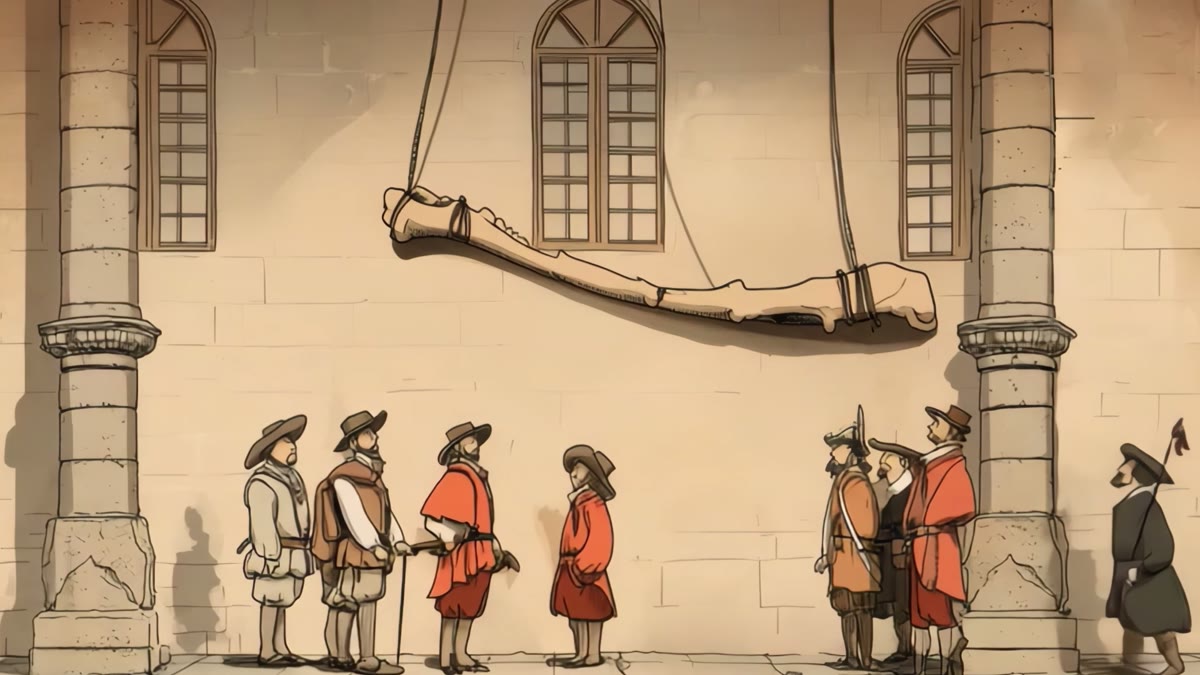
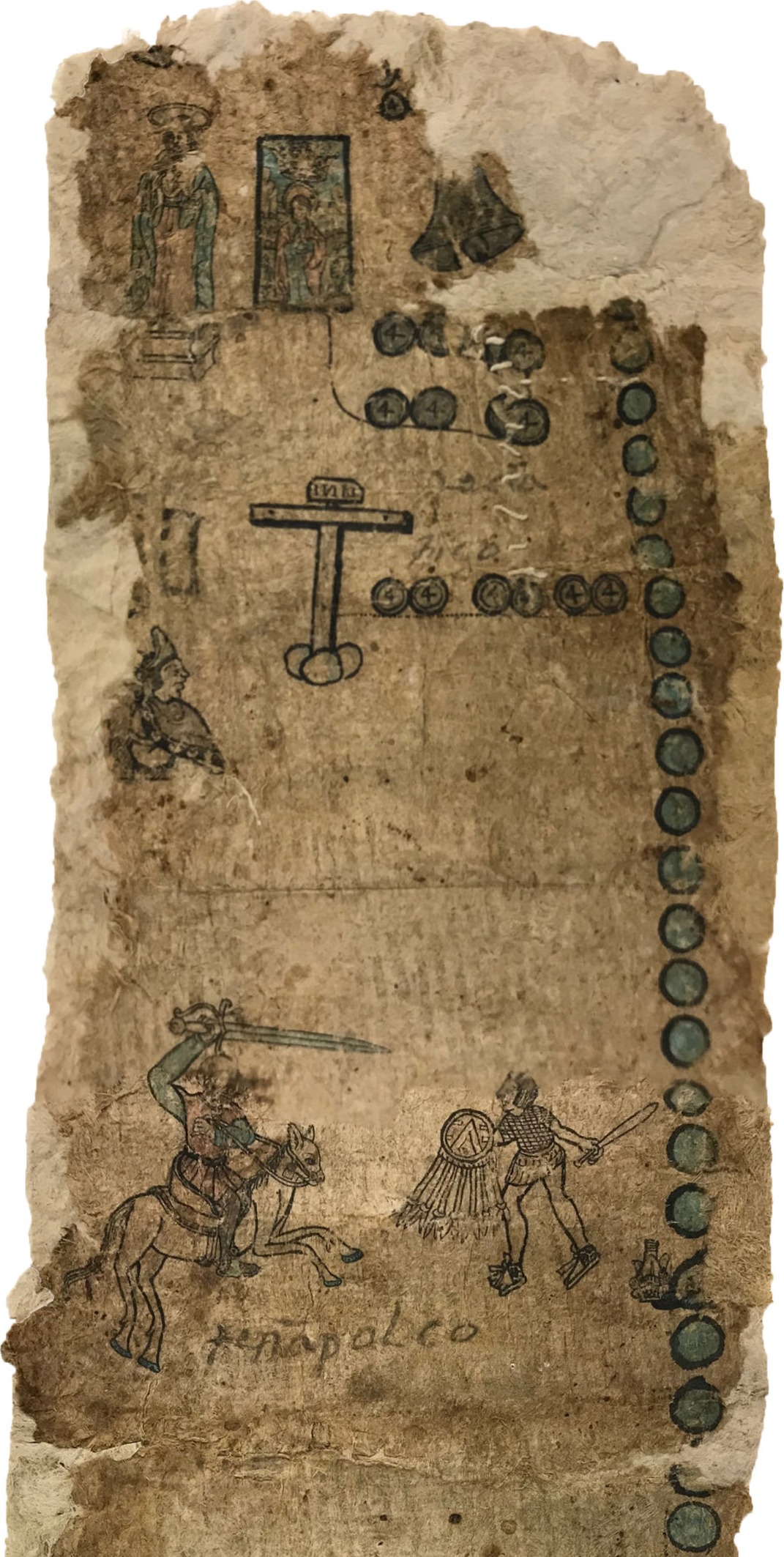
Her work reaches from the studbook to the giant's bone: her article "The Giant Remains" follows the enormous fossil bones unearthed across Mesoamerica, and the way thinkers on both sides of the conquest, Nahua and Spanish, used them to reason about the age of the earth. The Dan David Prize honored Cooley for the originality and ambition of her archival research across the former Spanish Empire, and for bringing indigenous languages and knowledge systems into the history of European science.
Cooley's argument is that knowing nature, classifying animals, breeding them, cataloguing plants, explaining giant bones, was a form of power, and that it was practised in parallel in the Aztec world and in Renaissance Europe long before the two met. When they did collide, in the conquest and in New Spain, those two ways of knowing the natural world did not simply replace one another. They fused, contested, and syncretised.
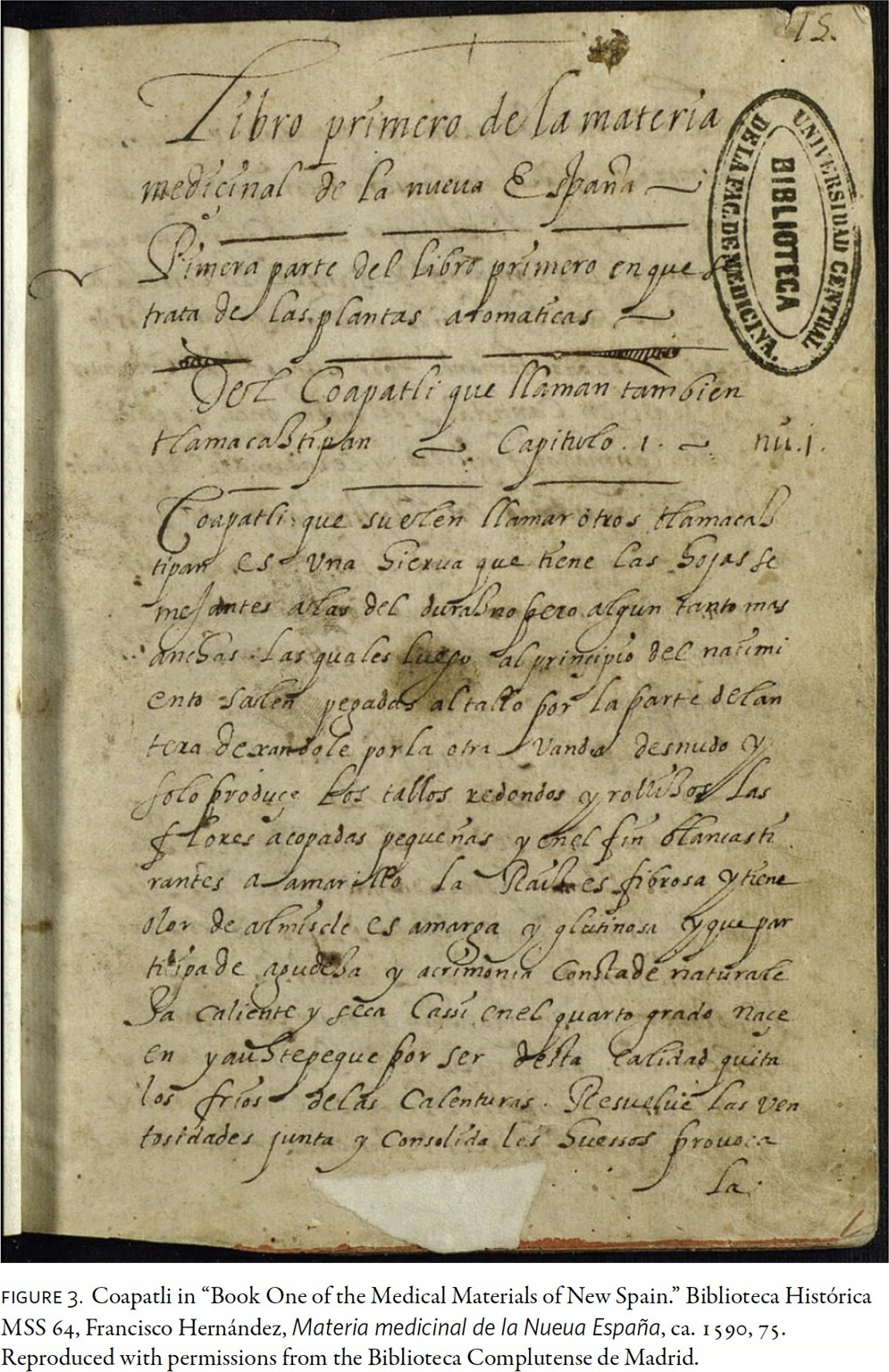
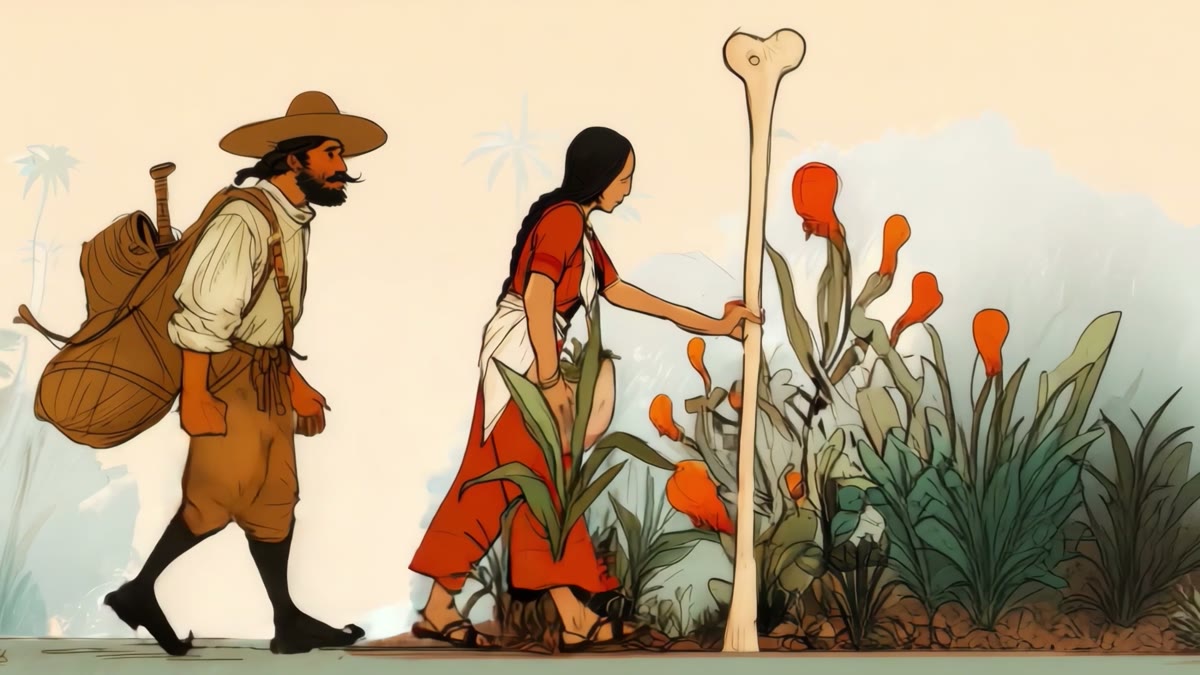
The film's task was to hold both knowledge cultures in the same frame, and to find the images where they touch: the giant bone that both Nahua and Spanish thinkers had to account for; the naturalist and the Nahua woman reading the same plant; the codex and the printed book describing the same world in different hands. We wanted the viewer to feel that the history of science is not a European story that arrived in the Americas, but a meeting of two sciences, each already ancient.
Each year the Foundation selects its winners and, with the help of the laureate, chooses the subject of the film they are being honored for. The Foundation’s team, who know that work intimately, help bring it to the page, and we turn it into script, image, register, and motion.
The one thing we keep from them is the film itself. It is made in their honor but held back, so that the first time Mackenzie Cooley meets it, in animated form, is the evening of the prize — the very moment they are being celebrated for the work it depicts. That is the part of the project we love: a film that is also a gift, a surprise, revealed in the room where it does its work.
The Dan David films don't end their life on the evening of the prize. After the ceremony they travel to YouTube and to the Foundation's own website, where each one sits alongside the committee's reasoning for choosing the laureate and further material on the research. The winners are interviewed once the films are public, and those interviews are woven into the published versions. Several laureates carry the films further still, into their teaching, playing them for graduate seminars, public lectures, and visiting audiences as a way of explaining, in a few minutes, what they have spent careers on.
You care about your subject.
So do we.
Client: Dan David Foundation
Subject: Prof. Mackenzie Cooley, Hamilton College
Direction: Daniella Koffler
Animation: Moofa Animation Team
Year: 2025