Source material
What we did with it
A two-and-a-half-minute tribute on an art historian whose scholarship has recovered a lost material theology, the bolsas de mandinga worn against the body across the Portuguese Atlantic, and reintroduced the strength it carried to the room where its story is being told.
Cécile Fromont is Professor of History of Art and Architecture at Harvard University, and the first Faculty Director of the Cooper Gallery of African & African American Art at the Hutchins Center. Her question, across two decades of scholarship, has been how material culture makes religion visible, and how it survives an archive built to destroy it.
Her book The Art of Conversion (UNC Press, 2014) argued that the Christianity practiced in Kongo from the sixteenth century was not a copy of European Christianity but a tradition Kongolese makers built, in their own materials and forms. The Dan David Prize honored Fromont as an art historian of early modern Africa, Europe, and Latin America, "with a special emphasis on the aesthetic connections between Europe and Africa, as created and sustained by the Atlantic slave trade."
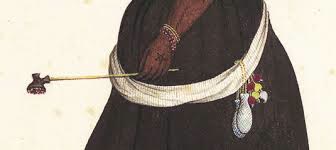
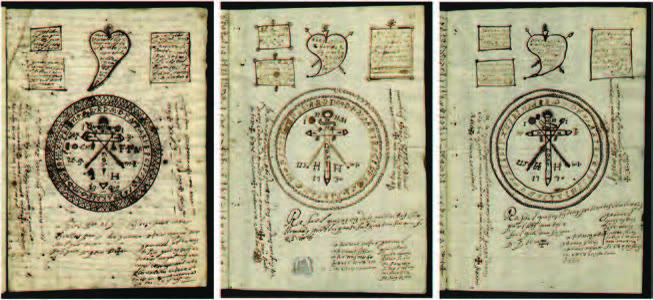
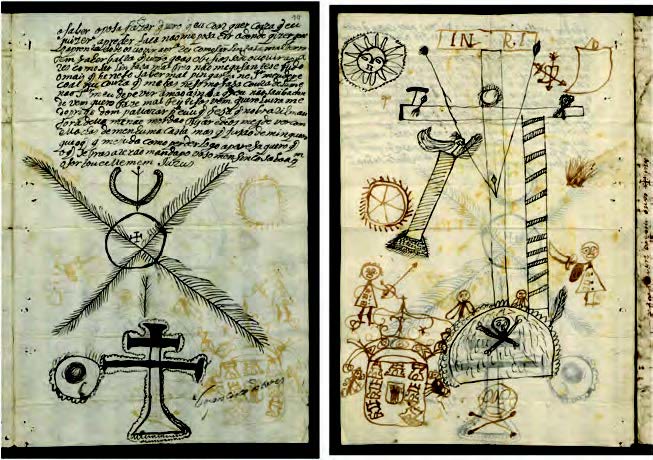
Fromont's argument is that physical objects give rise to the stories told about them centuries later, and that a story about religion is inseparable from the object at its centre. When we came to make the film, we discovered that we did not know what one of those objects looked like. The bolsa de mandinga was almost entirely unfamiliar to us. It is almost entirely unfamiliar to most viewers. We had to ask the Foundation to ask Fromont directly for visual reference.
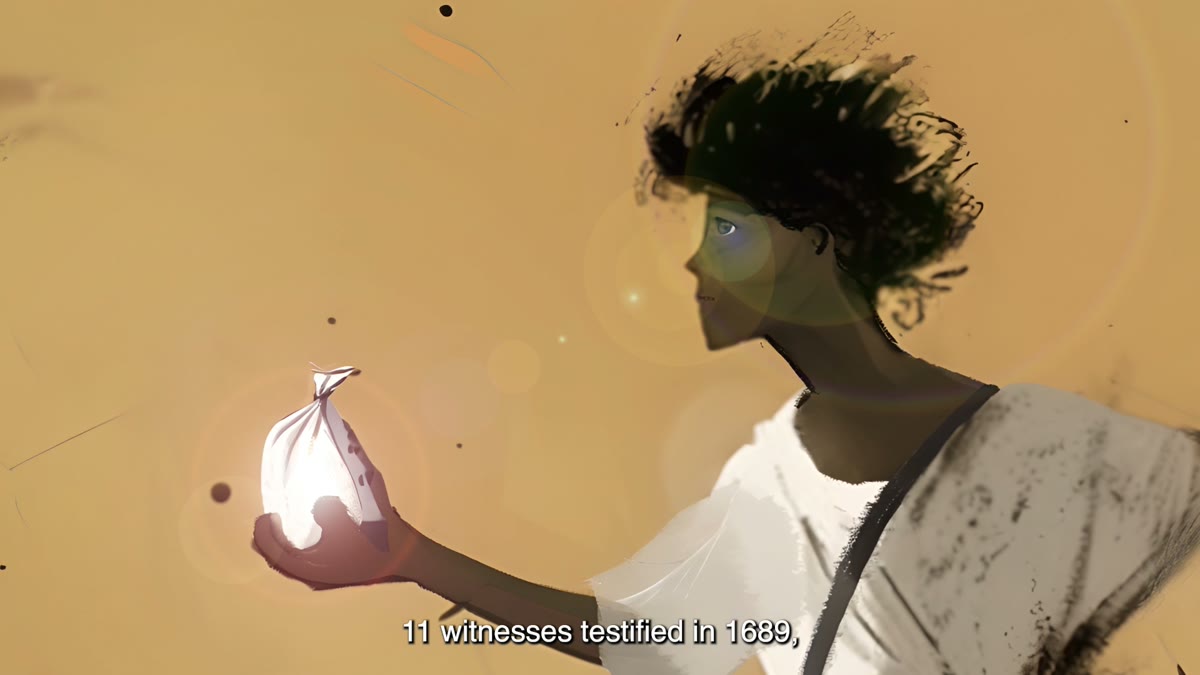
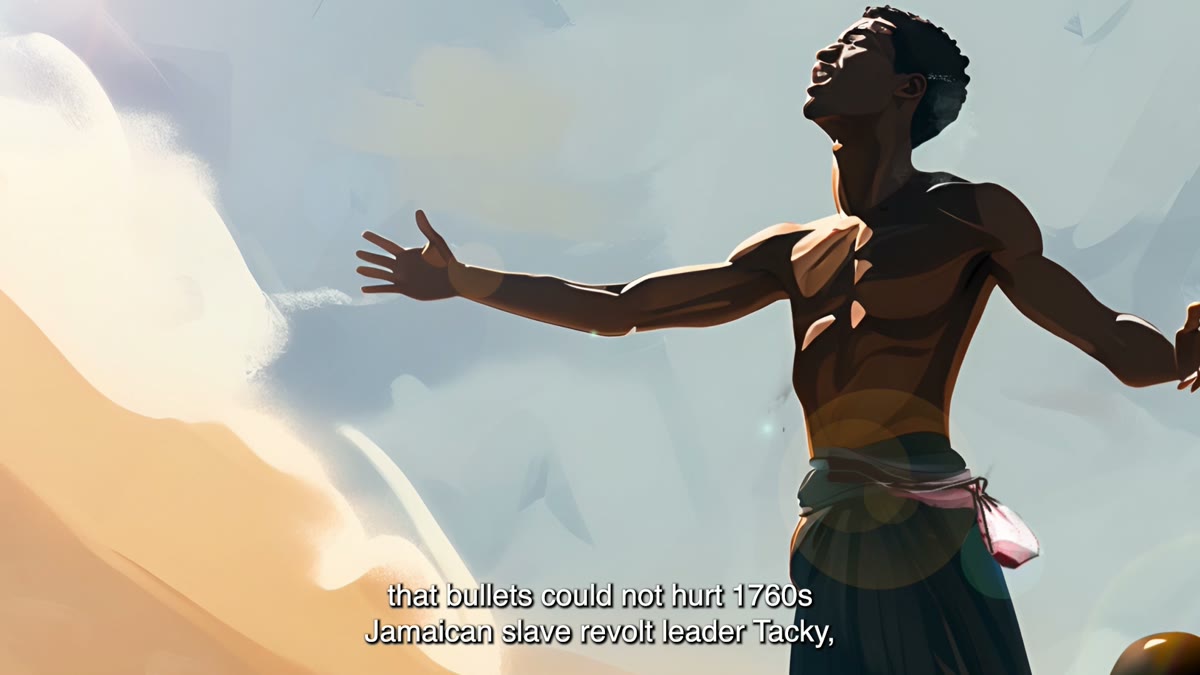
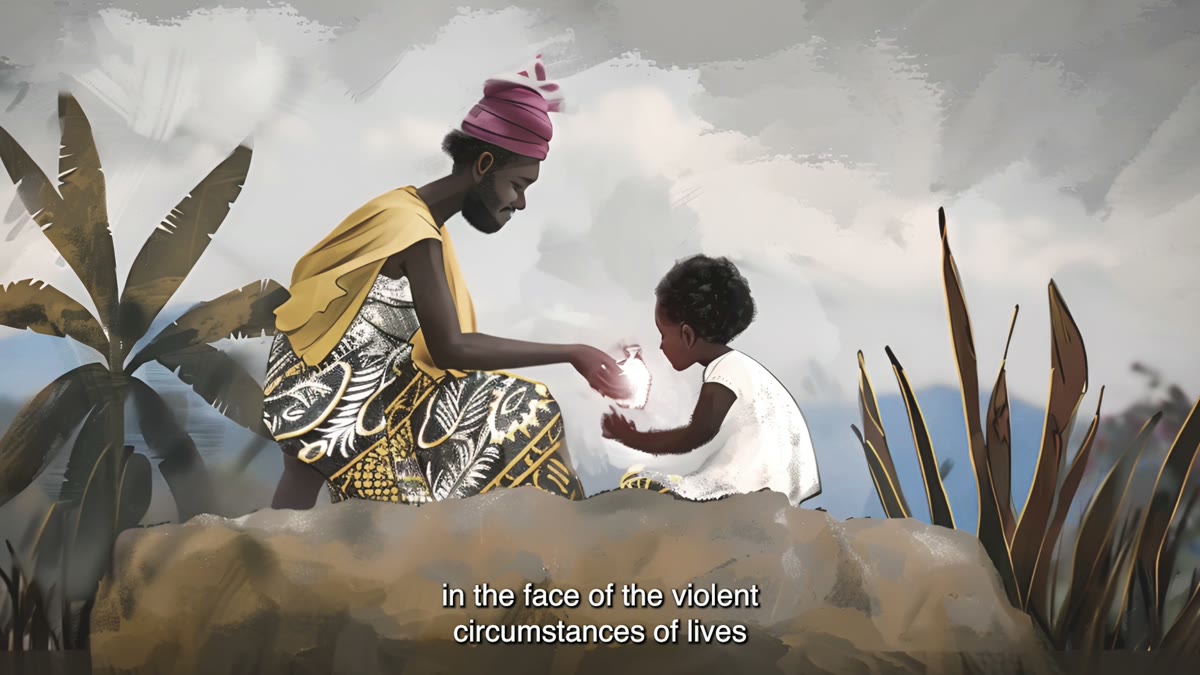
The film's task became the small, careful one of showing what the bolsa was. Then of showing what people believed it could do, make its wearer invulnerable to bullets, blades, and detection, and in the same visual gesture, showing what those beliefs made possible: rebellions, escapes, the ordinary miracle of a person surviving what statistically ought to have killed them. Belief-objects have material weight. The film's obligation was to give the viewer the felt sense of holding one, and of understanding why it mattered enough to hide inside the binding of one's own trial papers rather than lose.
Each year the Foundation selects its winners and, with the help of the laureate, chooses the subject of the film they are being honored for. The Foundation’s team, who know that work intimately, help bring it to the page, and we turn it into script, image, register, and motion.
The one thing we keep from them is the film itself. It is made in their honor but held back, so that the first time Cécile Fromont meets it, in animated form, is the evening of the prize — the very moment they are being celebrated for the work it depicts. That is the part of the project we love: a film that is also a gift, a surprise, revealed in the room where it does its work.
The Dan David films don't end their life on the evening of the prize. After the ceremony they travel to YouTube and to the Foundation's own website, where each one sits alongside the committee's reasoning for choosing the laureate and further material on the research. The winners are interviewed once the films are public, and those interviews are woven into the published versions. Several laureates carry the films further still, into their teaching, playing them for graduate seminars, public lectures, and visiting audiences as a way of explaining, in two and a half minutes, what they have spent careers on.
You care about your subject.
So do we.
Client: Dan David Foundation
Subject: Prof. Cécile Fromont, Harvard University; Faculty Director, Cooper Gallery
Direction: Daniella Koffler
Animation: Moofa Animation Team
Year: 2024