Source material
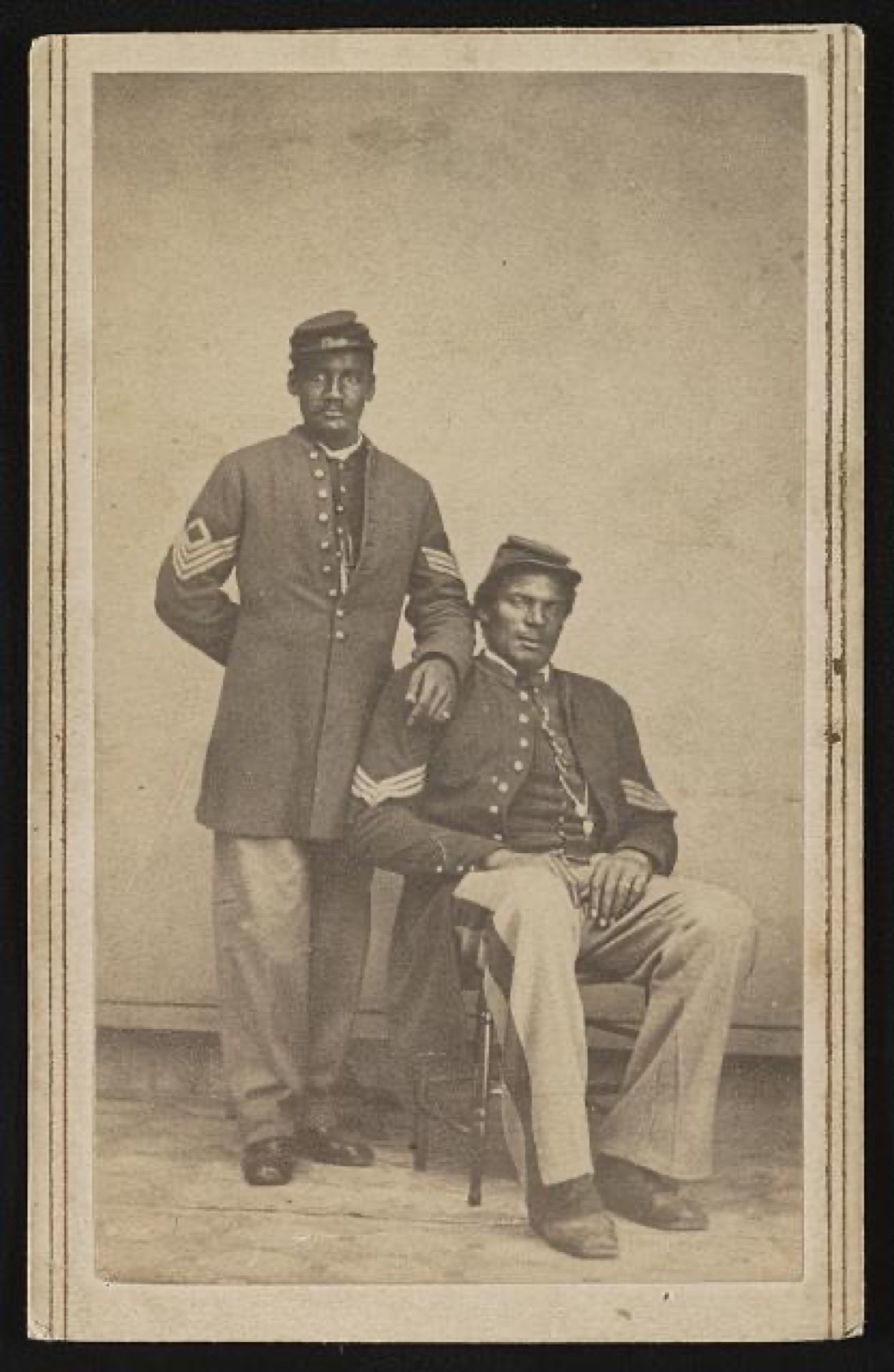
What we did with it
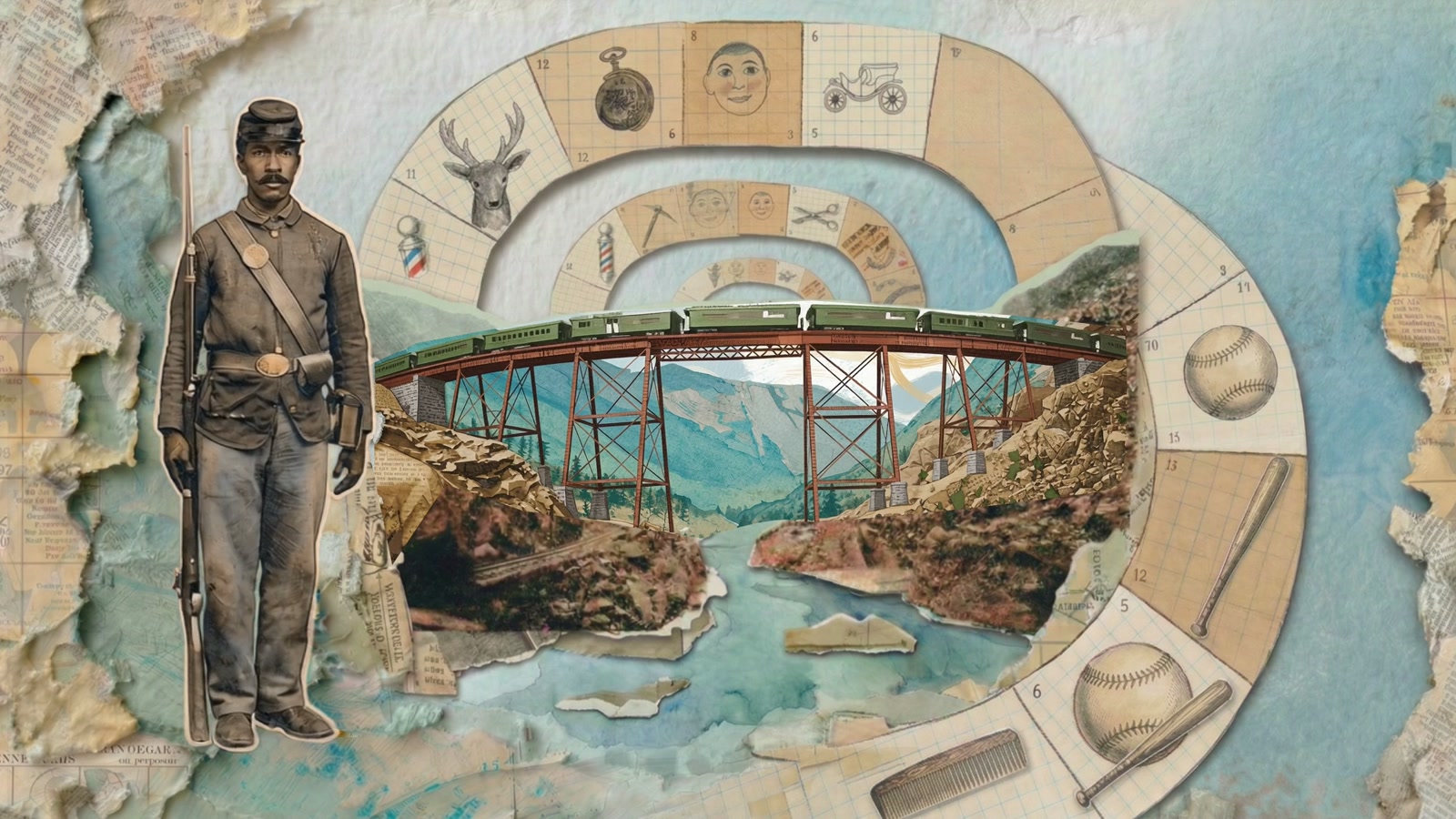
A three-minute tribute on a historian of slavery and emancipation, and on Charles Osborne Townsend — born enslaved in Alabama, freed by the man who was both his owner and his father, and later a barber, investor and ballplayer in a Colorado mining town.
R. Isabela Morales is a historian of slavery and emancipation in the United States, and Editor of the Princeton & Slavery Project. She took her PhD at Princeton in 2019. Her book Happy Dreams of Liberty: An American Family in Slavery and Freedom (Oxford University Press, 2022) follows the descendants of Samuel Townsend — an Alabama planter who freed his enslaved children and nieces in his will — across the American South and West. It won the Frederick Douglass Book Prize, the Tom Watson Brown Book Award, and the Shapiro Book Prize, all in 2023.
The Dan David Prize selection committee was “impressed with Morales’ impactful and rigorous scholarship that illuminates the historical complexities of slavery, and her visionary leadership in public history that bridges the gap between the academy and the public through diverse and accessible narratives.”
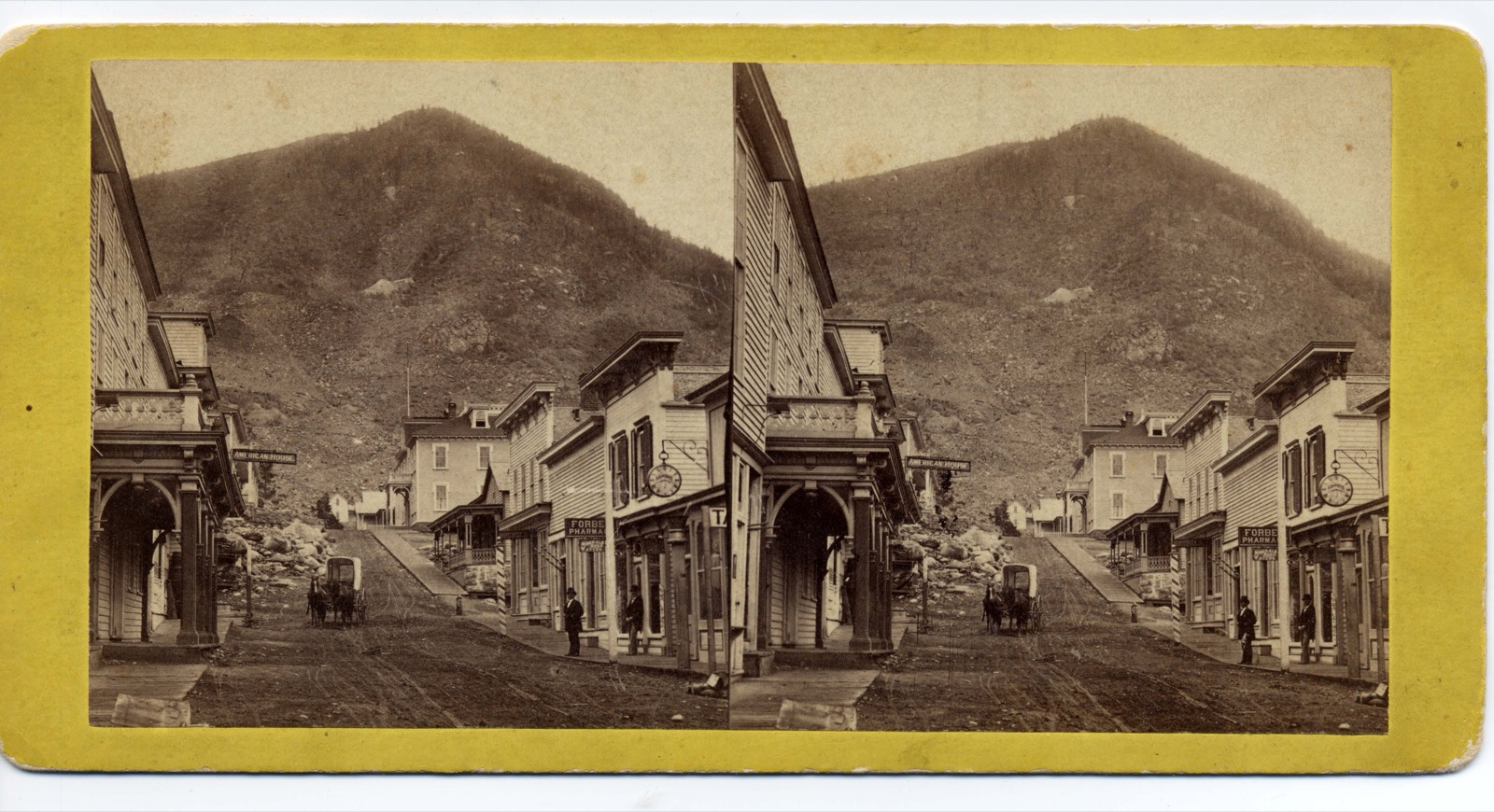
Morales makes a claim about nineteenth-century America that is genuinely radical, and the film exists to carry it. In Georgetown, Colorado, Black and white settlers went into business together and played on the same baseball team. Townsend ran a barbering business, invested in silver mining, and lived with a degree of social and political access that was unavailable to people of colour almost anywhere else in the country. The reason is not that the town was without prejudice. It is that in Georgetown, white residents directed that hostility elsewhere — at Chinese migrant labourers and at Native Americans. The town made room for him because it had chosen a different “other”.
That is a hard argument to animate, because it is neither a triumph nor a tragedy, and because the danger is that a viewer takes it as the general rule. So we made the film a game. Townsend’s life is one path around one board — a particular sequence of squares that could be landed on in that town, in those years. It is a small, singular universe, and its rarity is the whole point. Other paths existed. Most people of colour in that era were playing a different game entirely, and the film ends by showing that other board.
Nothing in this film is illustrated. Every element is cut from a board game, and Townsend’s life is one path around one board — a particular sequence of squares that could be landed on in that town, in those years.
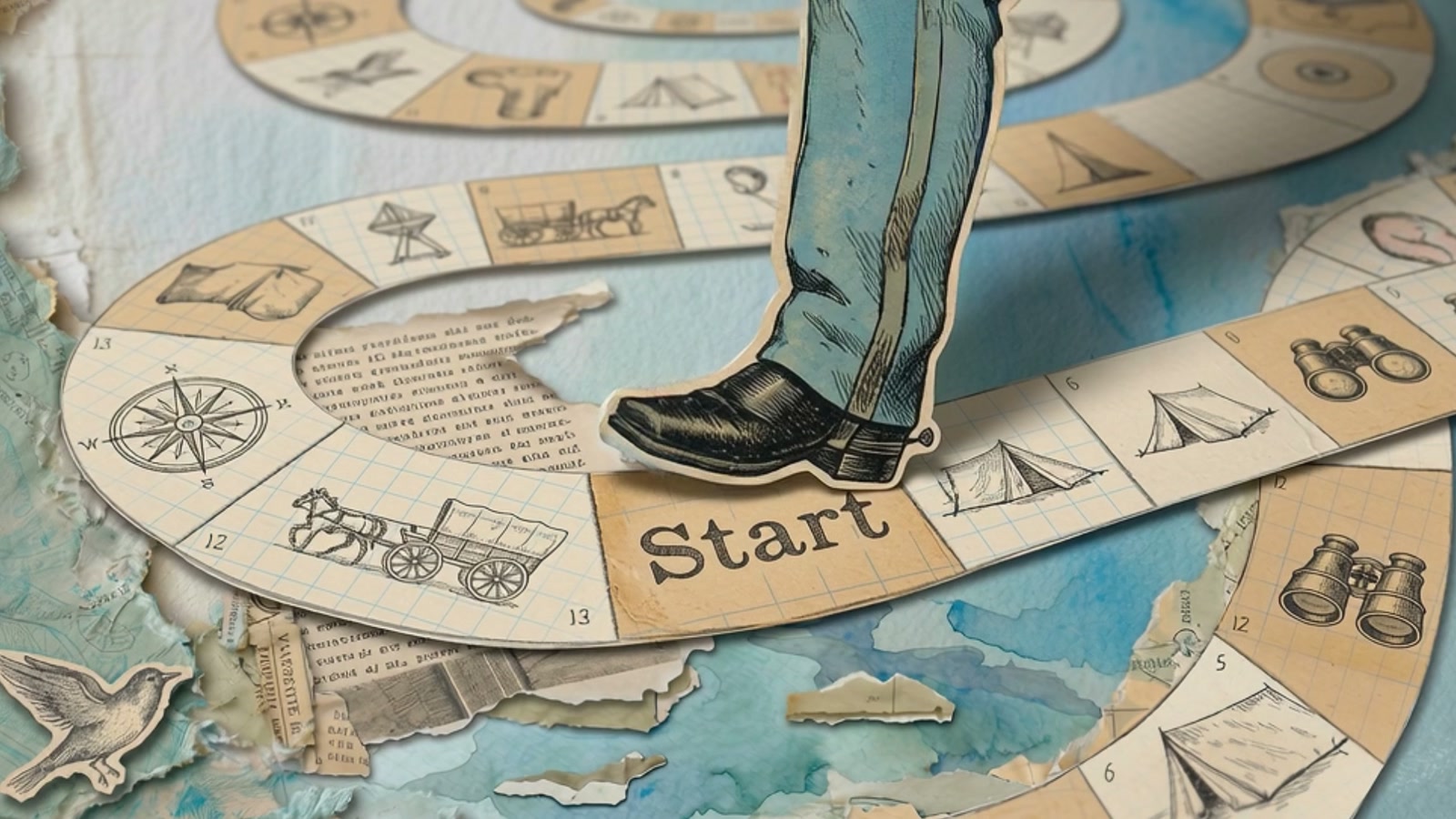
The film opens him onto the track the way a player enters a game: one foot, one square, a set of rules he did not write.
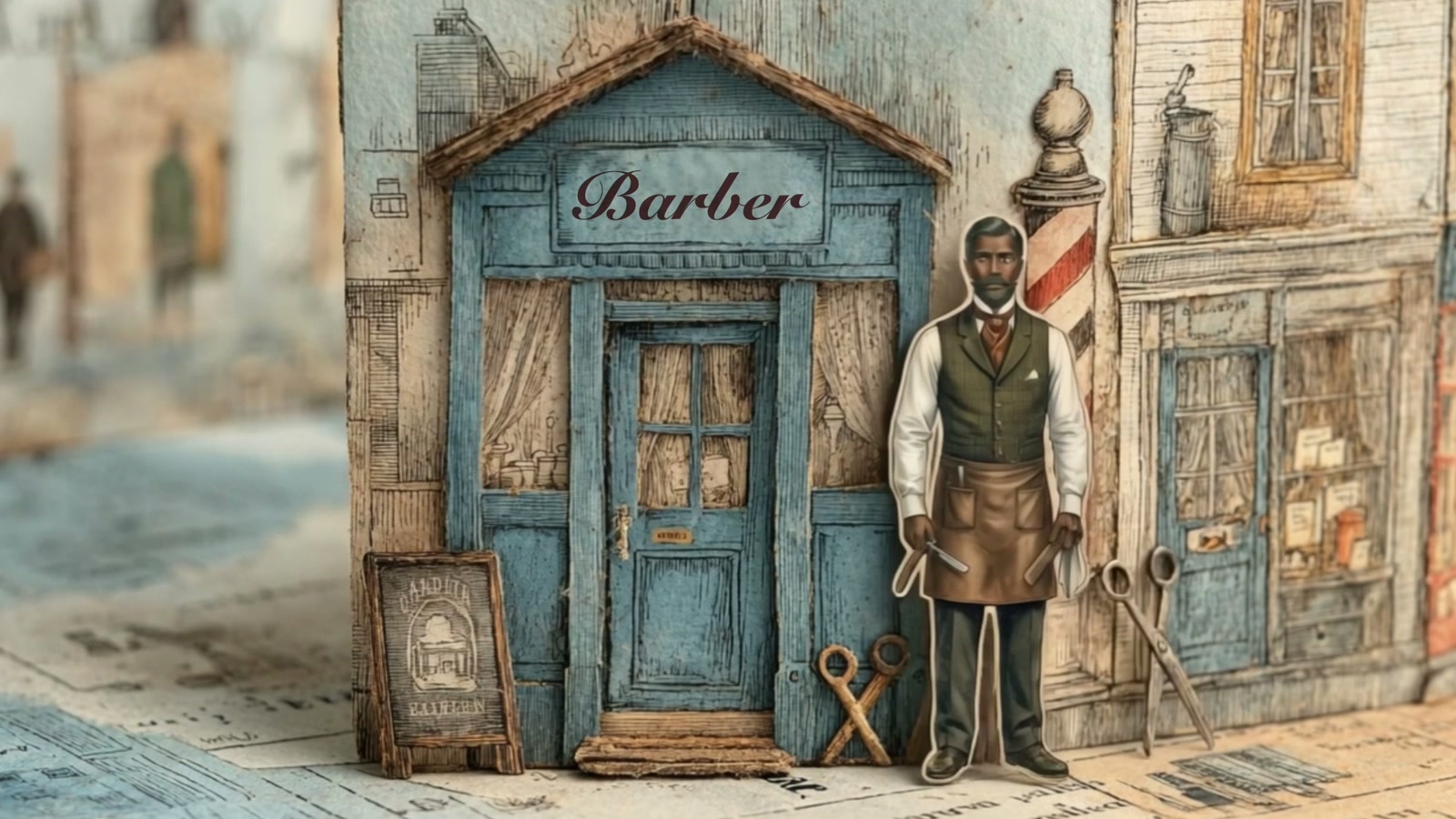
Townsend & Co., Barber Shop & Baths — the business he built in Georgetown, and a square on the board he could actually land on.
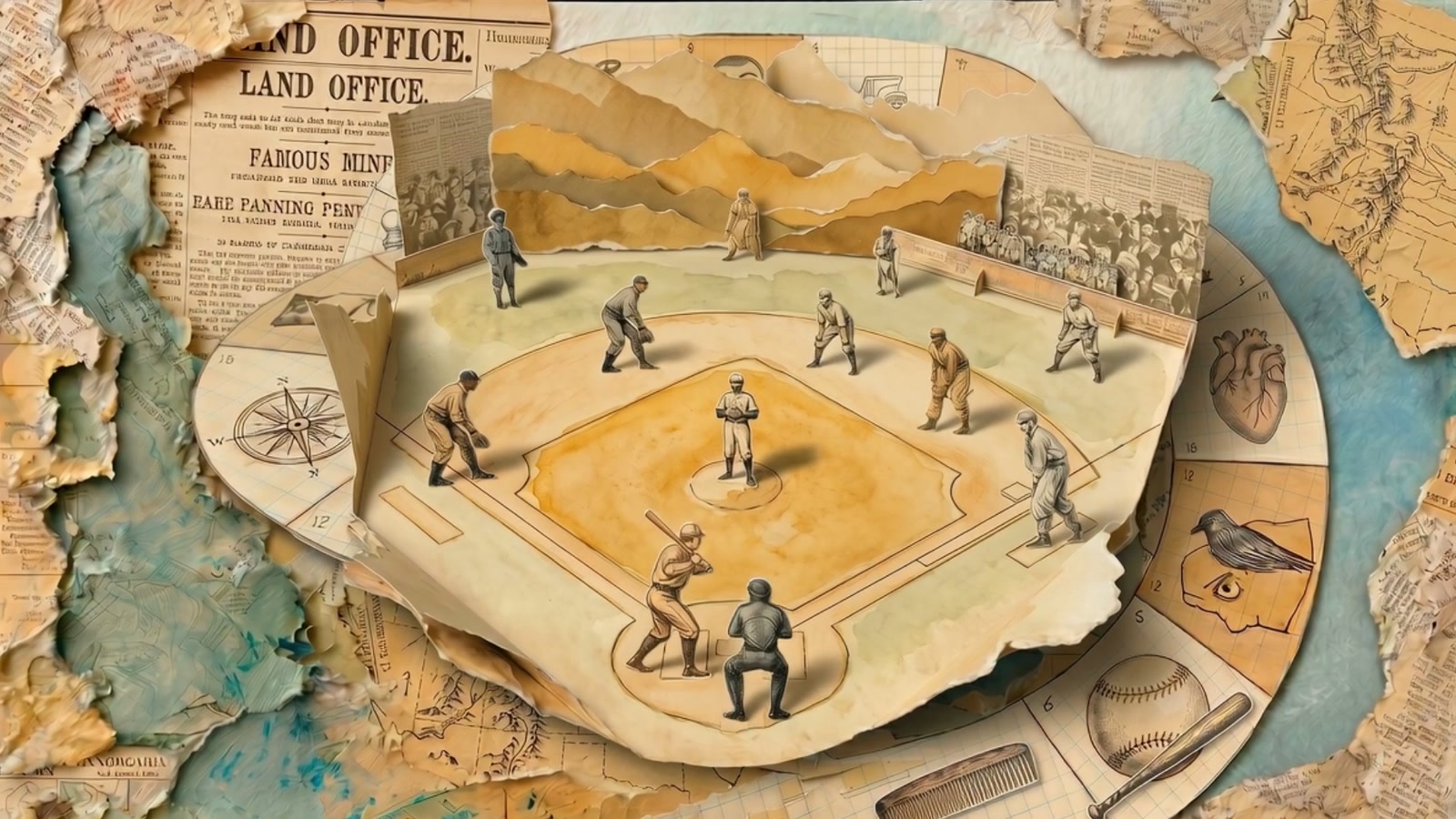
The detail Morales returns to, and the one that undoes the assumption fastest: Black and white residents of Georgetown played on the same ball field.
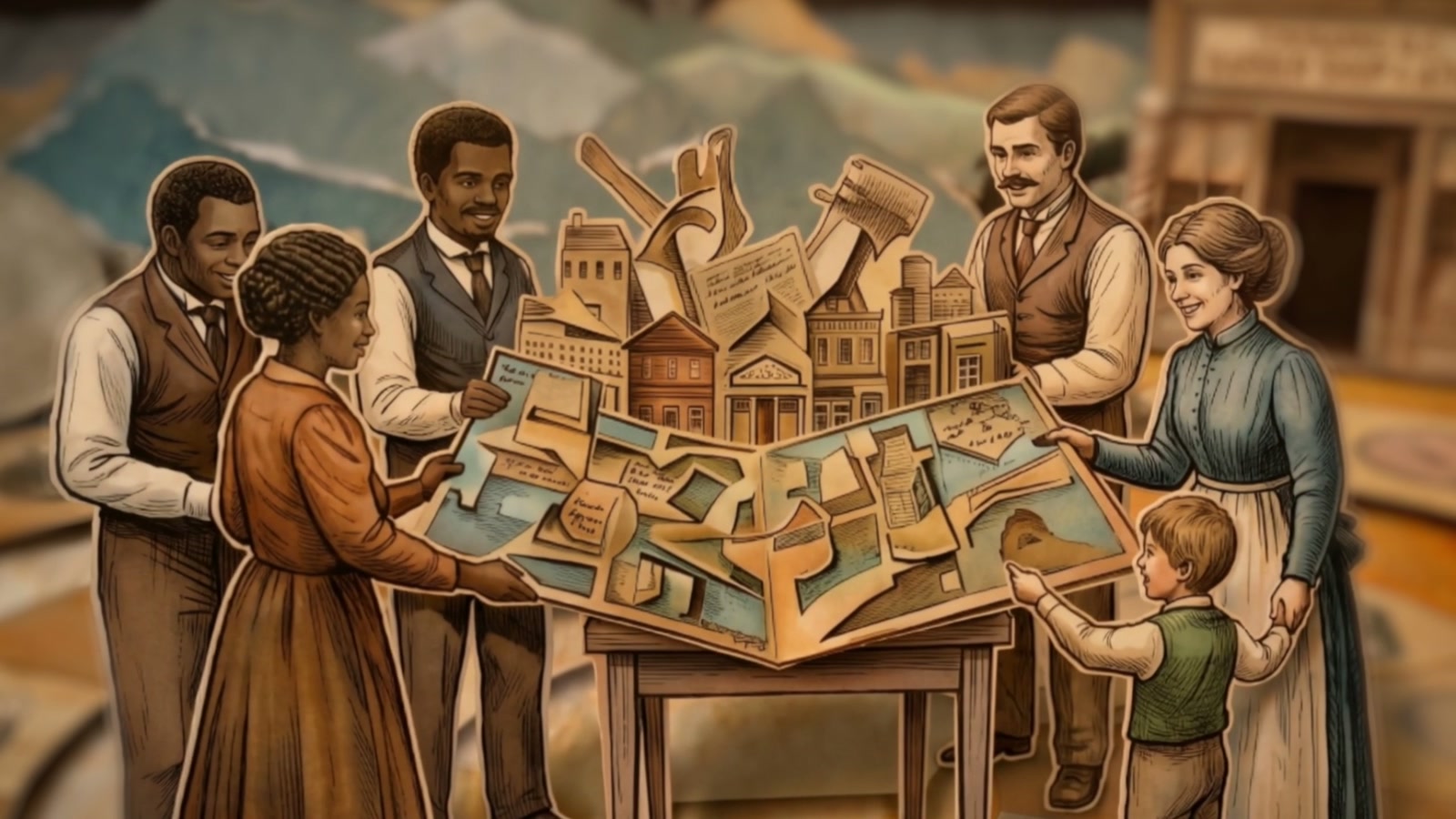
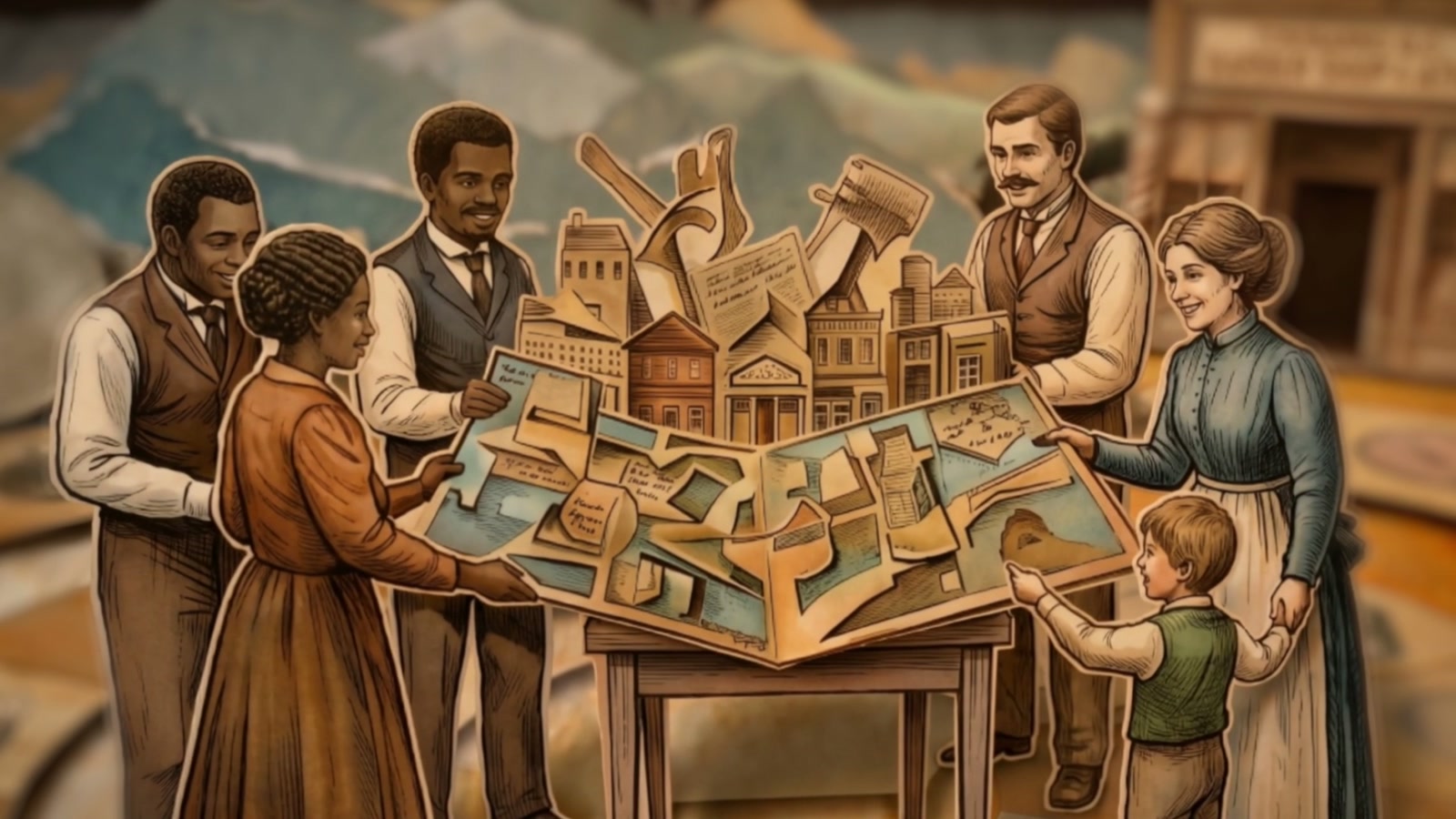
Black and white residents lean over the same map and raise the same town, which is what the record shows them doing — for a while.
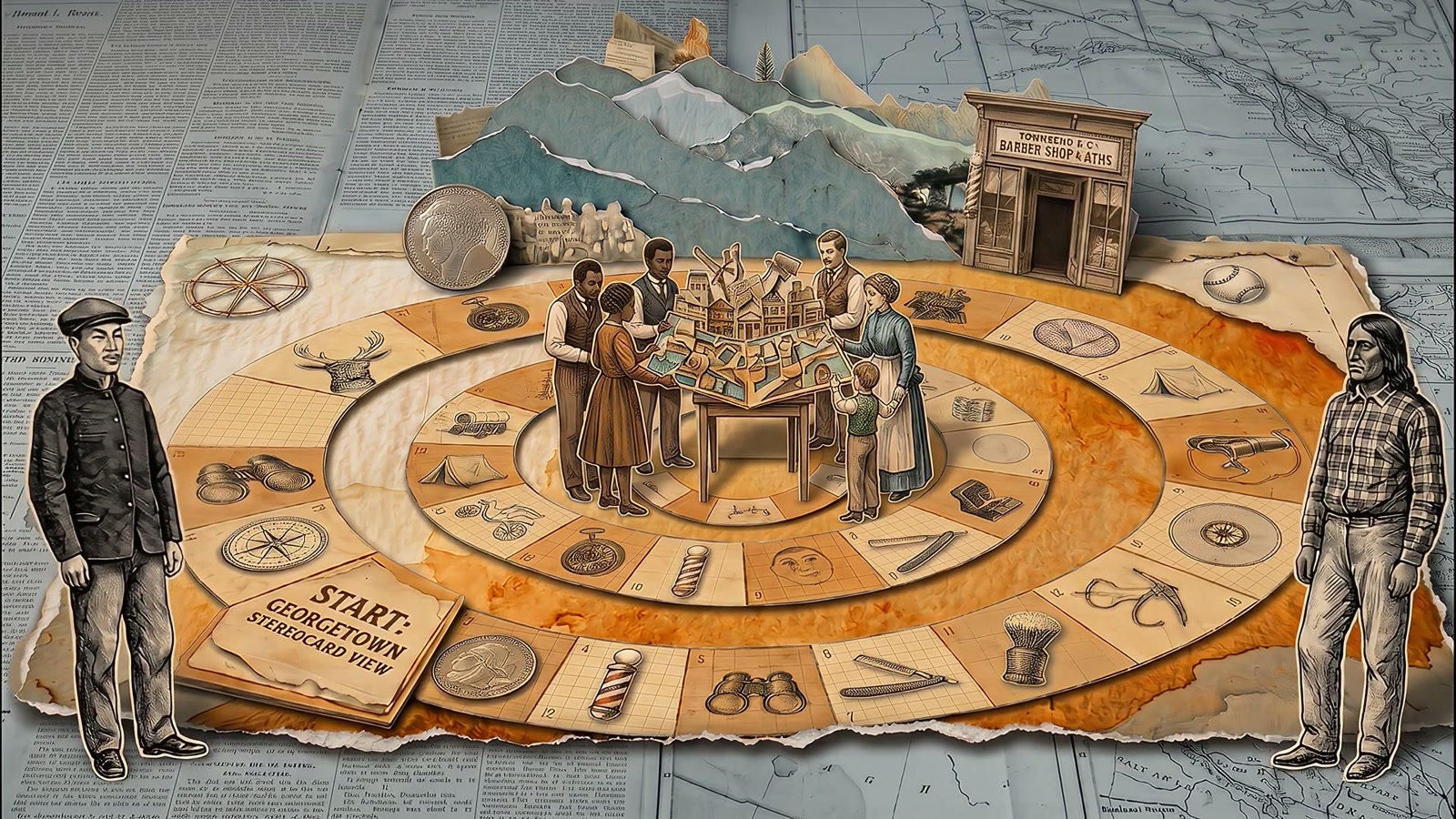
A Chinese migrant labourer on one side, a Native American man on the other, both standing off the board entirely. Georgetown made room for Townsend by choosing a different outside, and the film keeps that outside in frame.
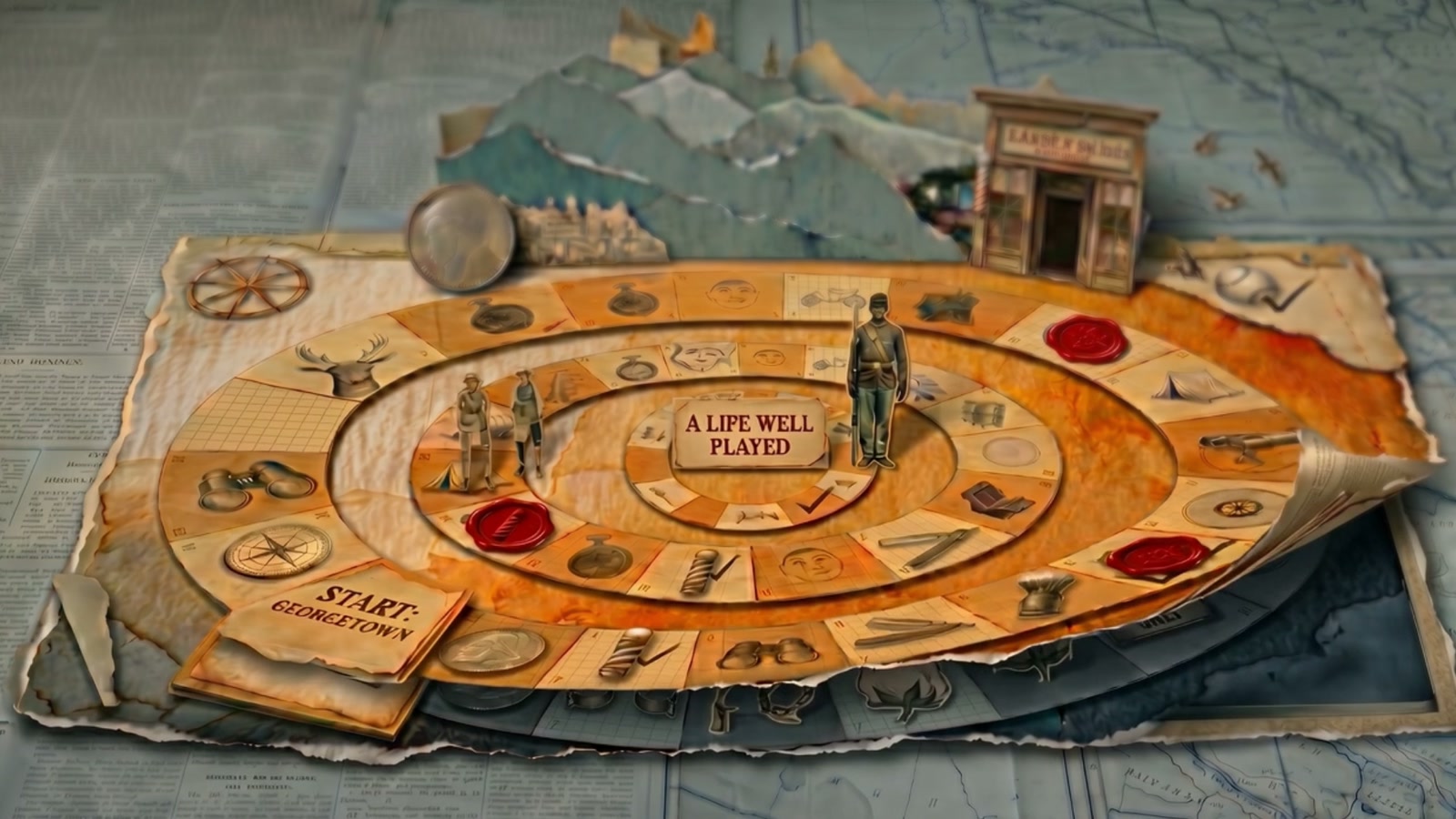
The centre square. Not a fortune, not a rescue — a life lived well inside a narrow and temporary set of rules.
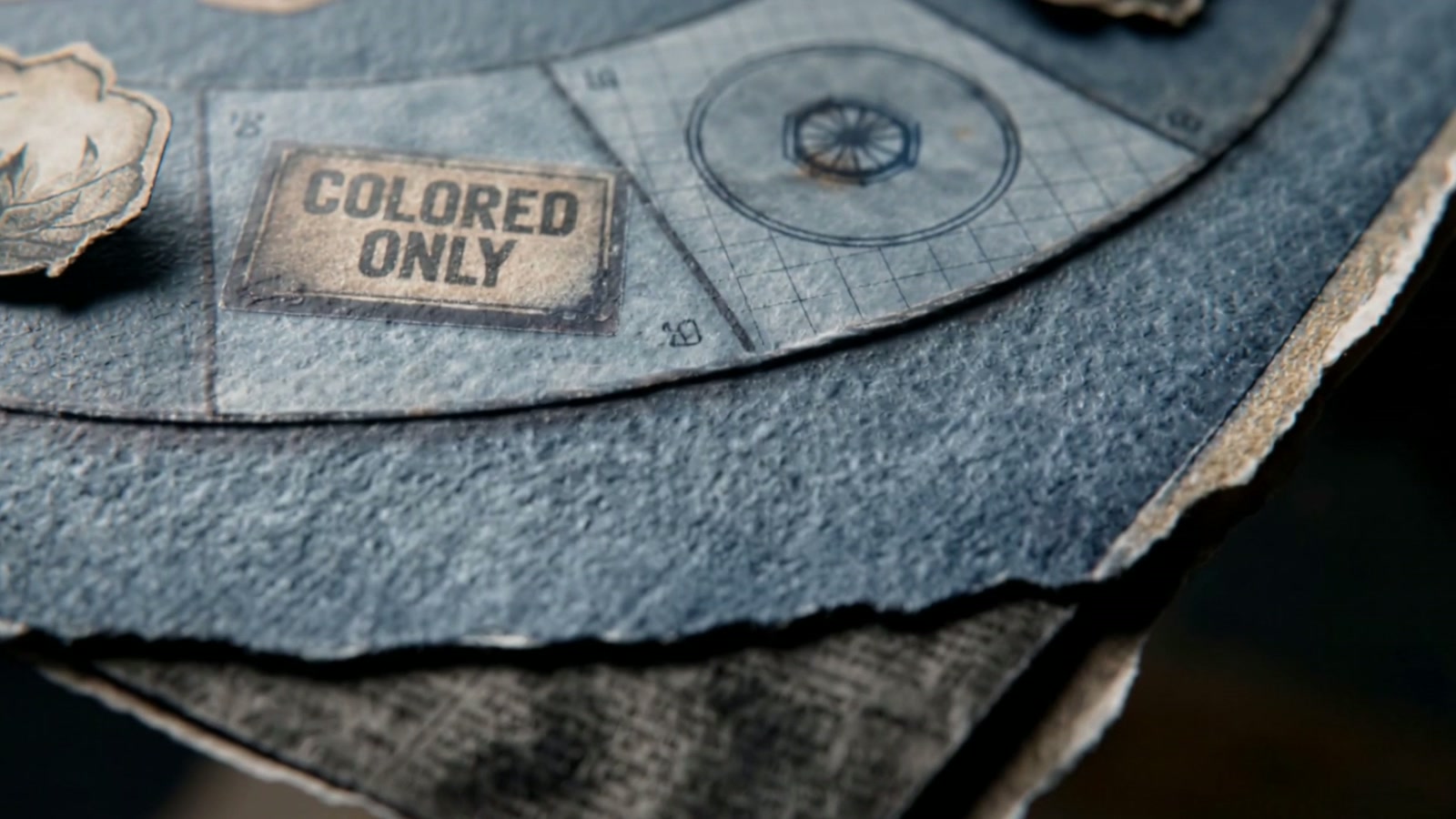
At the end of the film Georgetown’s board lifts at the corner, and a second board is revealed beneath it — grey, and marked Colored Only. This is the film’s last argument, and Morales’s: Townsend’s path was real, and it was one path. The rules that governed almost everywhere else were always there, one layer down.
Each year the Foundation selects its winners and, with the help of the laureate, chooses the subject of the film they are being honored for. The Foundation’s team, who know that work intimately, help bring it to the page, and we turn it into script, image, register, and motion.
The one thing we keep from them is the film itself. It is made in their honor but held back, so that the first time Isabela Morales meets it, in animated form, is the evening of the prize — the very moment they are being celebrated for the work it depicts. That is the part of the project we love: a film that is also a gift, a surprise, revealed in the room where it does its work.
The Dan David films don’t end their life on the evening of the prize. After the ceremony they travel to YouTube and to the Foundation’s own website, where each one sits alongside the committee’s reasoning for choosing the laureate and further material on the research. The winners are interviewed once the films are public, and those interviews are woven into the published versions.
You care about your subject.
So do we.
Client: Dan David Foundation
Subject: Dr. R. Isabela Morales, Princeton & Slavery Project
Direction: Daniella Koffler
Animation: Moofa Animation Team
Year: 2026