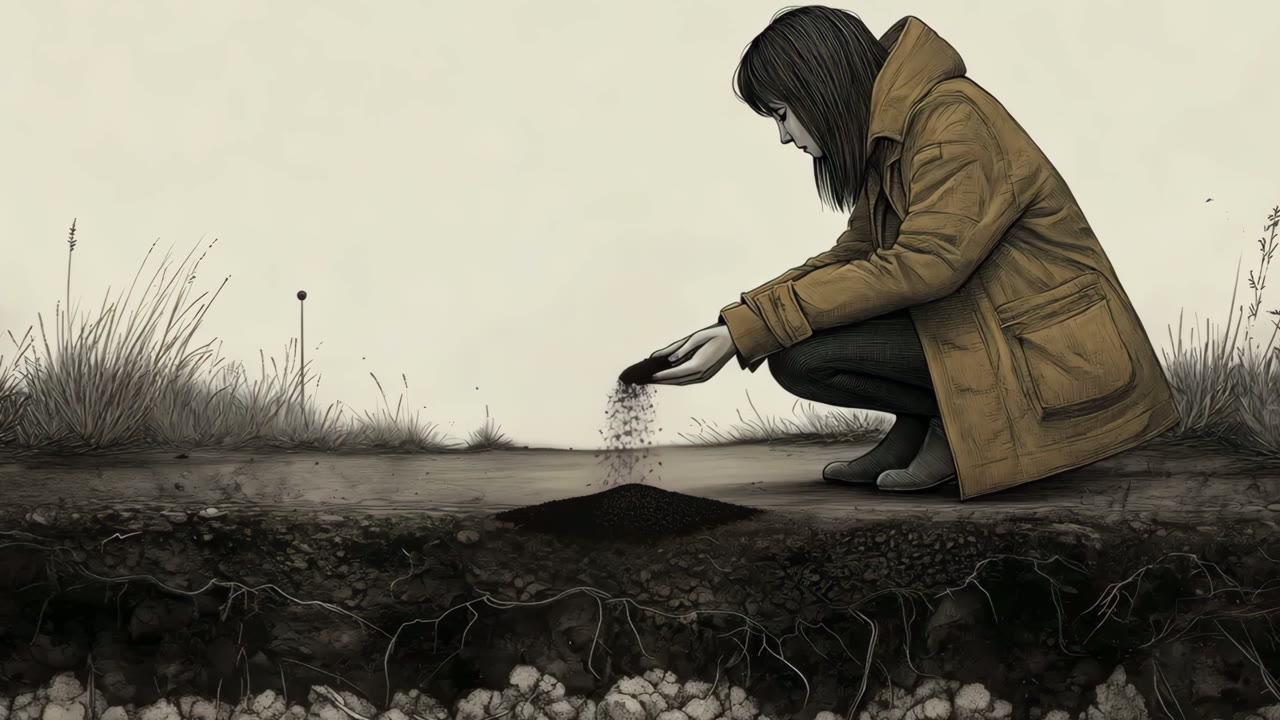
A short tribute on a Holocaust archaeologist who found a way to recover the truth of a place like Treblinka without disturbing its graves, an archaeology built, first of all, on restraint.
Caroline Sturdy Colls is Professor of Holocaust Archaeology and Genocide Investigation at the University of Huddersfield, where she leads the Centre of Archaeology. She was the first archaeologist permitted to work at the former Treblinka death camp, and she came to it with a problem most of her field had never had to solve: how to investigate a site of mass murder that is also, in Jewish law, a place of the dead that must not be disturbed.
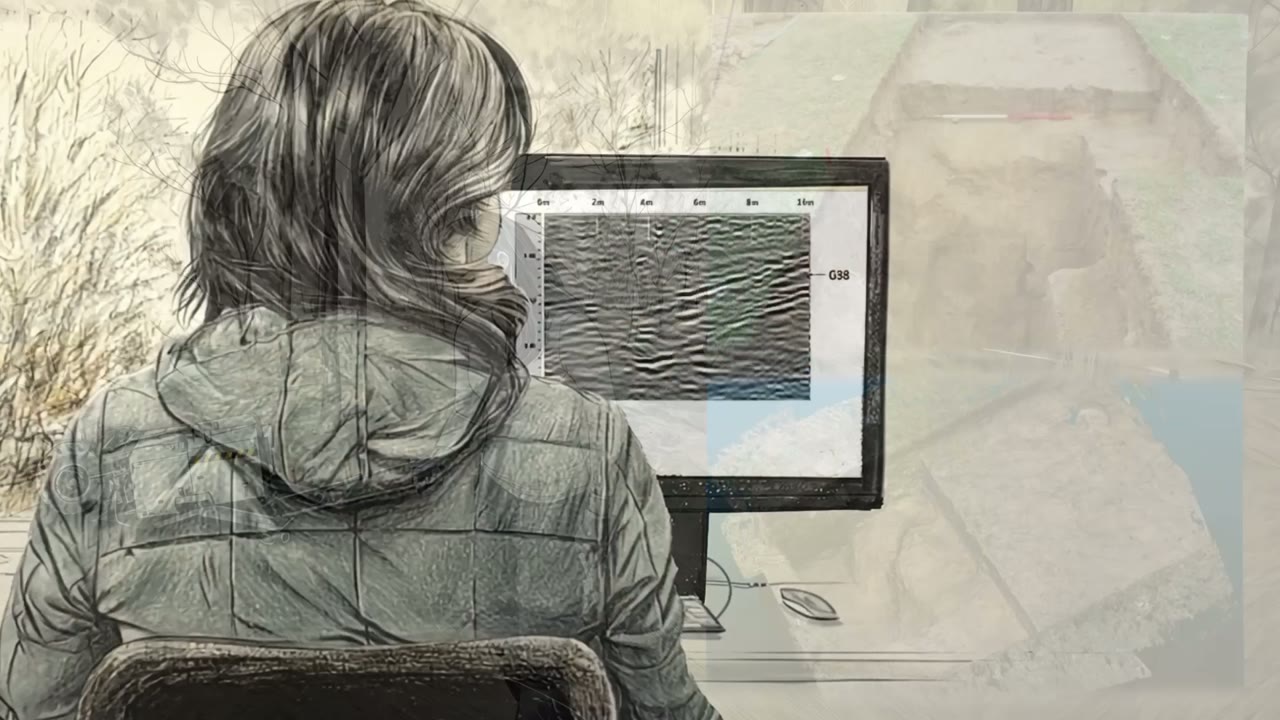
Her answer was a non-invasive forensic archaeology, LiDAR, ground-penetrating radar, geophysical survey, that can read what lies beneath the surface without breaking it, honouring halachic prohibitions on disturbing graves while still recovering evidence of gas chambers and mass graves. She has since carried the method to the Nazi camps of Alderney and beyond. The Dan David Prize honored Sturdy Colls "for developing practical and ethical protocols for conducting archaeological investigations at sites of genocide, for her enormous impact on the field of Holocaust Studies, and to support her ongoing contributions to the study of history and the human past."
Archaeology, for most of its history, has meant digging: to know what is beneath the ground, you break the ground open. Sturdy Colls's work begins from the opposite instinct. At a place like Treblinka, where hundreds of thousands were murdered and where Jewish law forbids the disturbance of the dead, the excavation that would normally reveal the truth is exactly what must not happen. Her achievement is a way of seeing into the earth while leaving it whole.
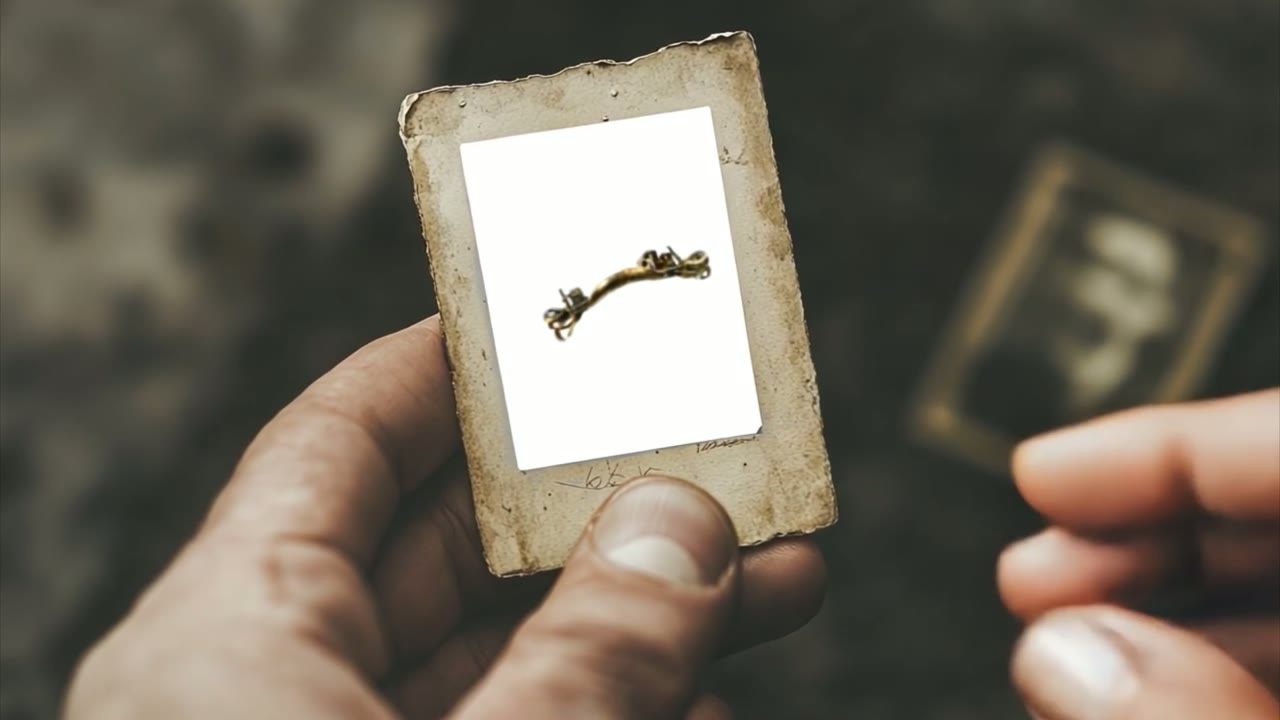
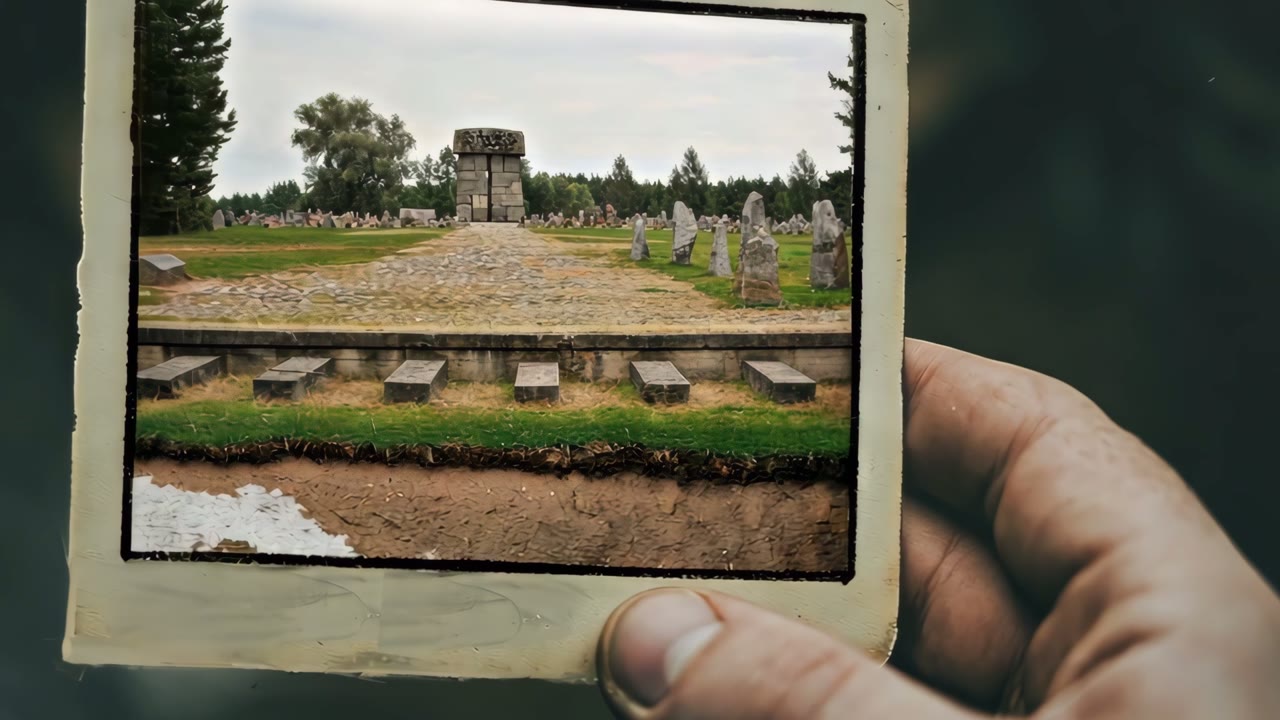
The film's task was to honour that restraint, and to make its instruments legible: the drone and the radar, the scan on the screen that renders a mass grave without touching it, the single recovered object that stands for a life, the memorial landscape that the science serves. We wanted the film itself to move with the same care as the work, approaching an unbearable history not by exposing it but by attending to it, and to hold, quietly, the people the ground still keeps.
Each year the Foundation selects its winners and, with the help of the laureate, chooses the subject of the film they are being honored for. The Foundation’s team, who know that work intimately, help bring it to the page, and we turn it into script, image, register, and motion.
The one thing we keep from them is the film itself. It is made in their honor but held back, so that the first time Caroline Sturdy Colls meets it, in animated form, is the evening of the prize — the very moment they are being celebrated for the work it depicts. That is the part of the project we love: a film that is also a gift, a surprise, revealed in the room where it does its work.
The Dan David films don't end their life on the evening of the prize. After the ceremony they travel to YouTube and to the Foundation's own website, where each one sits alongside the committee's reasoning for choosing the laureate and further material on the research. The winners are interviewed once the films are public, and those interviews are woven into the published versions. Several laureates carry the films further still, into their teaching, playing them for graduate seminars, public lectures, and visiting audiences as a way of explaining, in a few minutes, what they have spent careers on.
You care about your subject.
So do we.
Client: Dan David Foundation
Subject: Prof. Caroline Sturdy Colls, University of Huddersfield
Direction: Daniella Koffler
Animation: Moofa Animation Team
Year: 2025