Source material
What we did with it
A two-and-a-half-minute tribute on a historian whose work made yellow fever a force in the political and economic history of the nineteenth-century American South, and immunity itself a form of capital.
Kathryn Olivarius is Associate Professor of History at Stanford University. Her book Necropolis: Disease, Power, and Capitalism in the Cotton Kingdom (Belknap Press of Harvard, 2022) reads antebellum New Orleans through a single brutal fact: in a city where yellow fever killed roughly half of those it struck and left the survivors immune, having survived the disease became a kind of capital.
Olivarius coined the term immunocapital for the way fever survival functioned as creditworthiness, marriageability, employability, even a form of property. The Dan David Prize honored her for making epidemiology and the body central to the political and economic history of slavery and the cotton economy.
Olivarius tells the story of an entire economic system through a single life. This is a move the best twenty-first-century historians make often, and it is a hard one: the lives of thousands cannot really be told, but what we remember, as humans, is one story standing for a whole society. The film followed her method. We built our central figure, Ralph Roanoke, from the ground up, because no image of him survives, and let him carry the arc a statistical table never could.
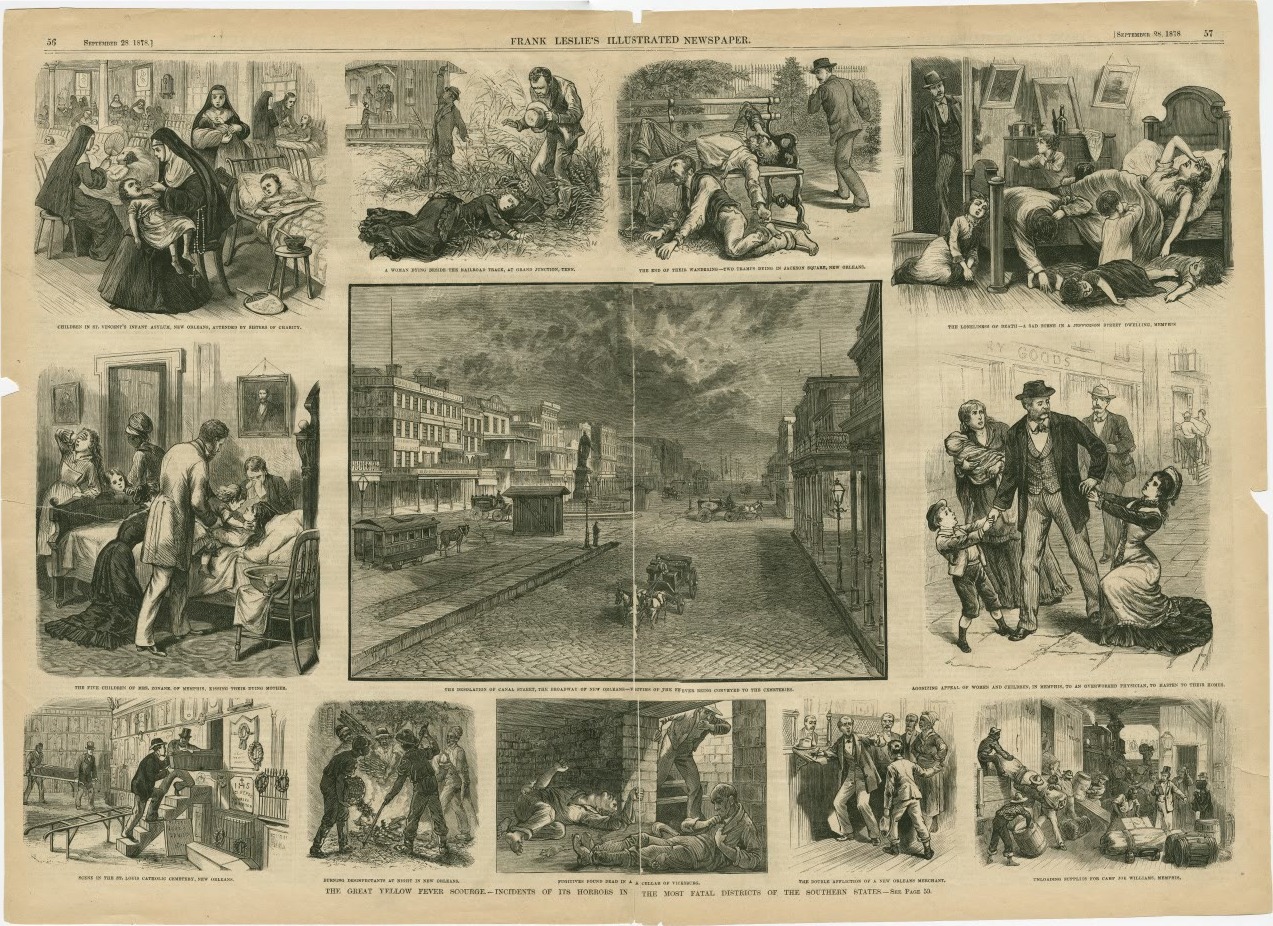
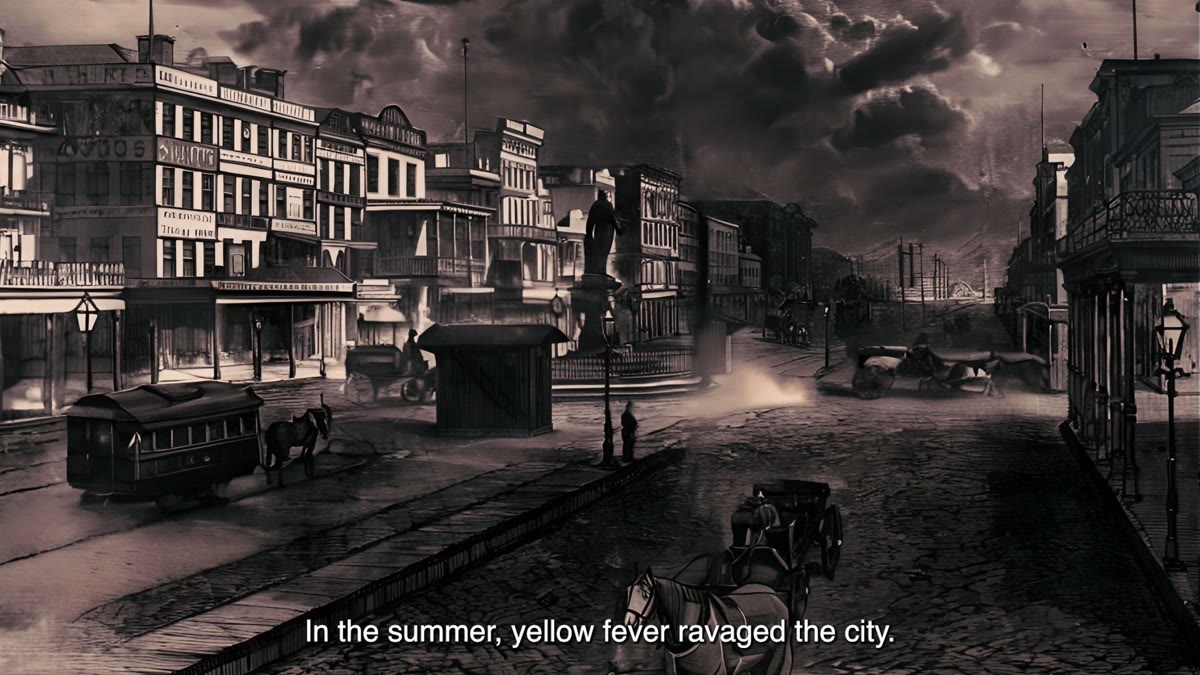
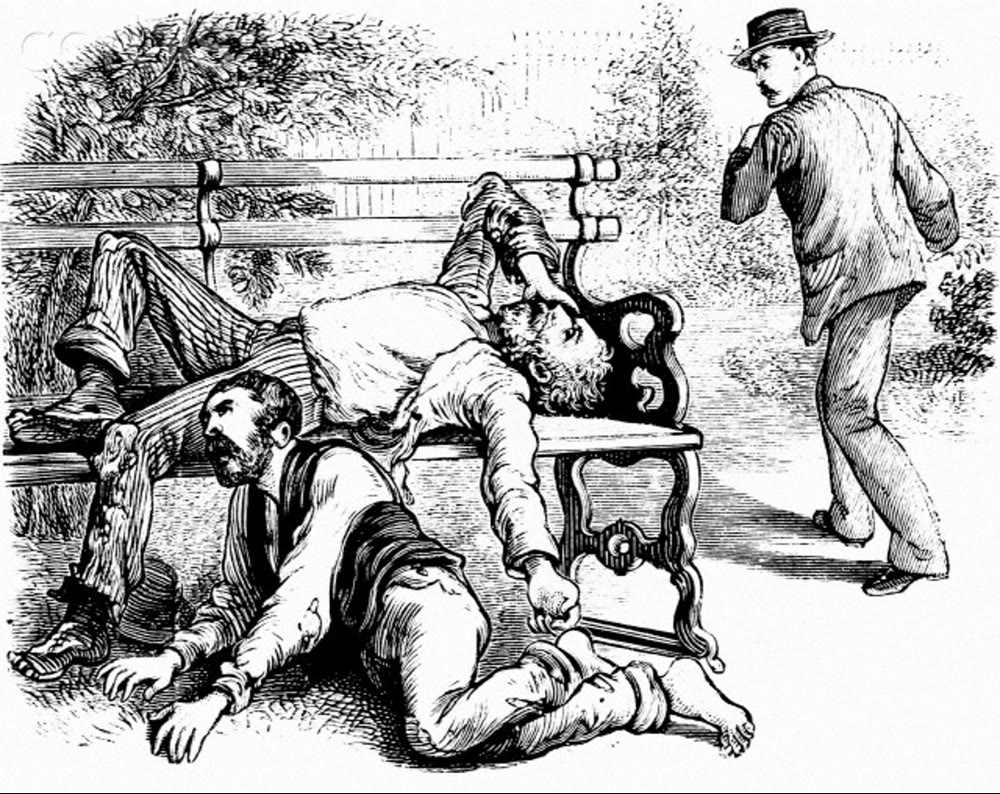
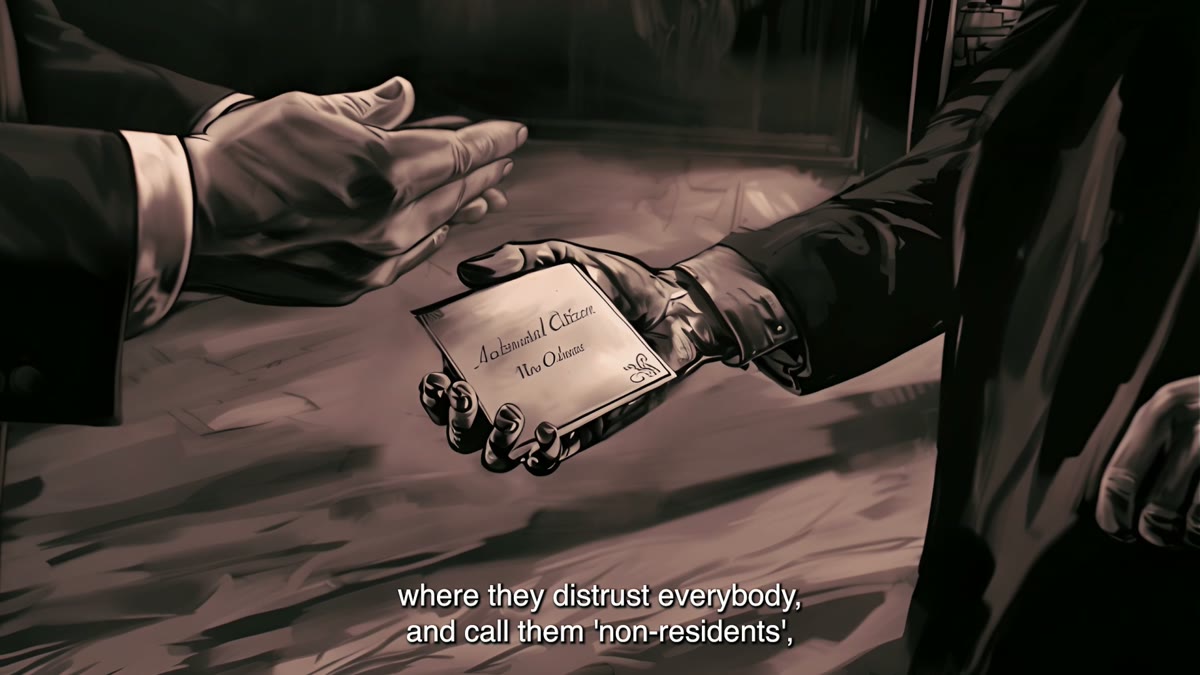
The film's other decision was to animate the real period illustrations, the newspaper engravings of the yellow-fever wards, rather than invent our own. We wanted the viewer to see, in front of their eyes, what it was to be condemned to a possible death you could do nothing to prevent. And then the stranger, colder turn in Olivarius's argument, the one that lands very differently after a pandemic of our own: if you survived the fever, you gained a status. An "acclimated citizen" could get credit, marry, be trusted, do almost anything in New Orleans. Survival was not luck. It was capital. The film had to hold both the horror and that brutal logic in the same two and a half minutes.
Each year the Foundation selects its winners and, with the help of the laureate, chooses the subject of the film they are being honored for. The Foundation’s team, who know that work intimately, help bring it to the page, and we turn it into script, image, register, and motion.
The one thing we keep from them is the film itself. It is made in their honor but held back, so that the first time Kathryn Olivarius meets it, in animated form, is the evening of the prize — the very moment they are being celebrated for the work it depicts. That is the part of the project we love: a film that is also a gift, a surprise, revealed in the room where it does its work.
The Dan David films don't end their life on the evening of the prize. After the ceremony they travel to YouTube and to the Foundation's own website, where each one sits alongside the committee's reasoning for choosing the laureate and further material on the research. The winners are interviewed once the films are public, and those interviews are woven into the published versions. Several laureates carry the films further still, into their teaching, playing them for graduate seminars, public lectures, and visiting audiences as a way of explaining, in two and a half minutes, what they have spent careers on.
You care about your subject.
So do we.
Client: Dan David Foundation
Subject: Prof. Kathryn Olivarius, Stanford University
Direction: Daniella Koffler
Animation: Moofa Animation Team
Year: 2024