Source material
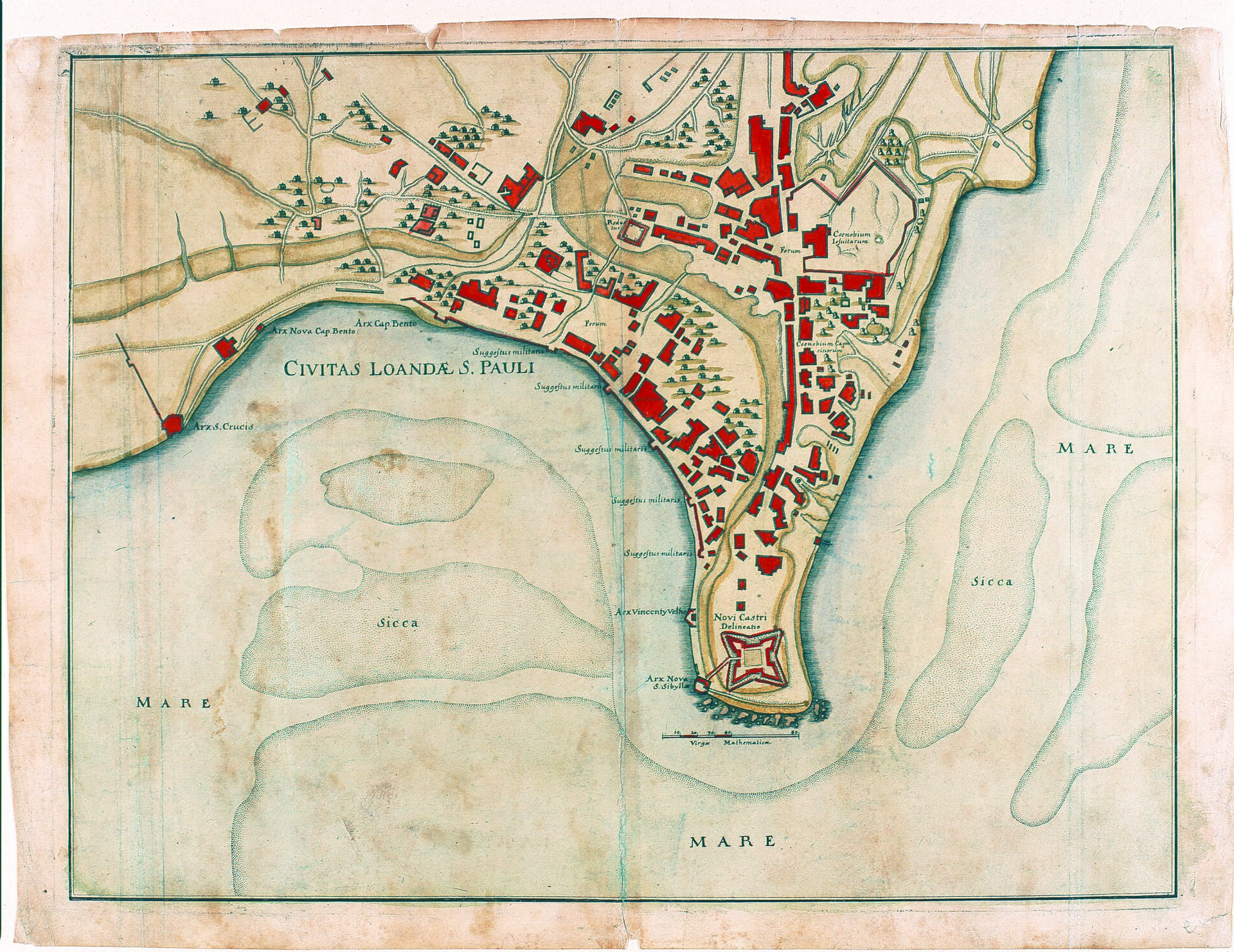
What we did with it
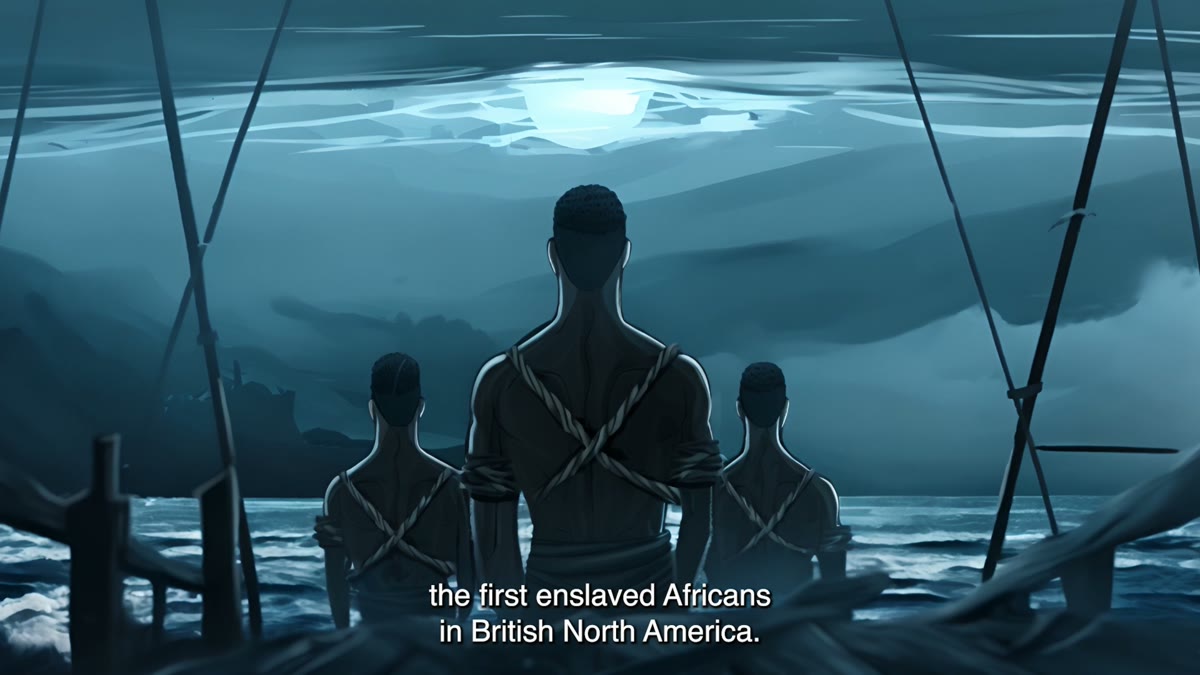
A two-and-a-half-minute tribute on a global historian whose work places the 1619 arrival of Africans at Point Comfort inside the Iberian trading system, and lets the reader see how far back the supply chains we take for a modern invention had actually been running.
Stuart McManus is Assistant Professor of World History at the Chinese University of Hong Kong, and an affiliate of the Weatherhead Center at Harvard. His scholarship links regions historians usually study apart, North America, Latin America, West Africa, South China, and locates their connections in the early modern world.
His forthcoming book The World of 1619 (Harvard University Press) argues that the landing of the first Africans at Point Comfort, Virginia was not an English or Anglo-Atlantic event but an extension of an Iberian slave system that was already, in that year, a planetary supply chain. The Dan David Prize honored McManus as a global historian of the early modern period whose work spans the spread of Humanism and the links between Atlantic slavery and a much wider network of trade and human trafficking that spanned the early modern globe.
McManus's story is one most people who think they know 1619 do not know. The Africans who landed at Point Comfort were captured by an alliance of Portuguese merchants, on a ship owned by a Converso, a person of Jewish descent, who also traded goods between Europe and Asia. The supply chains we treat as an invention of the last few decades were already running, four centuries earlier, and human beings were listed on the manifests alongside silk, ceramic, and spices.
That sentence became the film's opening argument. The film's task was to give the sixty people who were brought across, and the many others who did not survive the voyage, a place to be seen. They were not ceramics, and they were not silk. The film had to hold that distinction visible against the backdrop of a system that had, on its own paper, refused it. It was our small commitment to name them, or at least to place them in the frame at the same scale as the goods the manifest recorded so carefully.
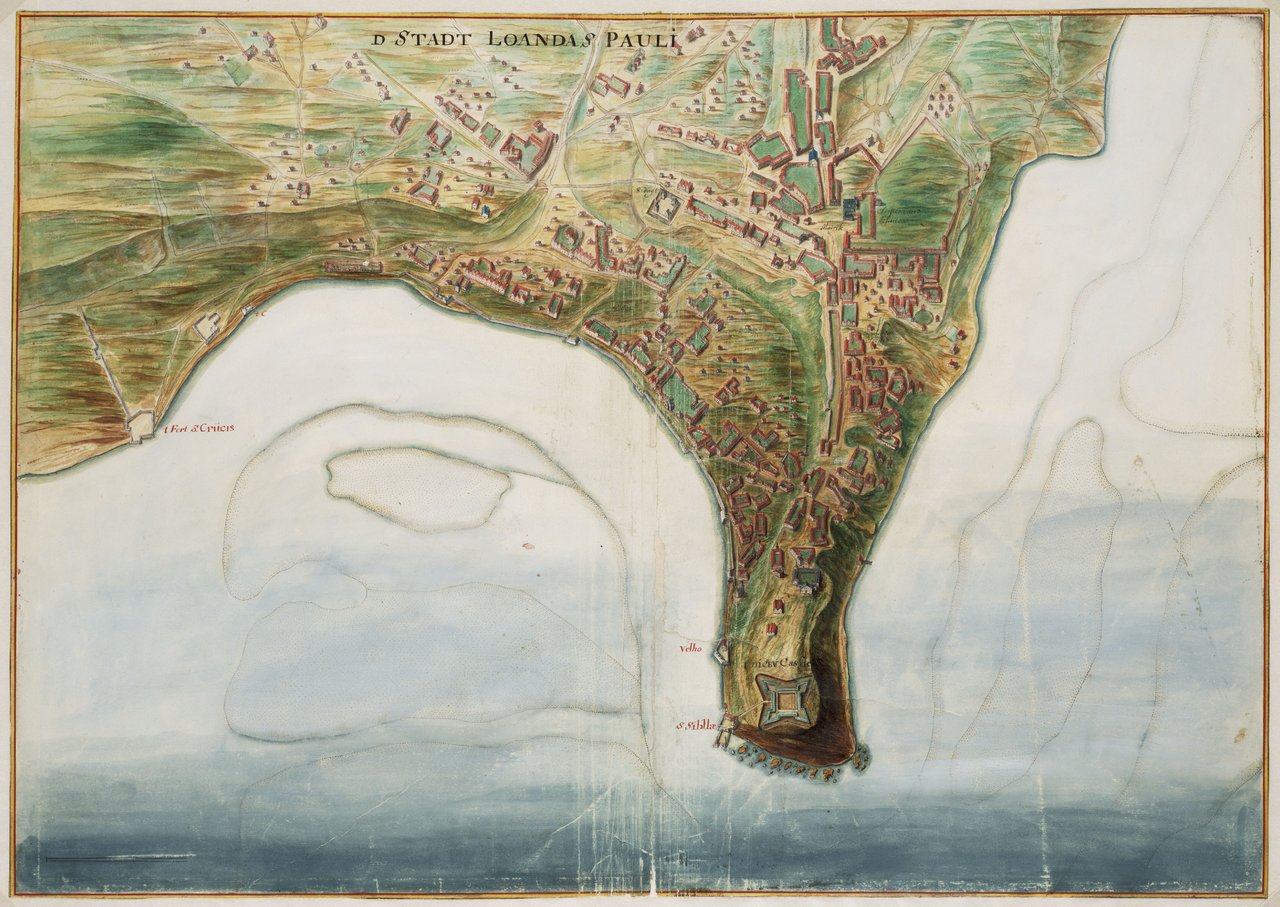

Each year the Foundation selects its winners and, with the help of the laureate, chooses the subject of the film they are being honored for. The Foundation’s team, who know that work intimately, help bring it to the page, and we turn it into script, image, register, and motion.
The one thing we keep from them is the film itself. It is made in their honor but held back, so that the first time Stuart McManus meets it, in animated form, is the evening of the prize — the very moment they are being celebrated for the work it depicts. That is the part of the project we love: a film that is also a gift, a surprise, revealed in the room where it does its work.
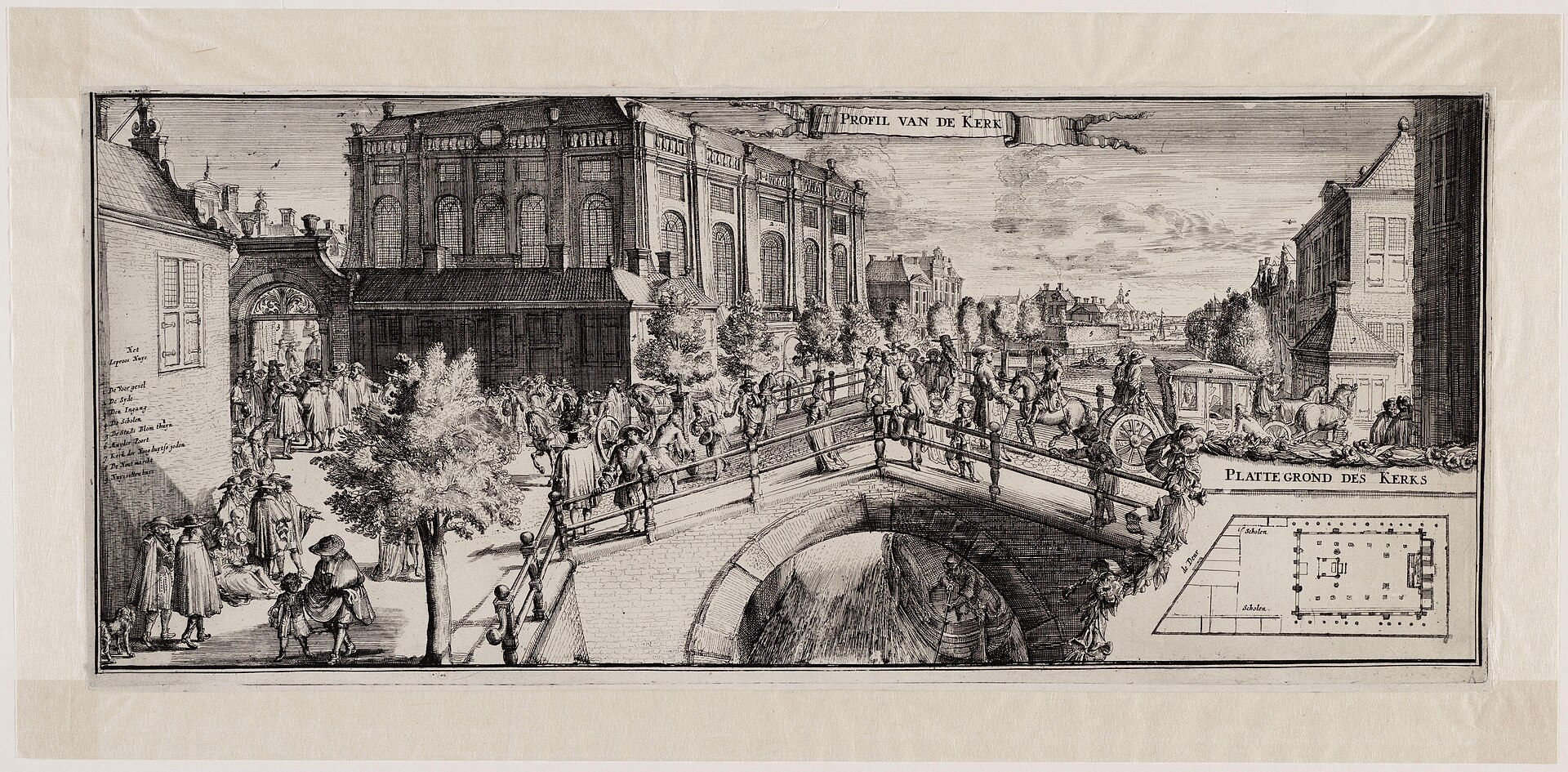
Two period sources sit behind the film's argument: the Iberian departure ports that fed the Atlantic circuit, and the Sephardi merchant diaspora that financed and moved much of it. They are the world the São João Bautista sailed from.
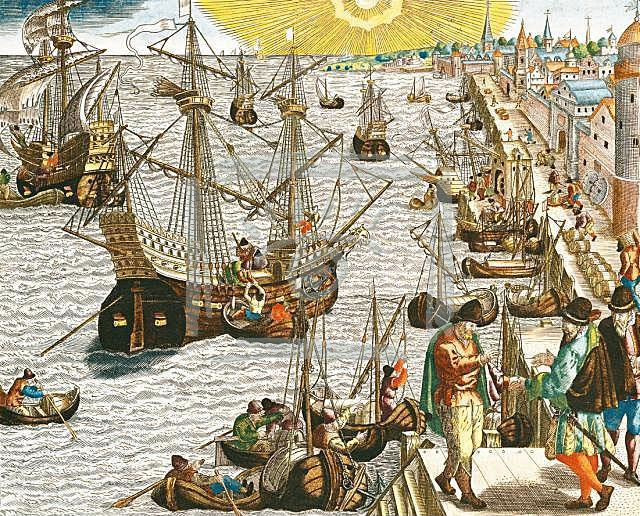
The Dan David films don't end their life on the evening of the prize. After the ceremony they travel to YouTube and to the Foundation's own website, where each one sits alongside the committee's reasoning for choosing the laureate and further material on the research. The winners are interviewed once the films are public, and those interviews are woven into the published versions. Several laureates carry the films further still, into their teaching, playing them for graduate seminars, public lectures, and visiting audiences as a way of explaining, in two and a half minutes, what they have spent careers on.
You care about your subject.
So do we.
Client: Dan David Foundation
Subject: Prof. Stuart McManus, Chinese University of Hong Kong
Direction: Daniella Koffler
Animation: Moofa Animation Team
Year: 2024