The subject
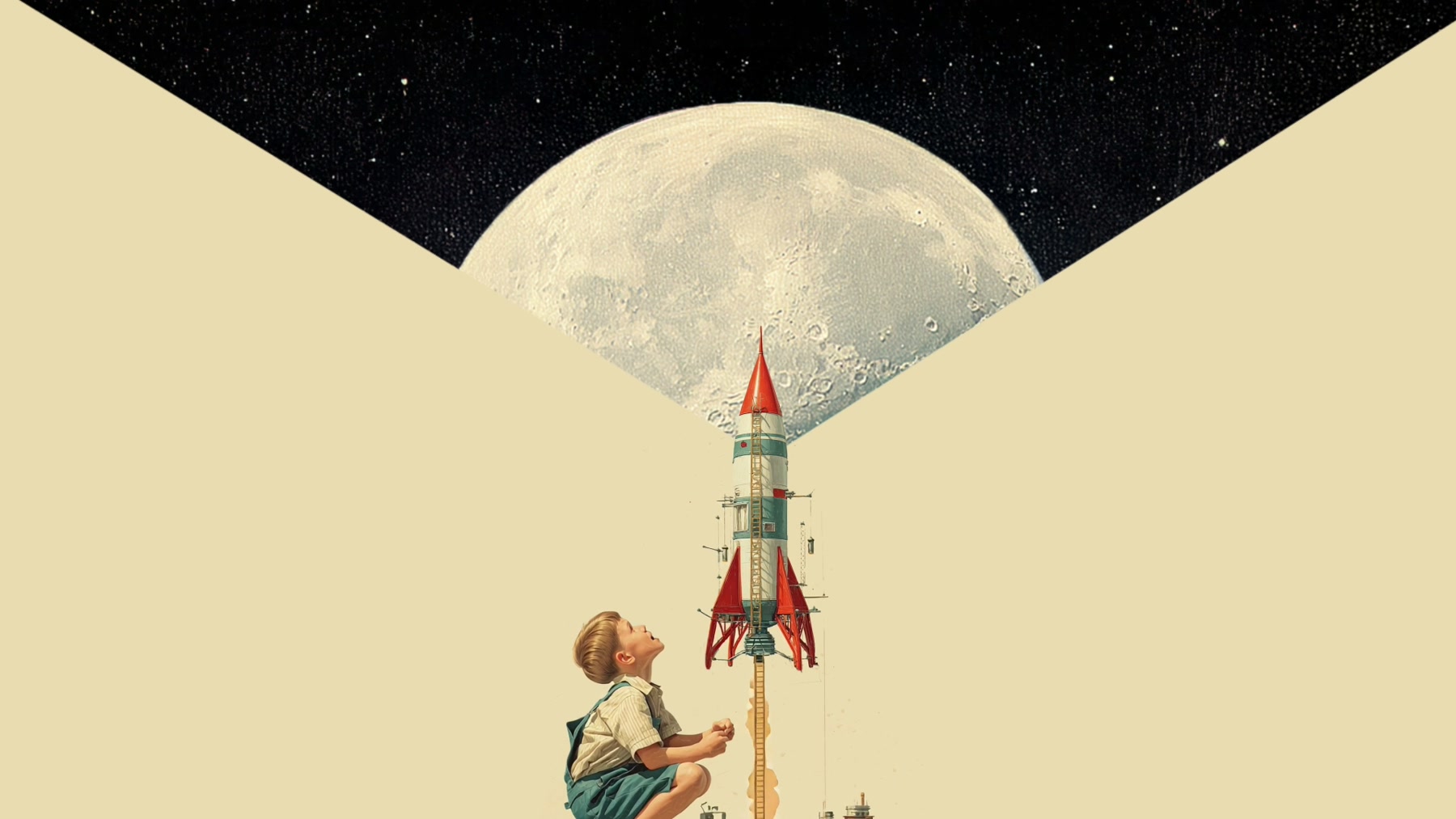
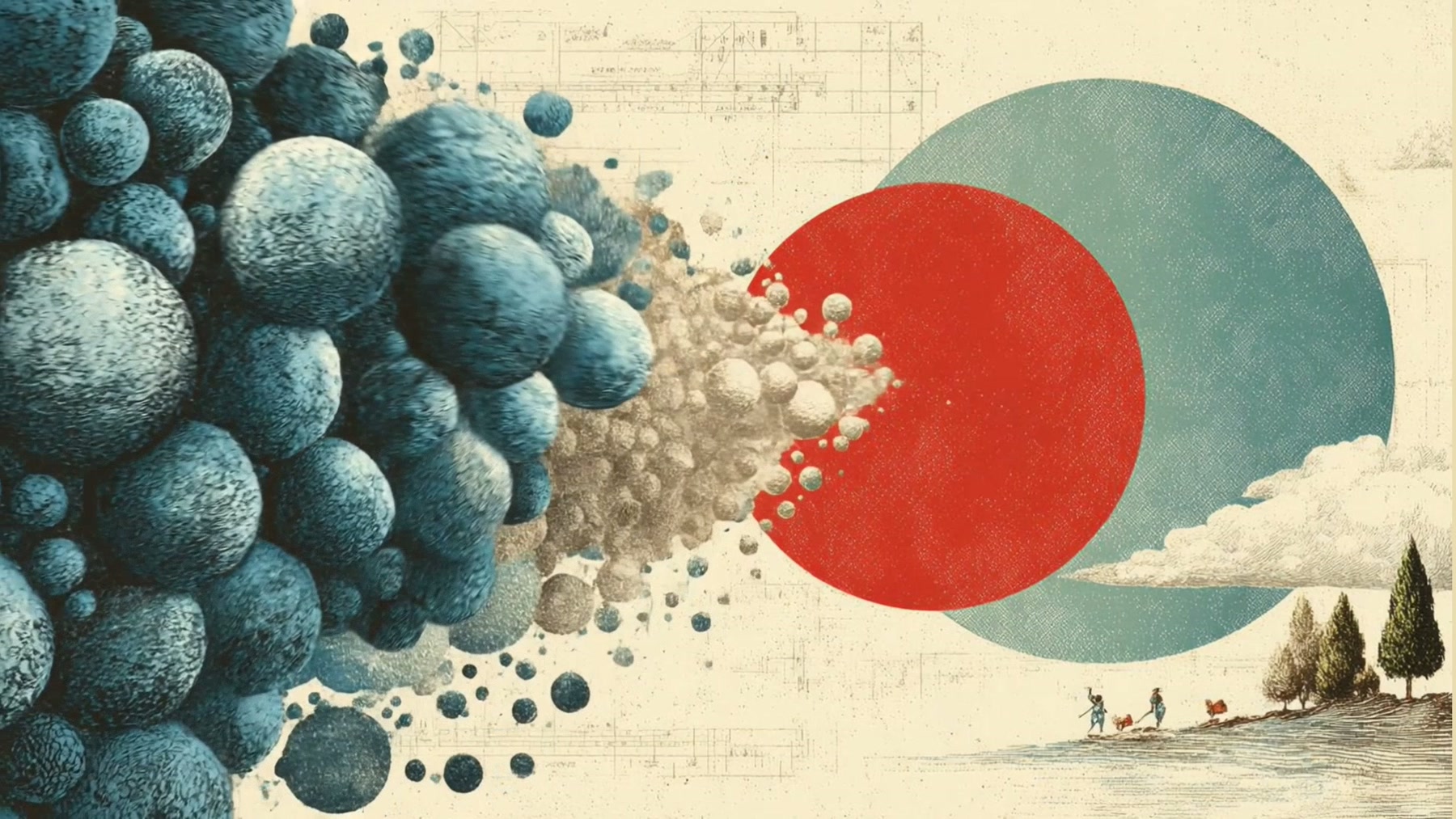
In the 1960s, as NASA prepared to land people on the Moon, serious scientists argued that microbial life might have evolved on the lunar surface — and that if it came back with the astronauts it could contaminate the biosphere and cause a plague worse than any in human history. A network of scientists, officials and civil servants built a quarantine protocol to contain that possibility.
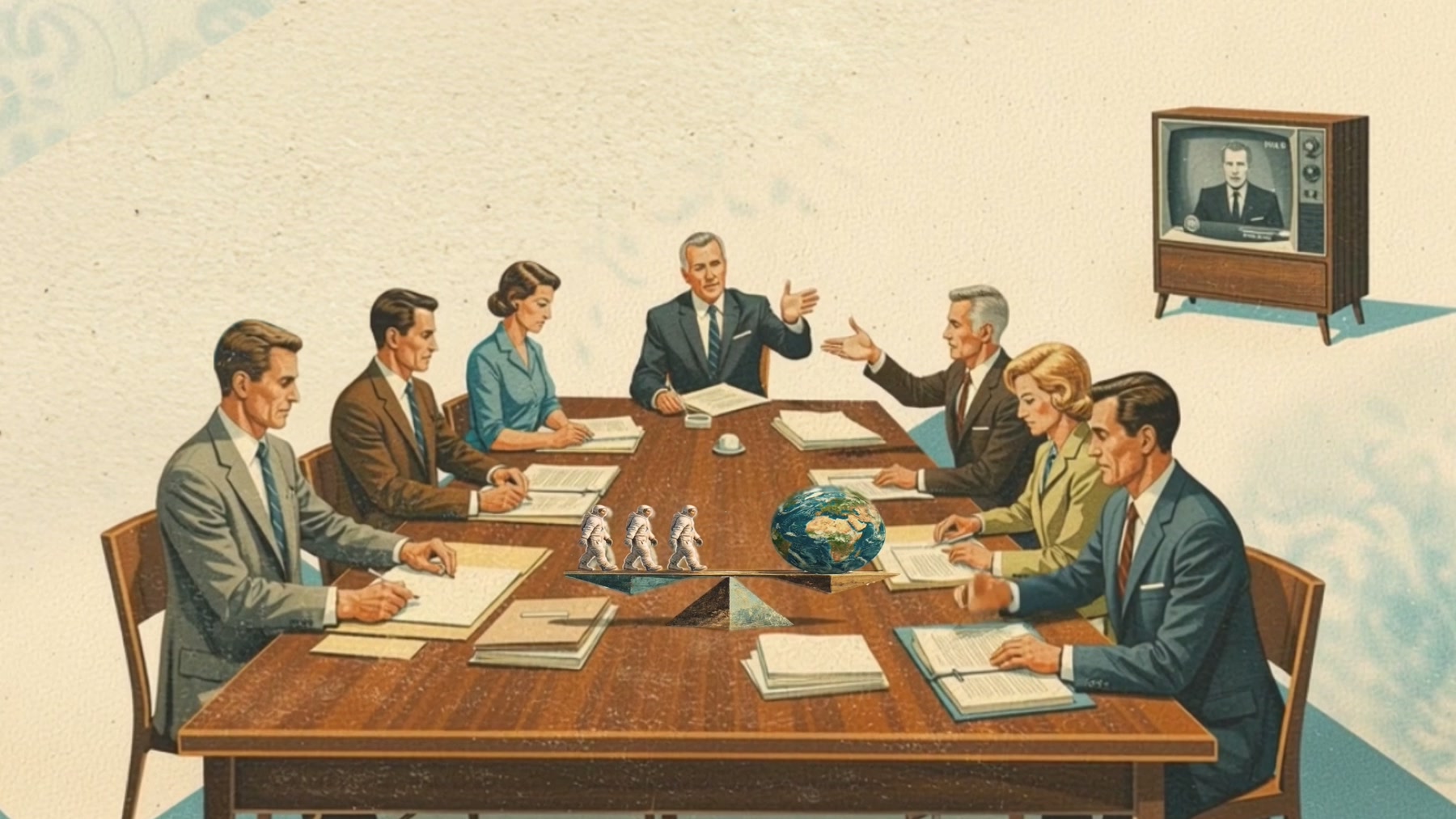
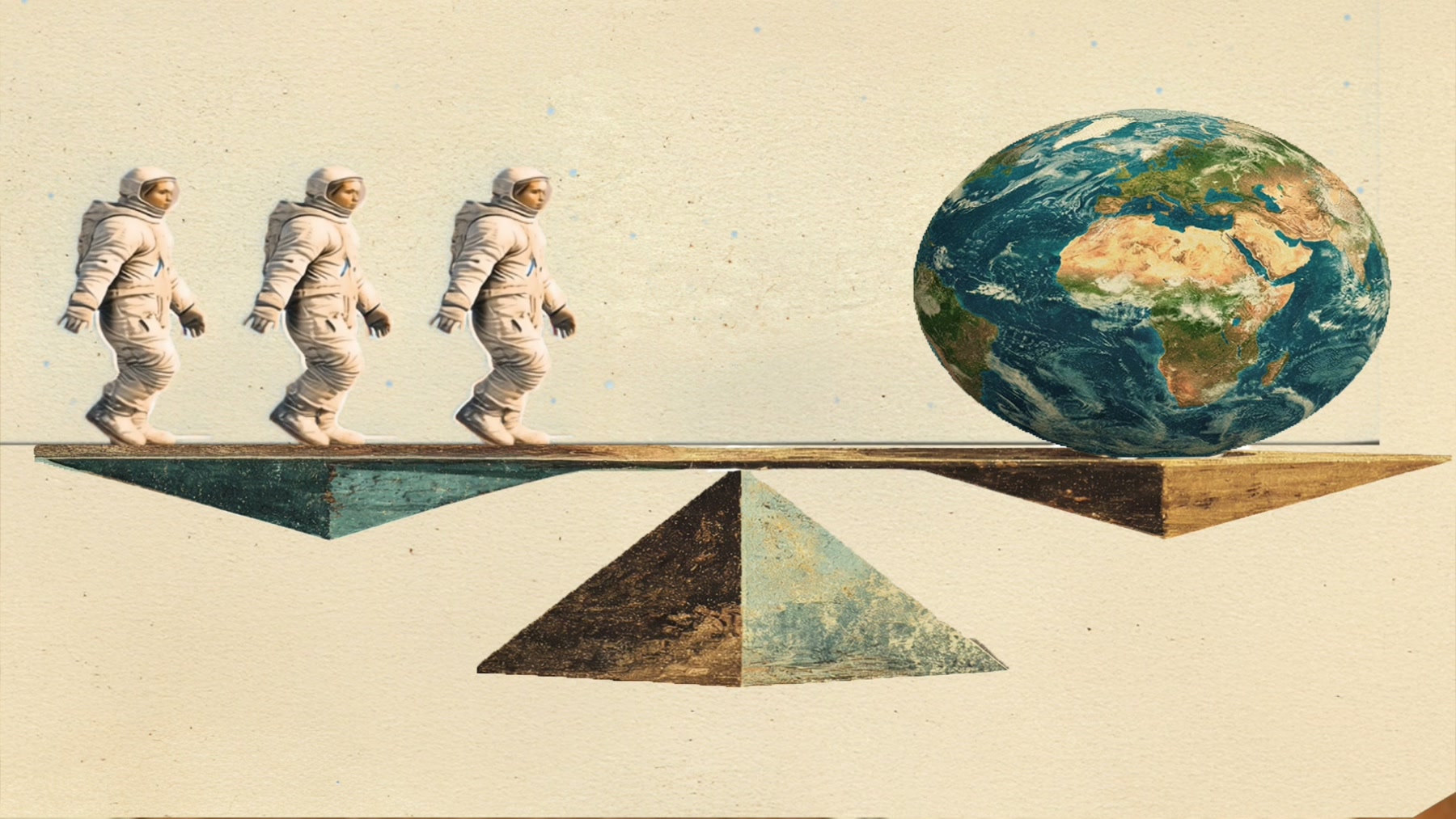
Degroot went through what actually happened. In public, NASA assured policymakers and journalists that no lunar microorganism would escape. In private, the calculation ran the other way: probable risks to three astronauts were weighted above an unlikely — but potentially unlimited — risk to Earth. The protocol was riddled with failures, and many of them were not disclosed.
What makes it a serious piece of history rather than a scandal is the conclusion. Nobody was corrupt. The probability really was low. The astronauts were three known, present human beings and the Earth’s risk was theoretical and unprecedented. This is what a rational risk calculus produces — which is exactly why it is worth understanding.
The aim drafted — for Daniella’s review
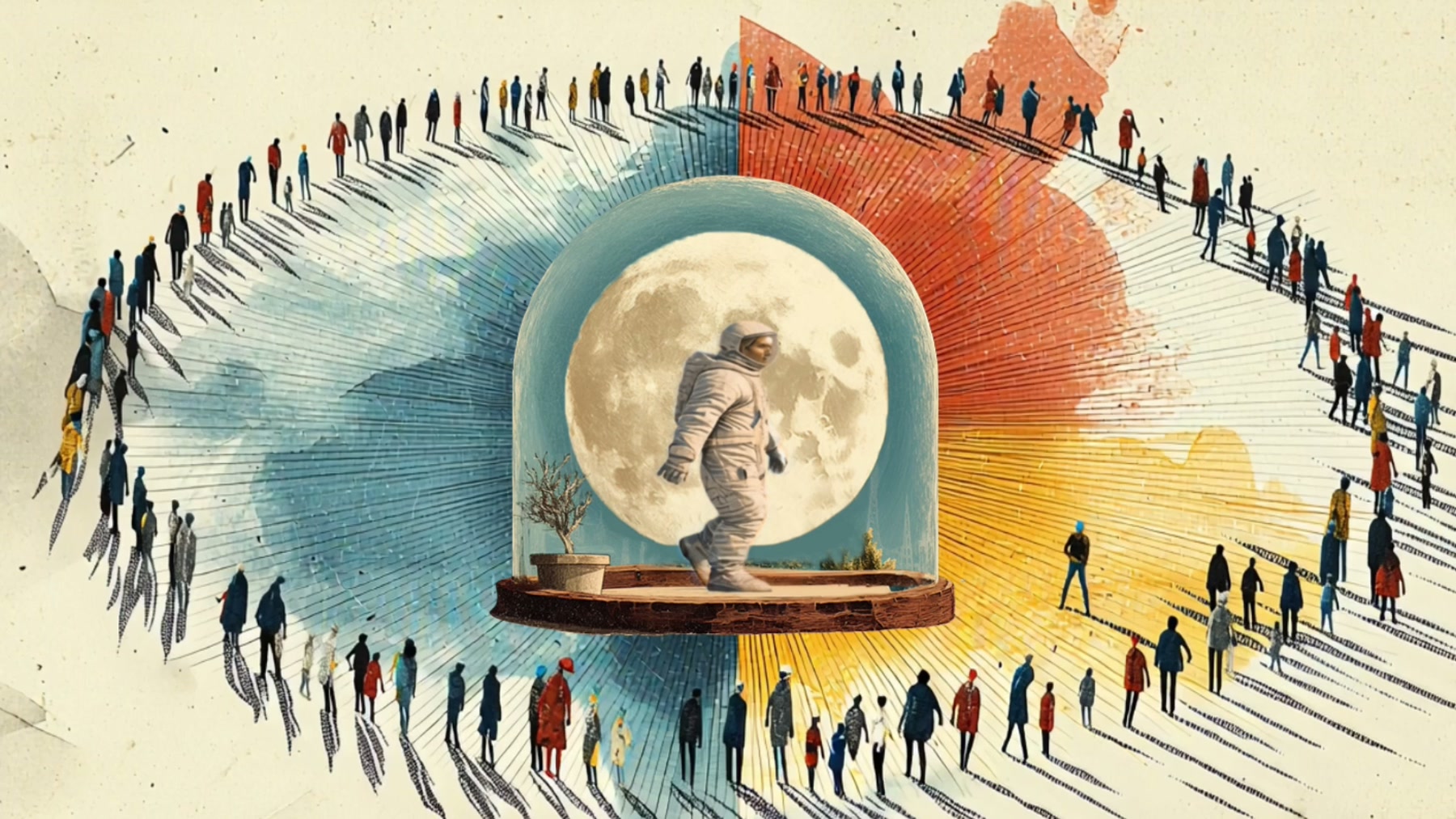
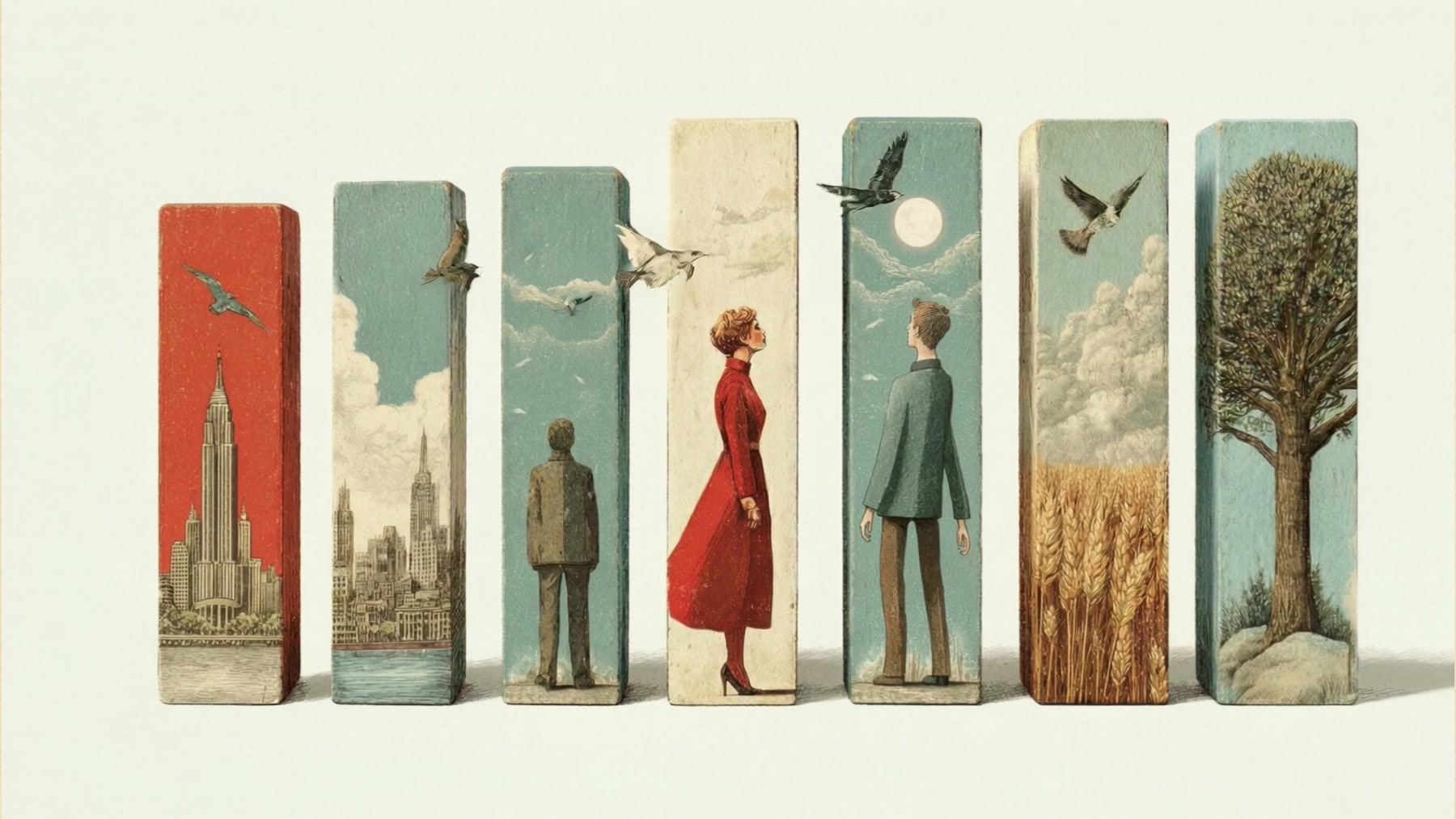
We wanted the film to be about the people, not the procedure — the public and what the public believed, the scientists who speculated, and the officials who had to make the call and absorb the criticism. As Degroot puts it, they gambled the fate of the Earth. So the film shows the Earth, and it shows a great many people, and it stays away from the technical apparatus entirely.
The whole middle of the film is one unbroken chain of transformations, and it carries the argument by itself: the colour split widens into two worlds — Nixon appears at the quarantine trailer’s window — that window becomes a television screen — the television is in a family’s living room — the same television is then in the corner of a meeting room where nobody is watching it. The boundary between what was contained and what was told became a broadcast, and then became background noise in the room where the decision was made.
About the laureate
Dagomar Degroot is a historian of environmental change on Earth and across the solar system, and Associate Professor of Environmental History at Georgetown University. The Dan David Prize selection committee was “impressed with Degroot’s highly innovative and timely research on climate history, that provides a novel emphasis on societal adaptation and survival under extreme conditions and successfully integrates insights from the humanities and the sciences, as well as by his commitment to conveying this work to the broader public.”
How the film is made
Each year the Foundation selects its winners and, with the help of the laureate, chooses the subject of the film they are being honored for. The Foundation’s team, who know that work intimately, help bring it to the page, and we turn it into script, image, register, and motion.
The one thing we keep from them is the film itself. It is made in their honor but held back, so that the first time Dagomar Degroot meets it, in animated form, is the evening of the prize — the very moment they are being celebrated for the work it depicts. That is the part of the project we love: a film that is also a gift, a surprise, revealed in the room where it does its work.
Where the films travel
The Dan David films don’t end their life on the evening of the prize. After the ceremony they travel to YouTube and to the Foundation’s own website, where each one sits alongside the committee’s reasoning for choosing the laureate and further material on the research. The winners are interviewed once the films are public, and those interviews are woven into the published versions.
Credits
Client: Dan David Foundation
Subject: Prof. Dagomar Degroot, Georgetown University
Direction: Daniella Koffler
Animation: Moofa Animation Team
Year: 2026
← All work
Start a conversation →