Source material
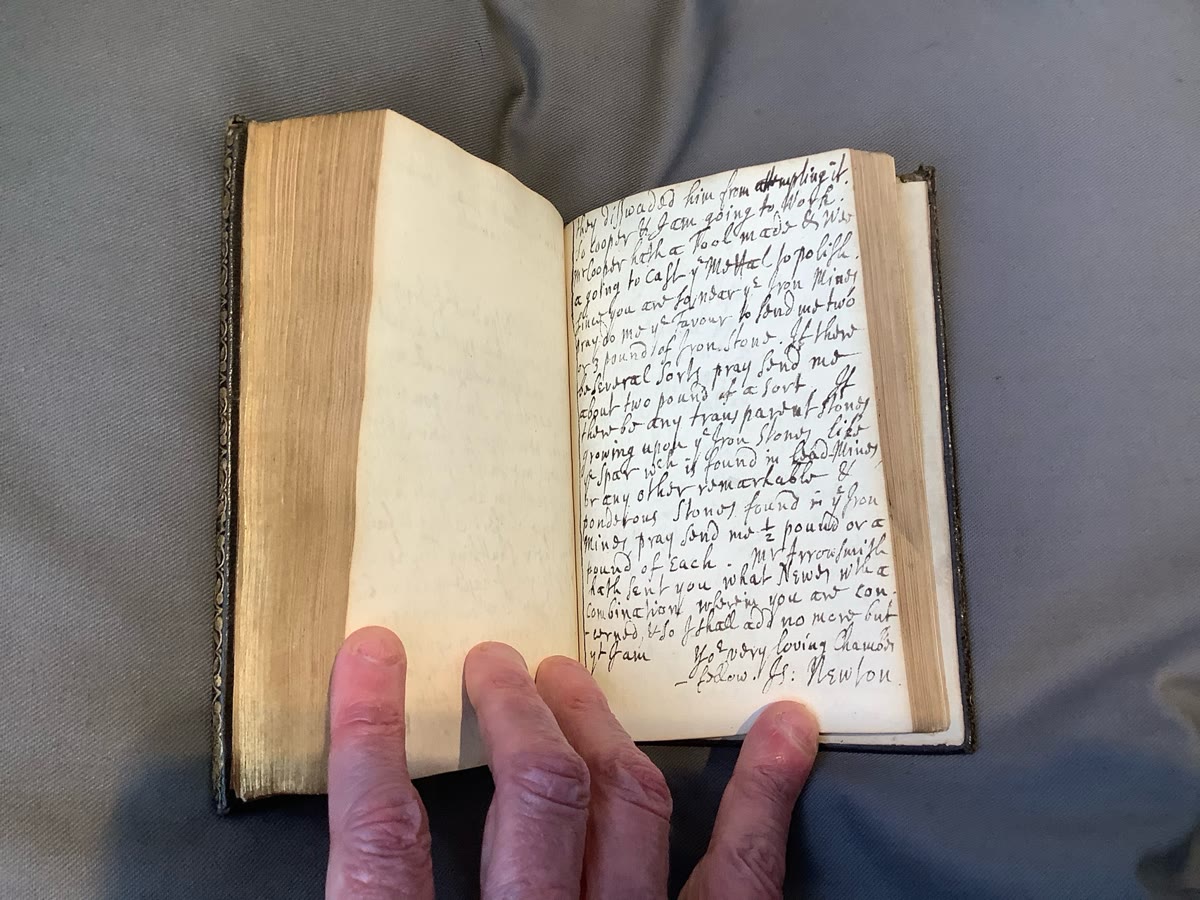
What we did with it
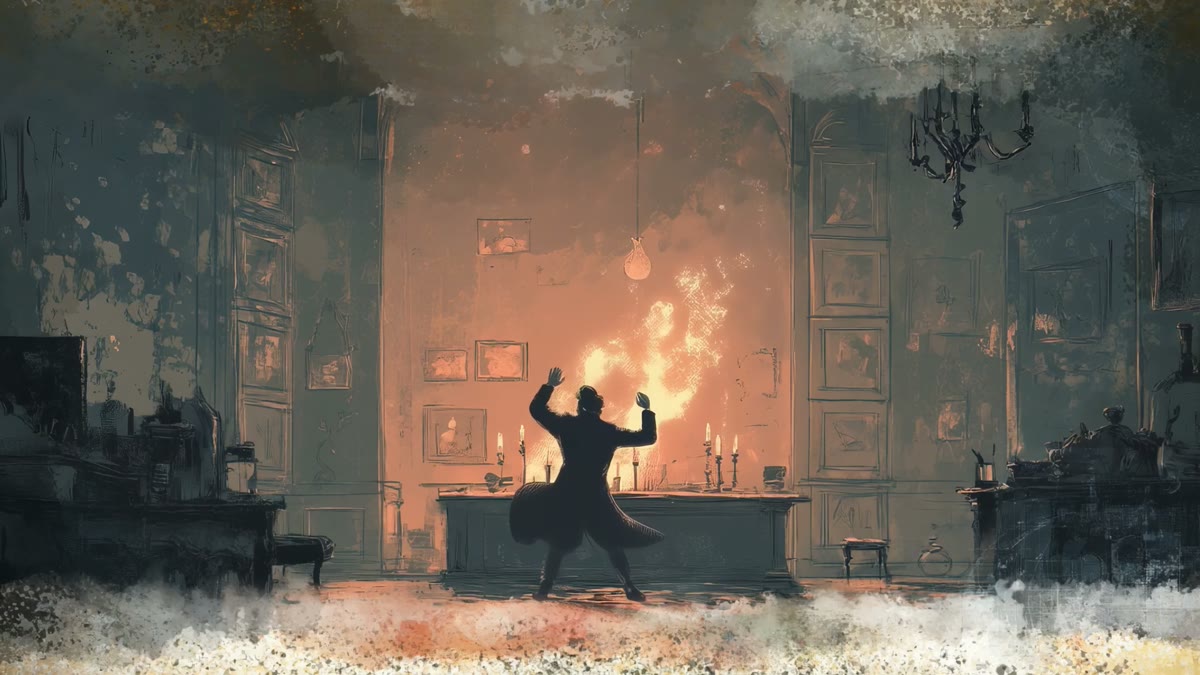
A short tribute on a historian of premodern knowledge who has replaced the myth of the lone genius with something truer and stranger: the crowded, argumentative, book-lined world in which early modern science, philosophy, and scholarship were actually built.
Dmitri Levitin is a historian of premodern knowledge, a Research Fellow of All Souls College at the University of Oxford and affiliated with the University of Utrecht. He works across the histories of science, philosophy, medicine, scholarship, and theology in early modern Europe, and on how Europeans understood the wider world.
His books Ancient Wisdom in the Age of the New Science (Cambridge University Press, 2015) and The Kingdom of Darkness (Cambridge University Press, 2022), both Times Literary Supplement Books of the Year, reconstruct the vast learned world behind the famous names, showing that what we call the Scientific Revolution grew out of scholarship, dispute, and erudition as much as experiment. The Dan David Prize honored Levitin as a historian of premodern knowledge whose work spans the histories of scholarship, science, medicine, philosophy, theology, and European encounters with global societies.
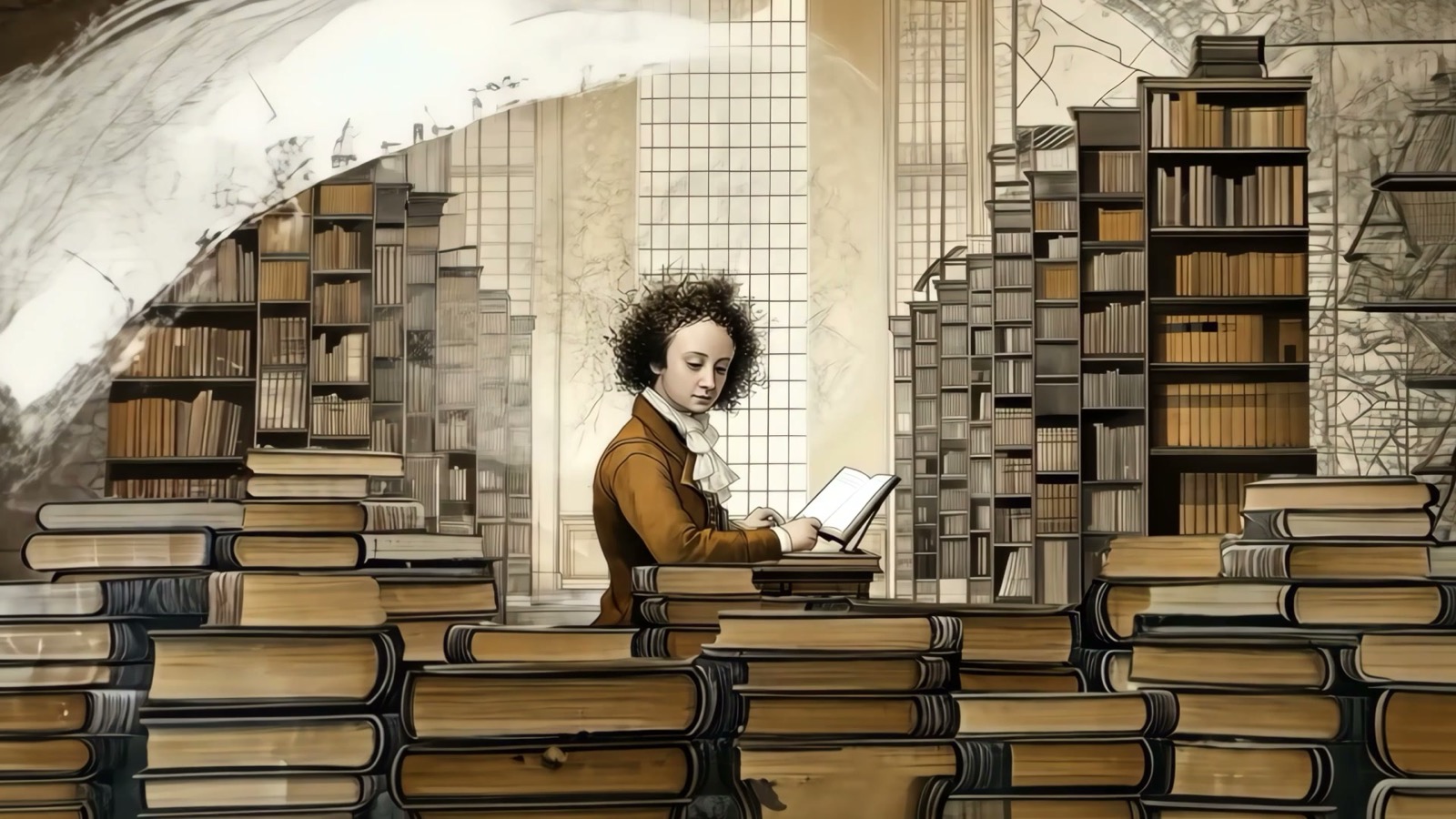
The popular story of early modern science is a story of solitary geniuses and sudden revelations: an apple, a bathtub, a lone mind leaping ahead of its age. Levitin's work dismantles that story. Knowledge, he shows, was made in company, in libraries and letters, in furious disputes between scholars, in the slow, erudite labour of reading everything that came before and arguing about what it meant.
The film's task was to give that truer picture a face. Rather than a single hero, we filled the frame with the world of learning: the study, the library, the instrument, and above all the scholars themselves, talking, laughing, disagreeing across a table. We wanted the viewer to leave with the sense that a discovery is rarely one person's flash of light, but the visible tip of a vast, collective, and deeply human effort to understand.
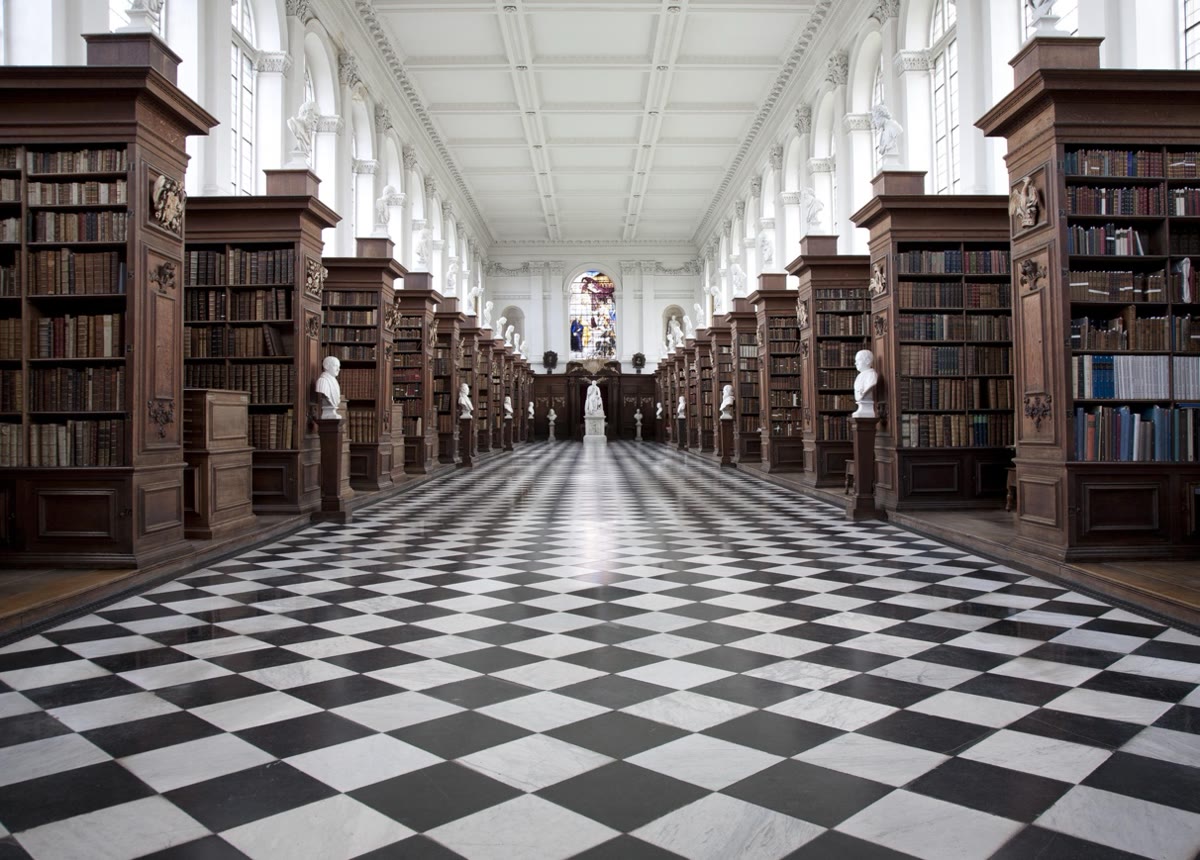
Each year the Foundation selects its winners and, with the help of the laureate, chooses the subject of the film they are being honored for. The Foundation’s team, who know that work intimately, help bring it to the page, and we turn it into script, image, register, and motion.
The one thing we keep from them is the film itself. It is made in their honor but held back, so that the first time Dmitri Levitin meets it, in animated form, is the evening of the prize — the very moment they are being celebrated for the work it depicts. That is the part of the project we love: a film that is also a gift, a surprise, revealed in the room where it does its work.
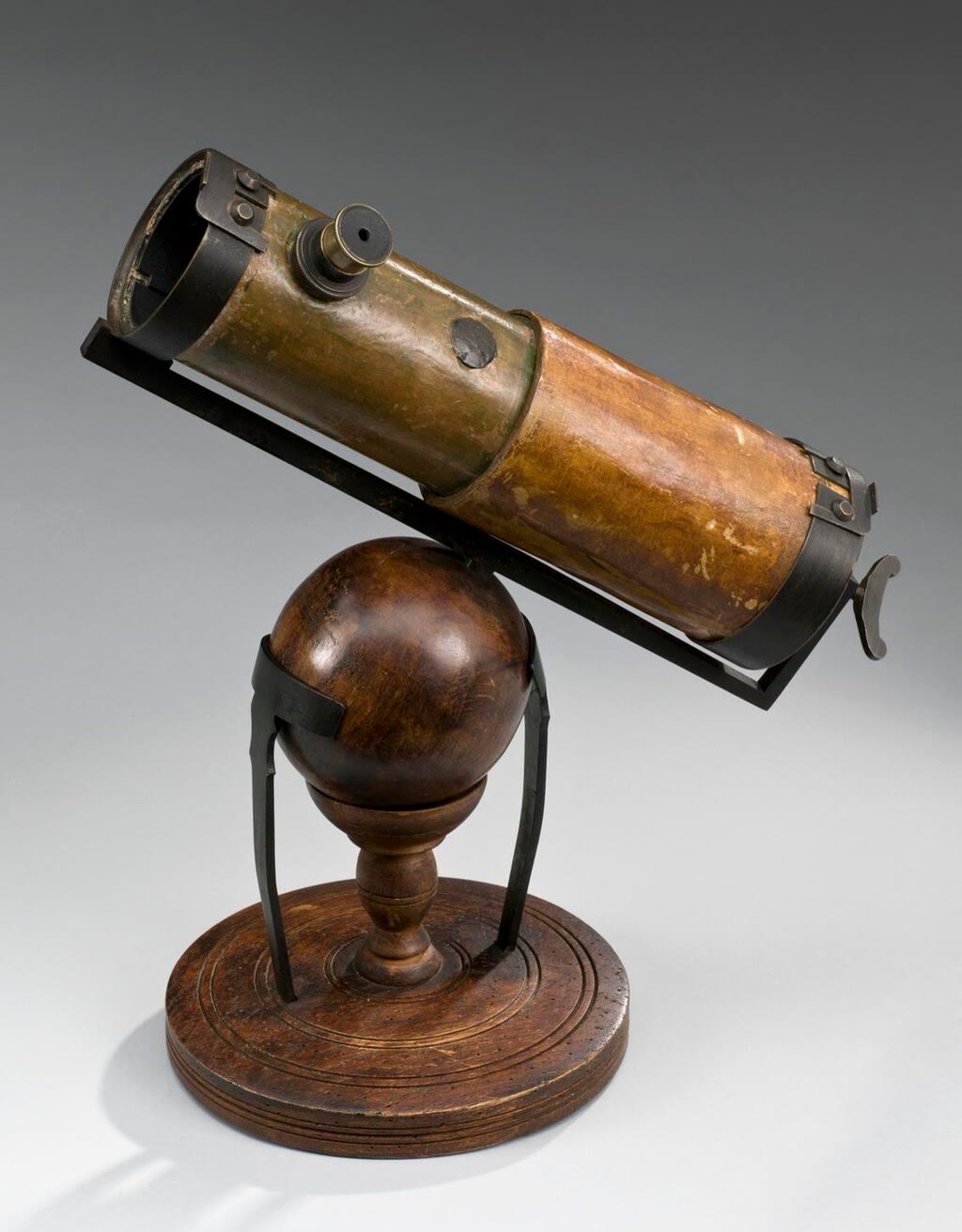
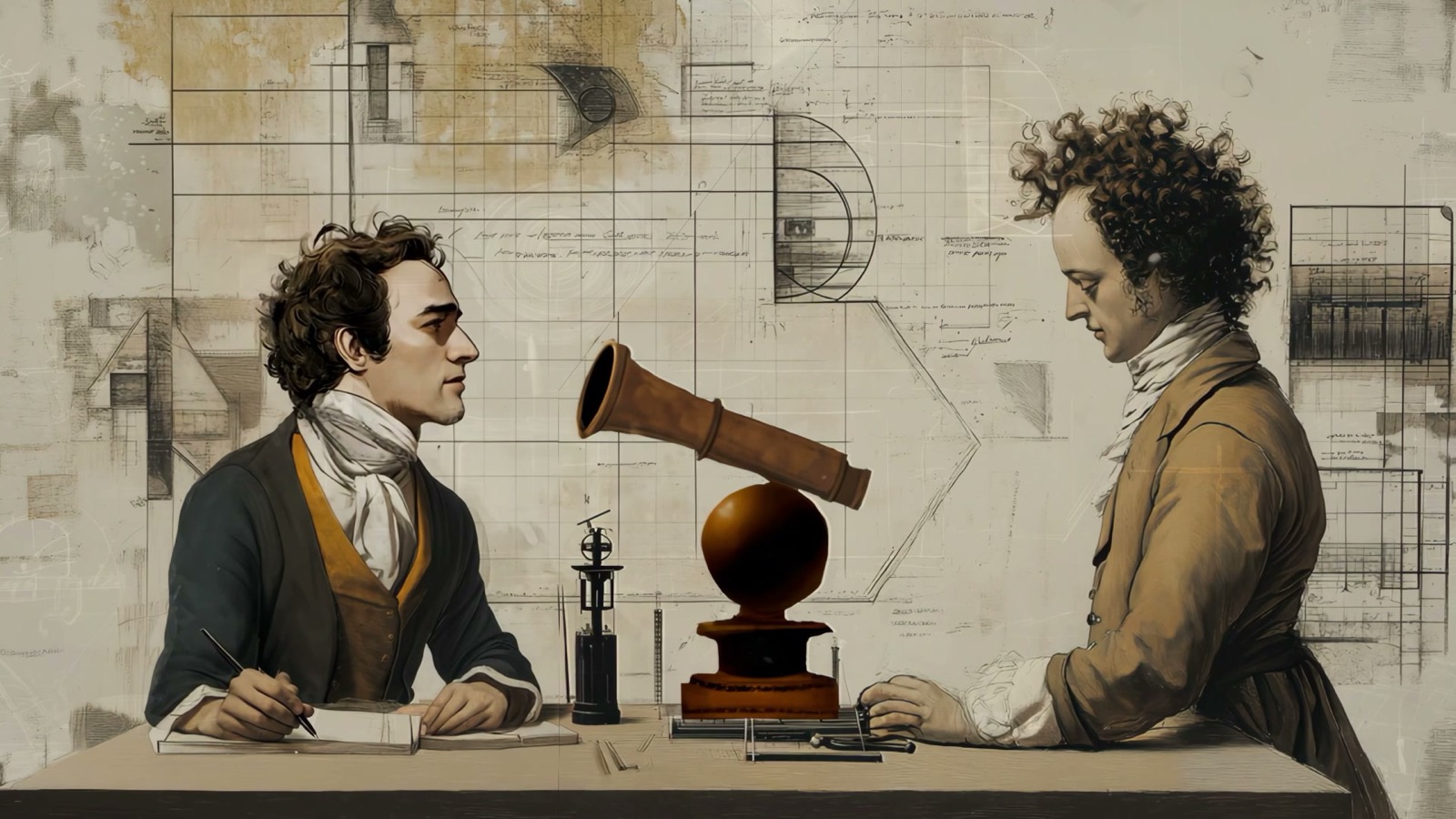
The Dan David films don't end their life on the evening of the prize. After the ceremony they travel to YouTube and to the Foundation's own website, where each one sits alongside the committee's reasoning for choosing the laureate and further material on the research. The winners are interviewed once the films are public, and those interviews are woven into the published versions. Several laureates carry the films further still, into their teaching, playing them for graduate seminars, public lectures, and visiting audiences as a way of explaining, in a few minutes, what they have spent careers on.
You care about your subject.
So do we.
Client: Dan David Foundation
Subject: Dr. Dmitri Levitin, All Souls College, University of Oxford & University of Utrecht
Direction: Daniella Koffler
Animation: Moofa Animation Team
Year: 2025