Source material
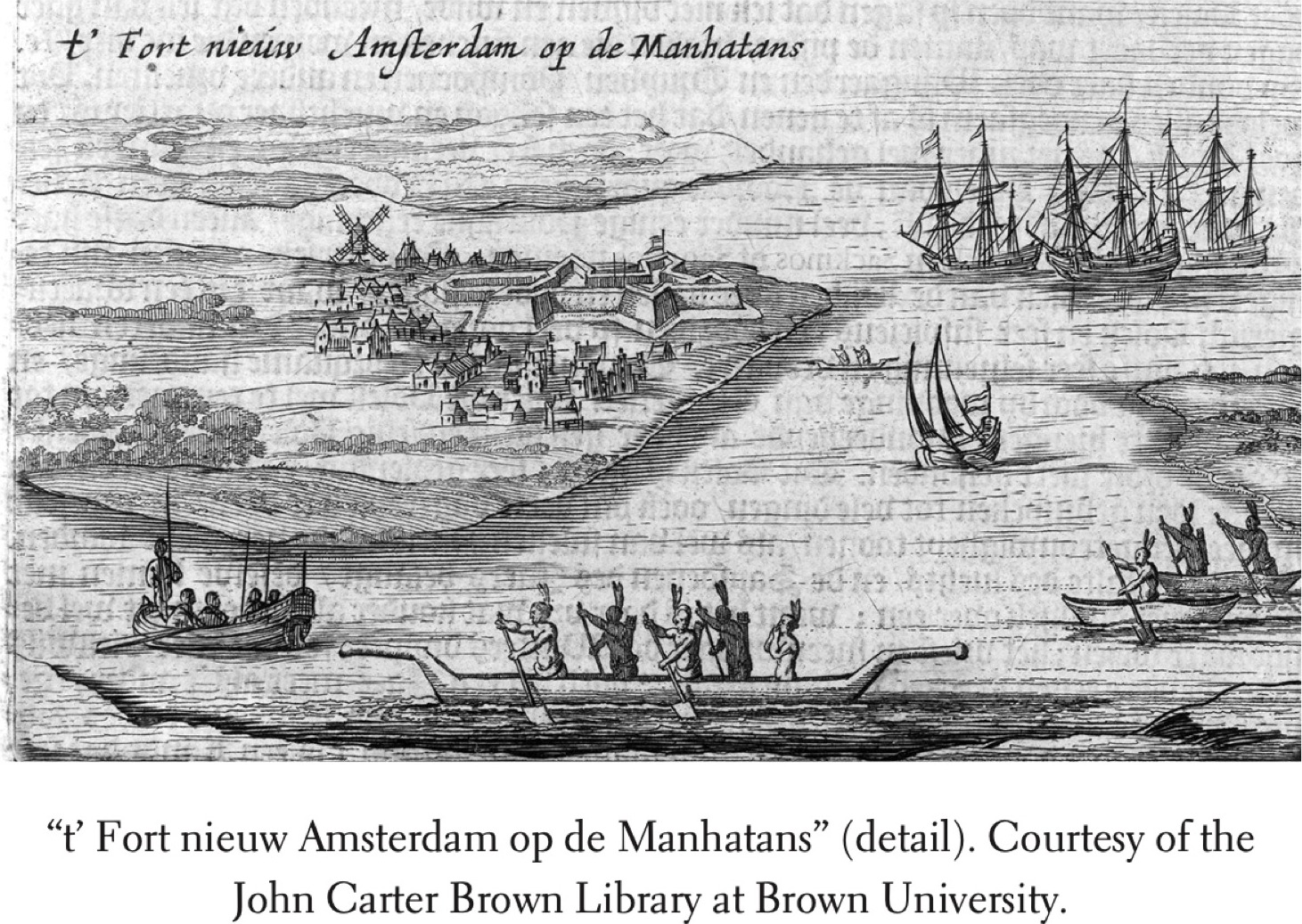
What we did with it
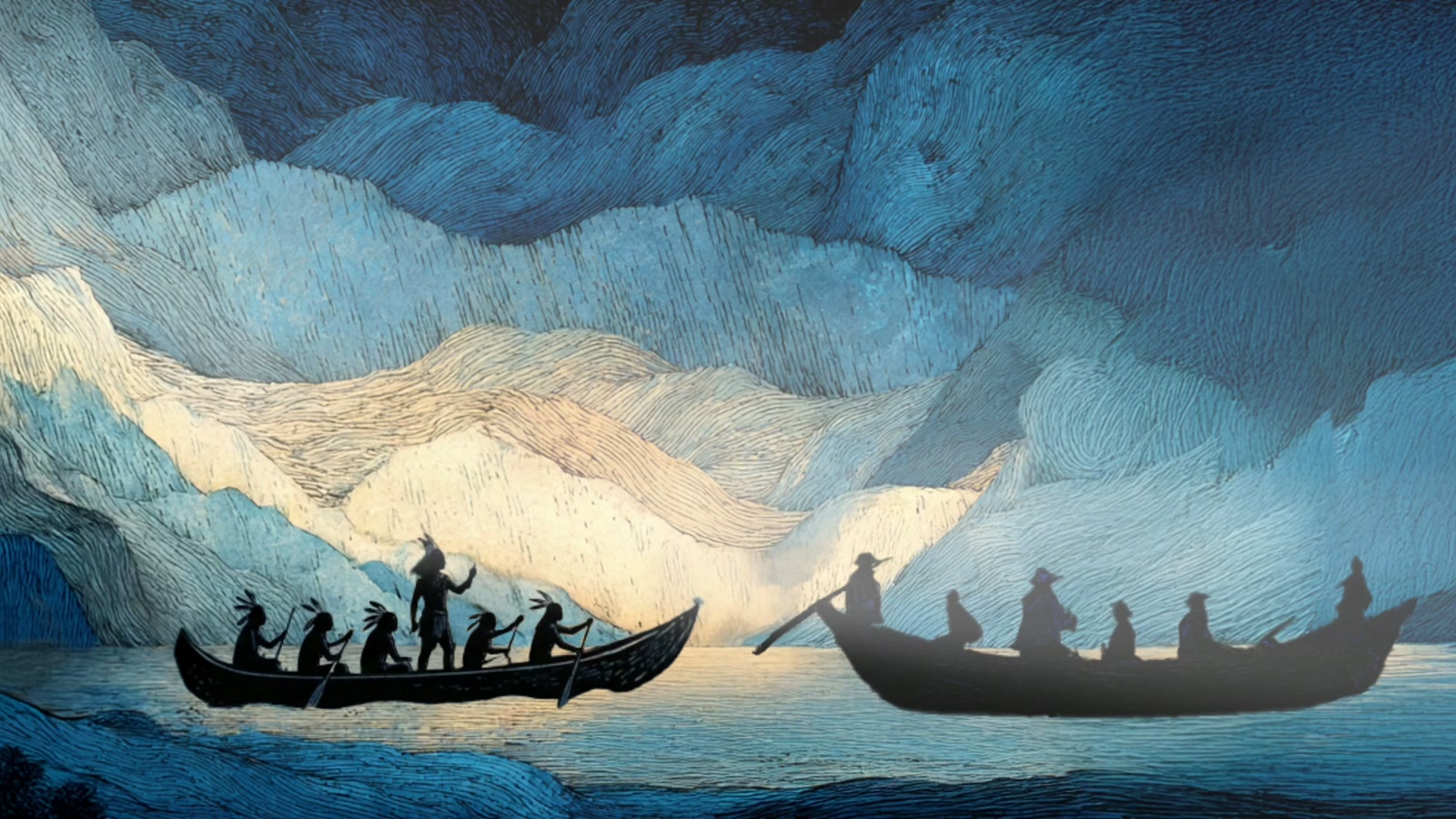
A three-minute tribute on a historian of the early American coast, and on the forty years of failed colonial whaling that ended only when Long Island settlers began working with their Montaukett, Corchaug and Shinnecock neighbours.
Andrew Lipman is a Professor of History at Barnard College and a historian of early America and the Atlantic world. His first book, The Saltwater Frontier: Indians and the Contest for the American Coast (Yale University Press, 2015), won the Bancroft Prize in American History. His second, Squanto: A Native Odyssey (Yale University Press, 2024), won the PROSE Award in Biography. His work is about the sea: how Native and European people met, competed and worked on the water, and how the coast itself shaped colonial America.
The Dan David Prize selection committee lauded “Lipman for his imaginative approach to the history of the early Americas, and noted the way he navigates profound archival silences to recover Indigenous voices through a unique blend of creative biography and environmental history.”
For roughly forty years, colonists in the Northeast tried to start a shore whaling industry and failed. The Dutch set up a station in Delaware Bay in 1634 and struck seventeen whales in four months — ten of which swam away. English ventures in Connecticut and on Long Island declared their intent to hunt and produced no oil at all. Then, in the late 1660s, Long Islanders suddenly began filling barrels. What changed was that they started working with their Montaukett, Corchaug and Shinnecock neighbours.
The reason is not sentimental, and the film is careful about that. The sea hunt required knowledge of migration routes and feeding grounds, the patience to wait for a whale to surface, the confidence to launch a small boat through surf, the ability to find land without instruments, and the endurance to row a carcass home. Every one of those was a traditional strength for Native seafarers and a point of weakness for European mariners. The film’s aim was to show skill, not folklore — which is also why we did not put anyone on a whale’s back.
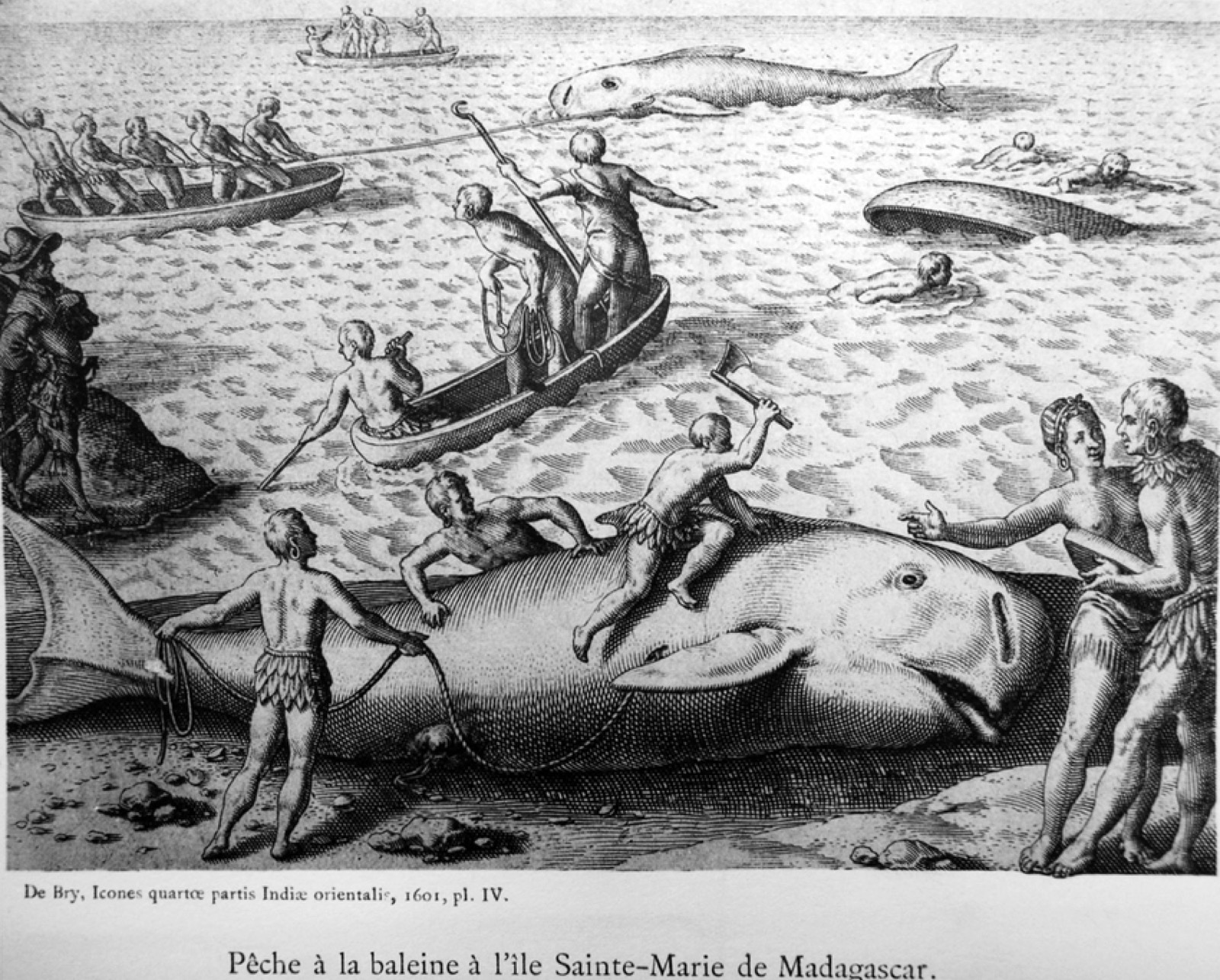
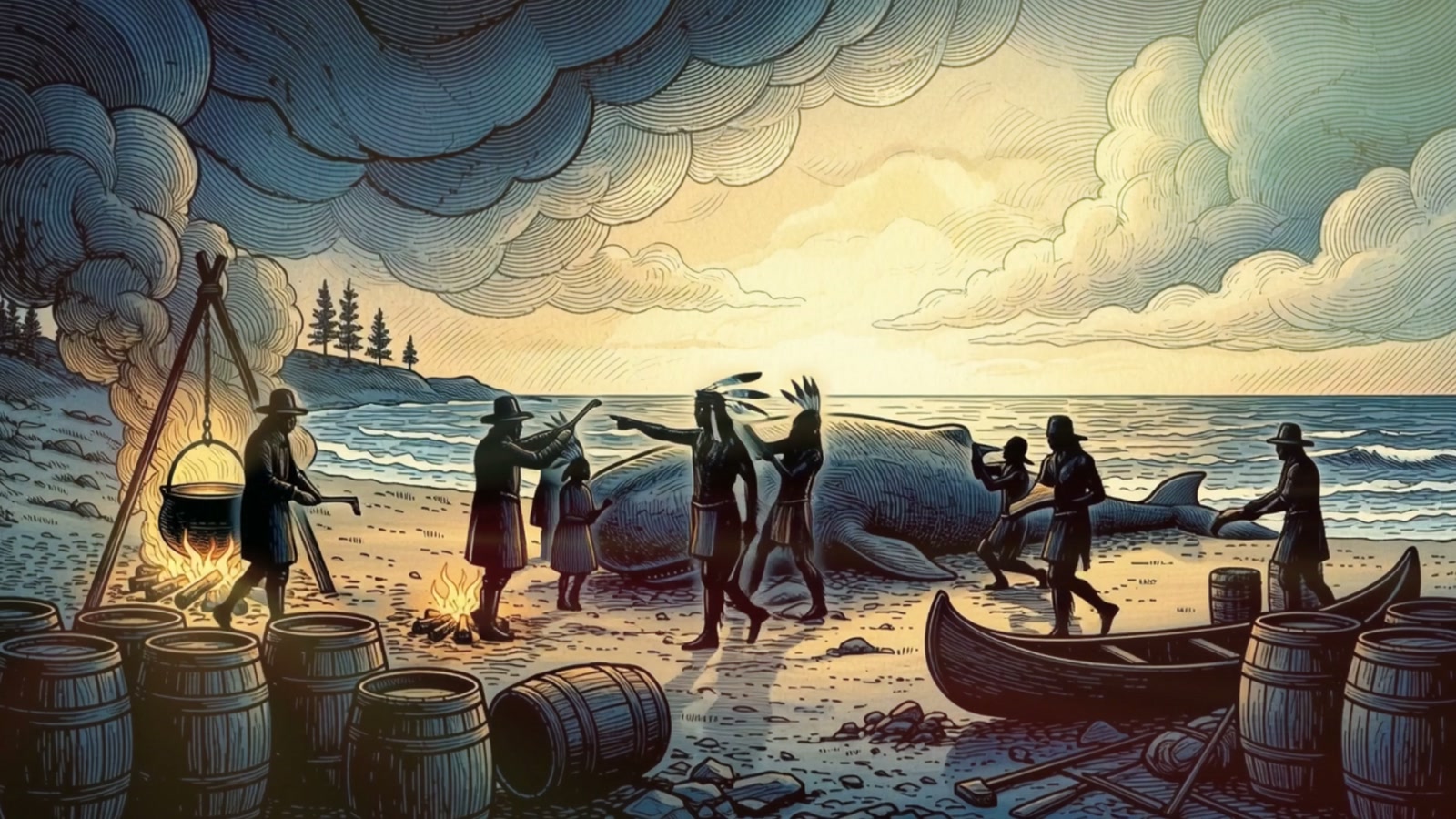
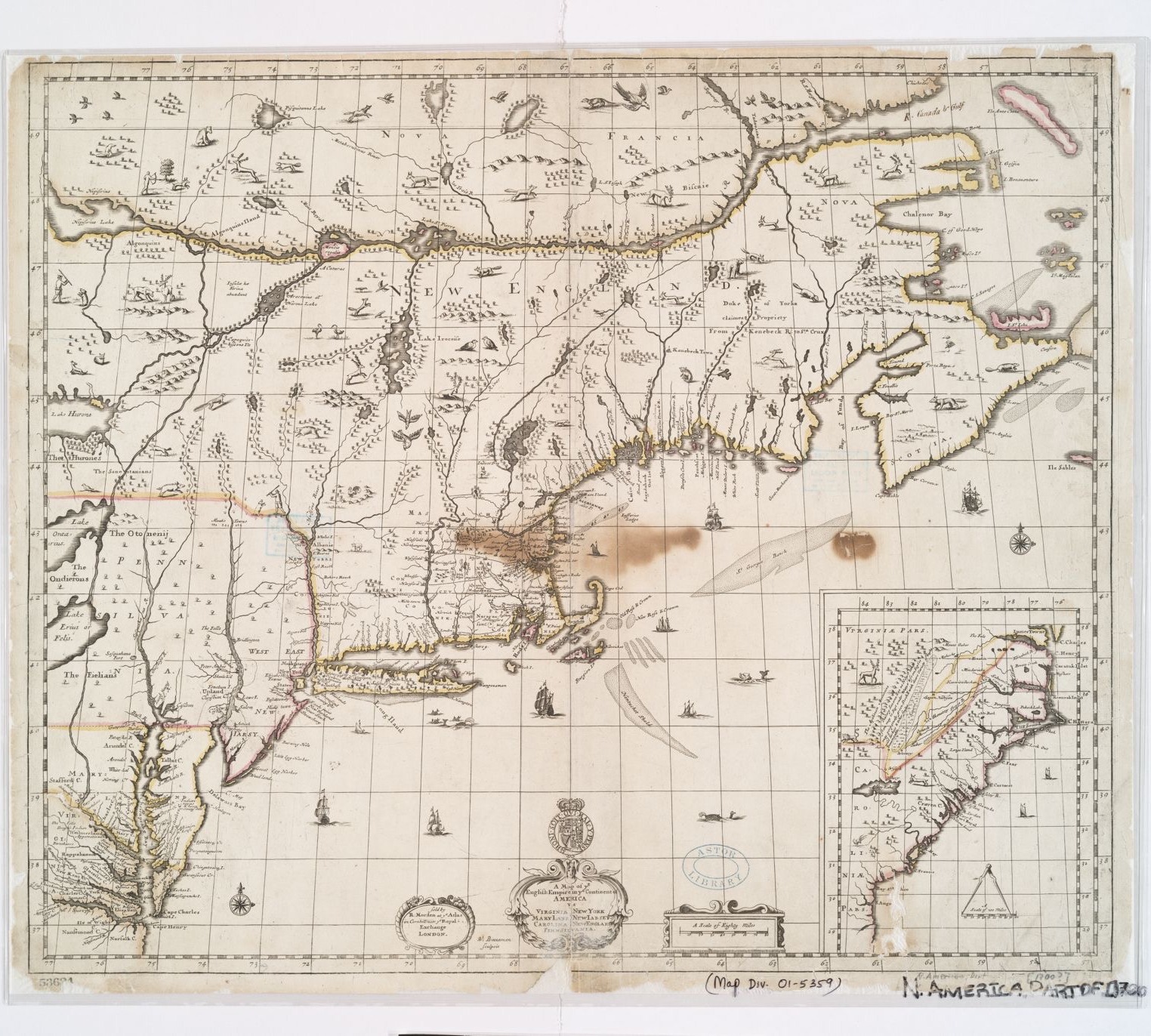
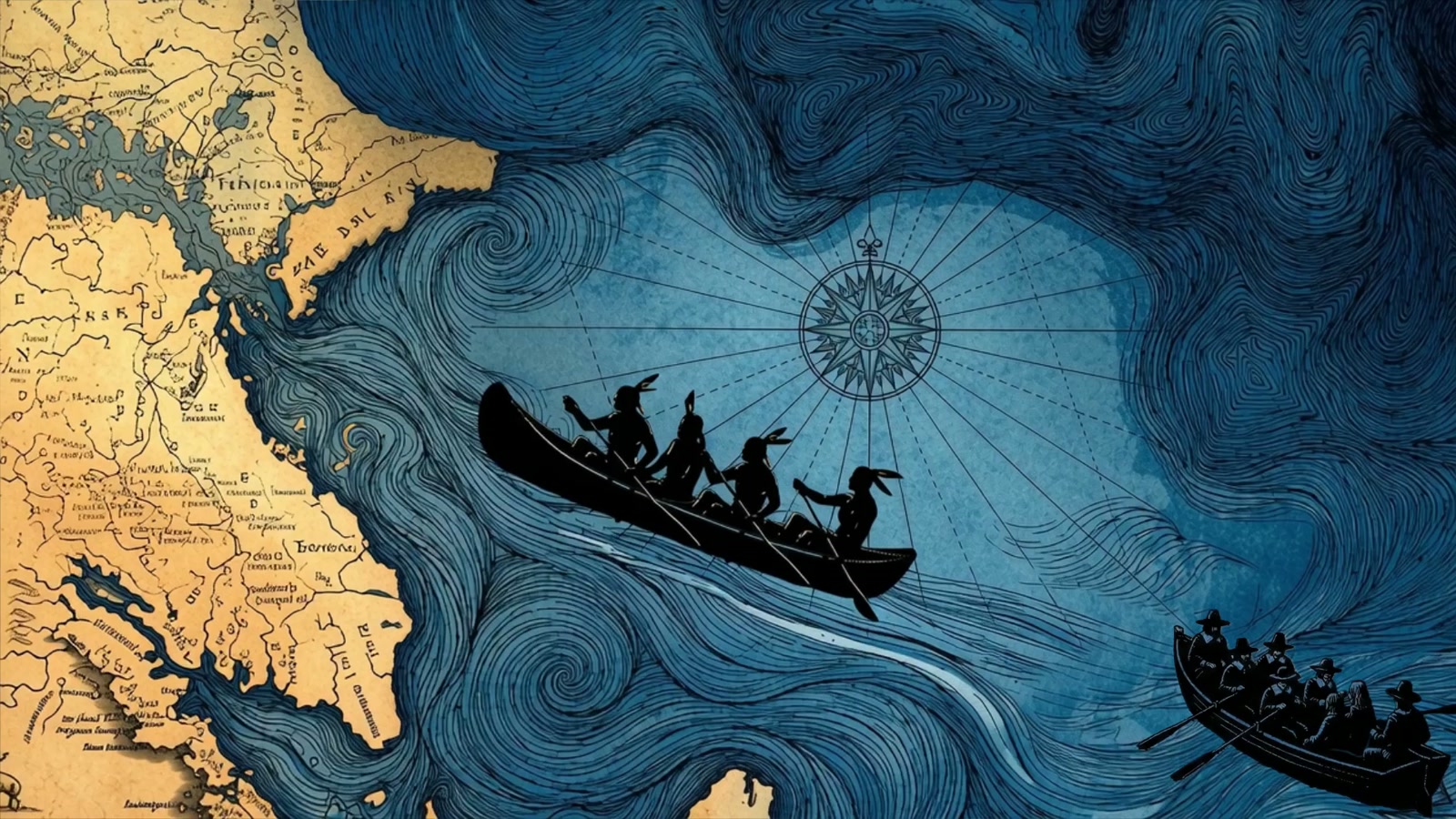
Each year the Foundation selects its winners and, with the help of the laureate, chooses the subject of the film they are being honored for. The Foundation’s team, who know that work intimately, help bring it to the page, and we turn it into script, image, register, and motion.
The one thing we keep from them is the film itself. It is made in their honor but held back, so that the first time Andrew Lipman meets it, in animated form, is the evening of the prize — the very moment they are being celebrated for the work it depicts. That is the part of the project we love: a film that is also a gift, a surprise, revealed in the room where it does its work.
The Dan David films don’t end their life on the evening of the prize. After the ceremony they travel to YouTube and to the Foundation’s own website, where each one sits alongside the committee’s reasoning for choosing the laureate and further material on the research. The winners are interviewed once the films are public, and those interviews are woven into the published versions.
You care about your subject.
So do we.
Client: Dan David Foundation
Subject: Prof. Andrew Lipman, Barnard College
Direction: Daniella Koffler
Animation: Moofa Animation Team
Year: 2026