The subject
In August 1953 the United Daily News in Taiwan reported the discovery of an intersex soldier, Xie Jianshun. Within a week the press had stopped describing a Republican soldier whose ambiguous sex provoked official anxiety, and started describing the “first” Chinese transsexual — the Chinese Christine, after the American ex-G.I. celebrity Christine Jorgensen. Xie was subsequently reassigned as a woman.
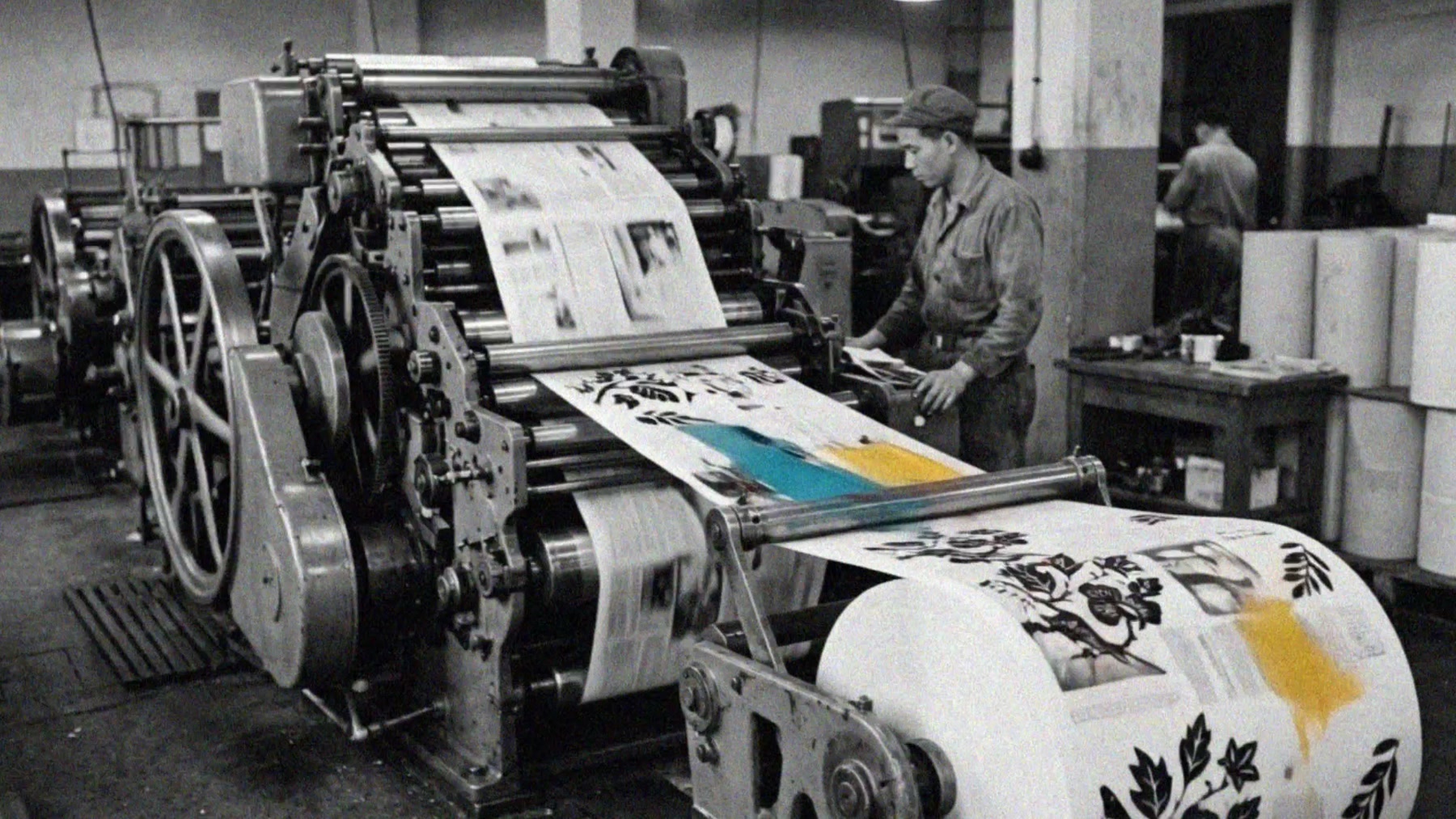
Chiang’s work is about what the coverage did. The comparison between the two Christines — one Sinophone, one Anglophone — became an arena for arguing over whether Xie qualified as a woman, whether medicine could transform sex, and what distinguished Taiwan from the West. The term bianxingren entered ordinary speech. An identity was being manufactured in newsprint, and it was doing political work.
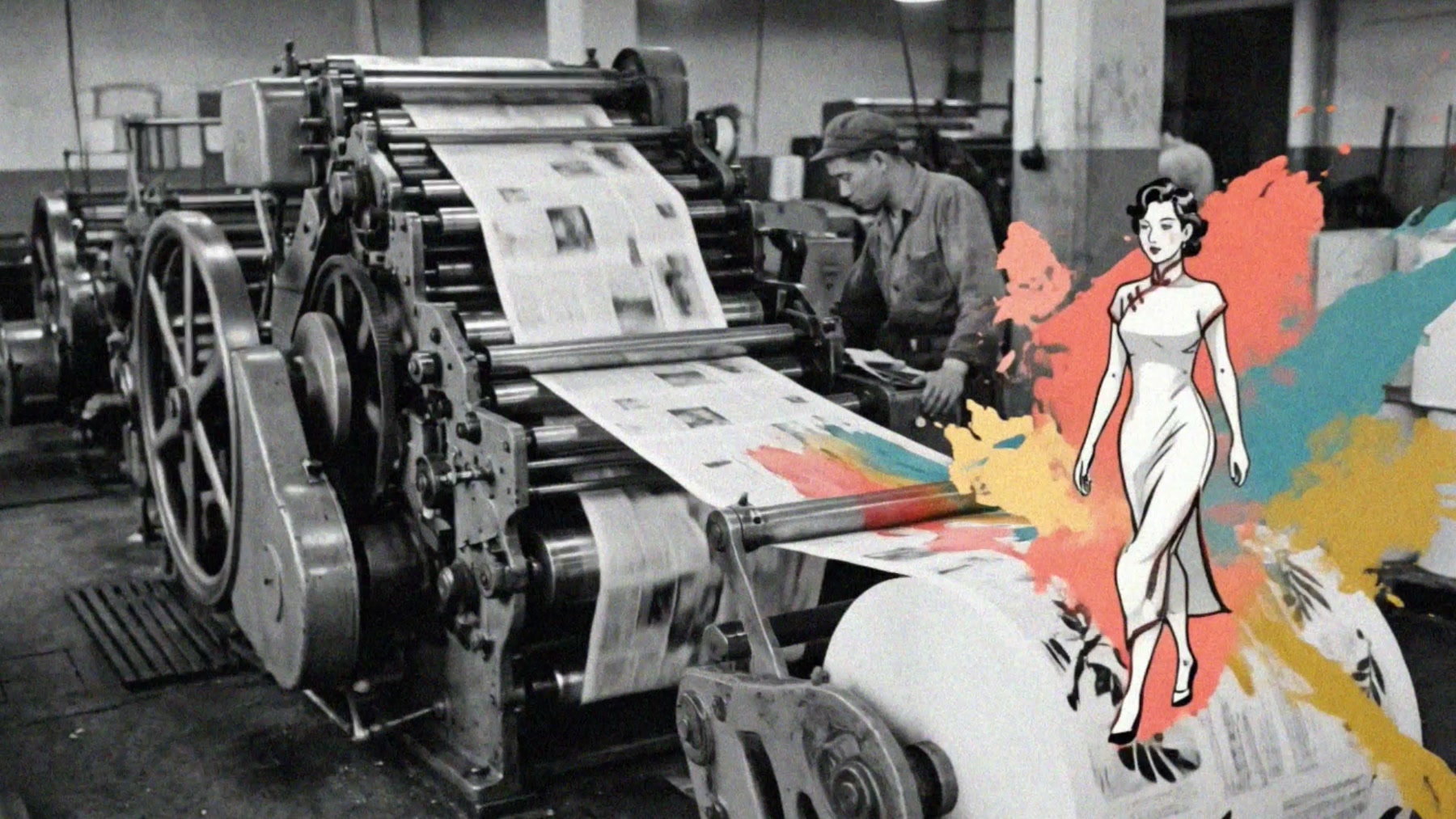
Almost no usable photograph of Xie survives. What survives in quantity is the press — considerably more of it than Chiang expected to find. So the film is not a portrait. It is about the newspaper, and about the anonymous readers in Taiwan who met her there.
The rule the film is built on drafted — for Daniella’s review
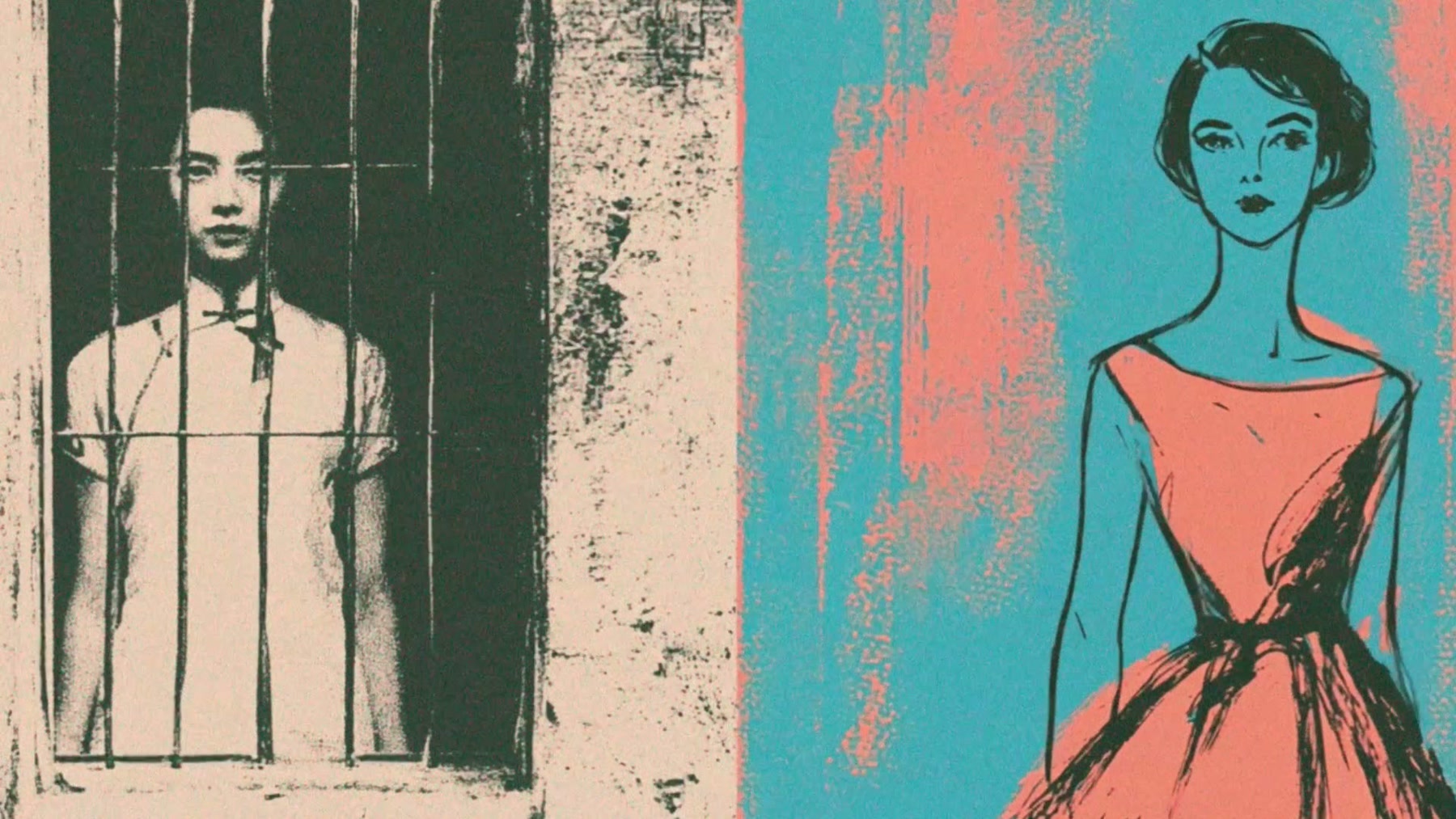
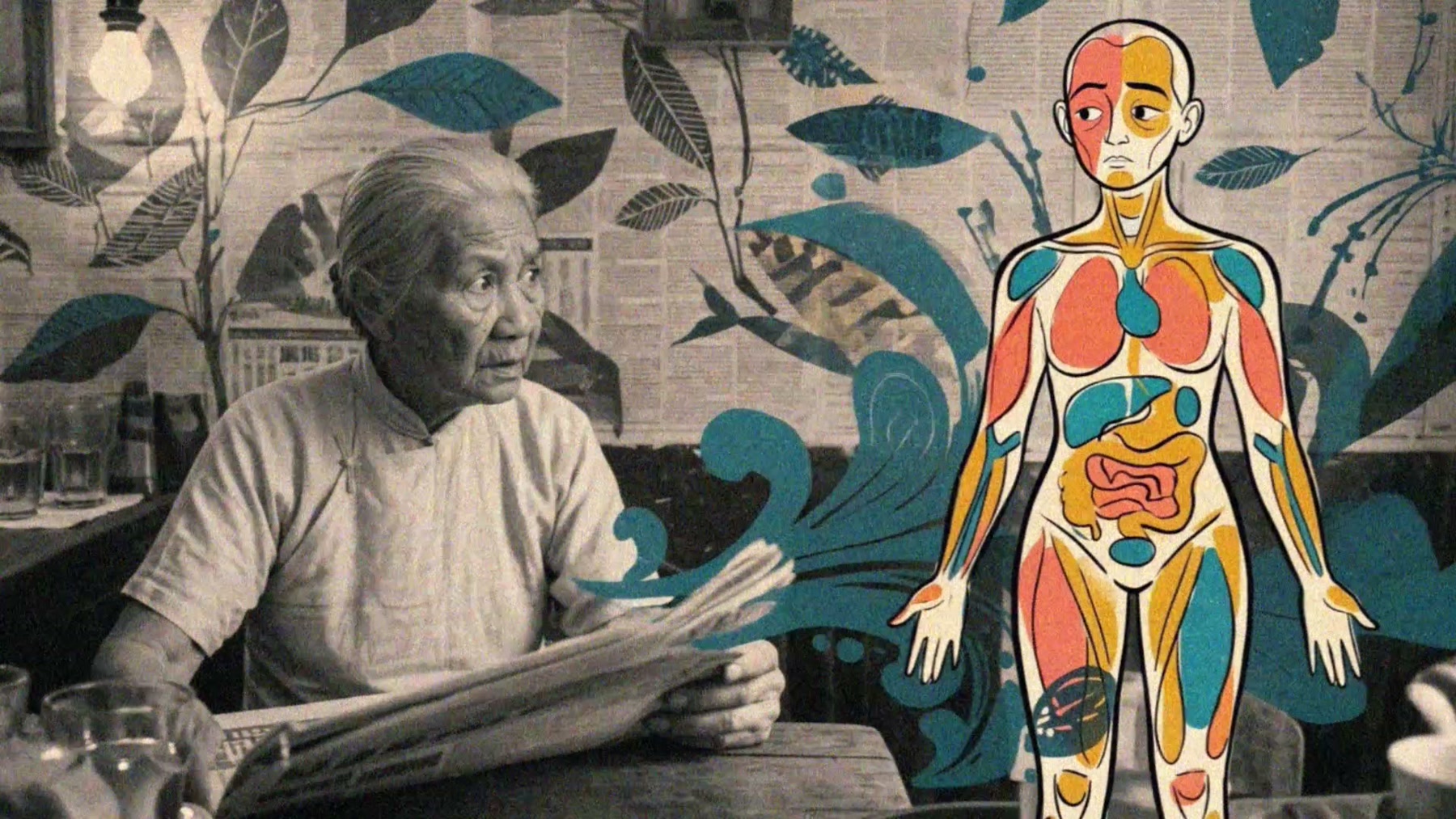
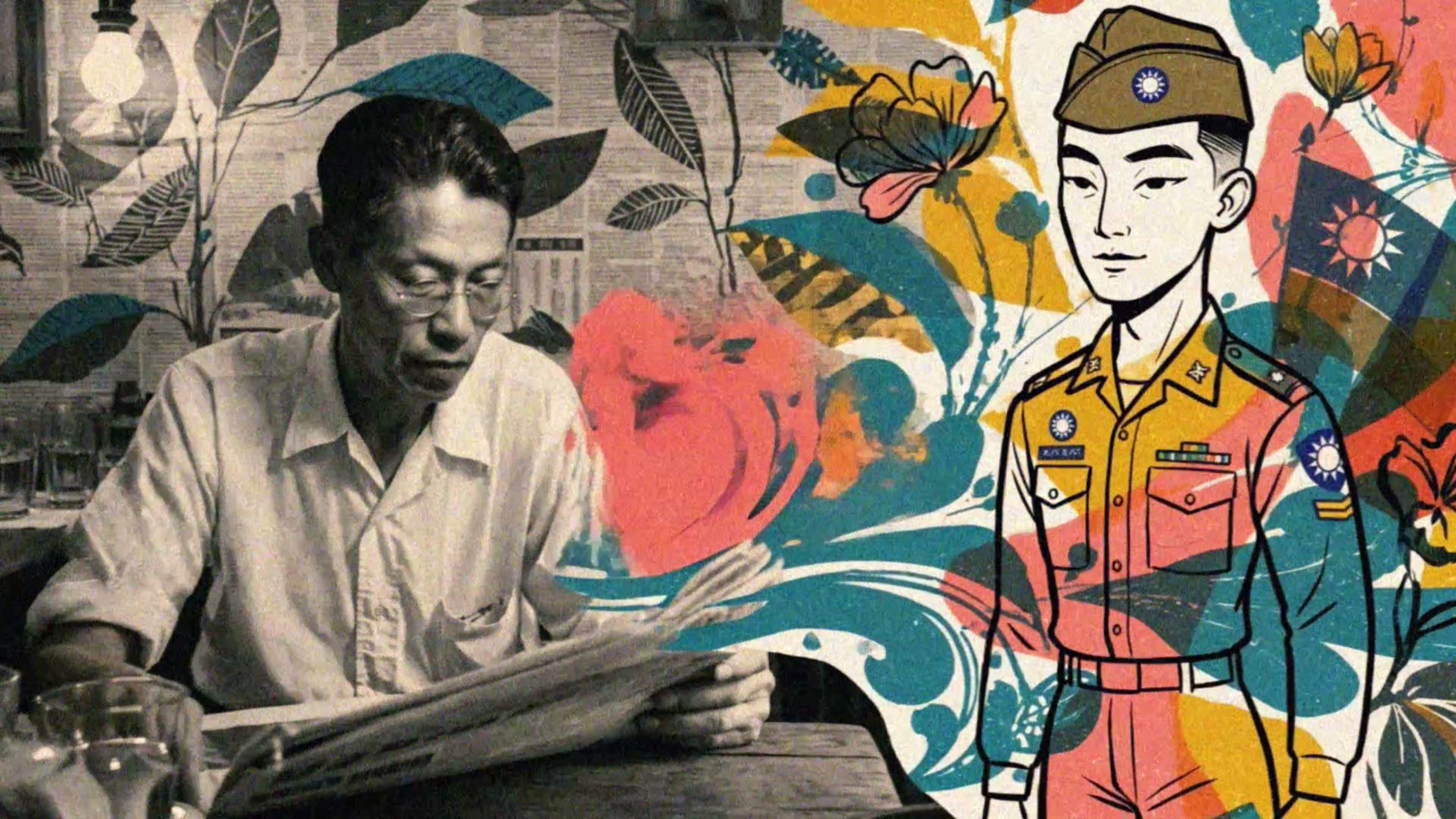
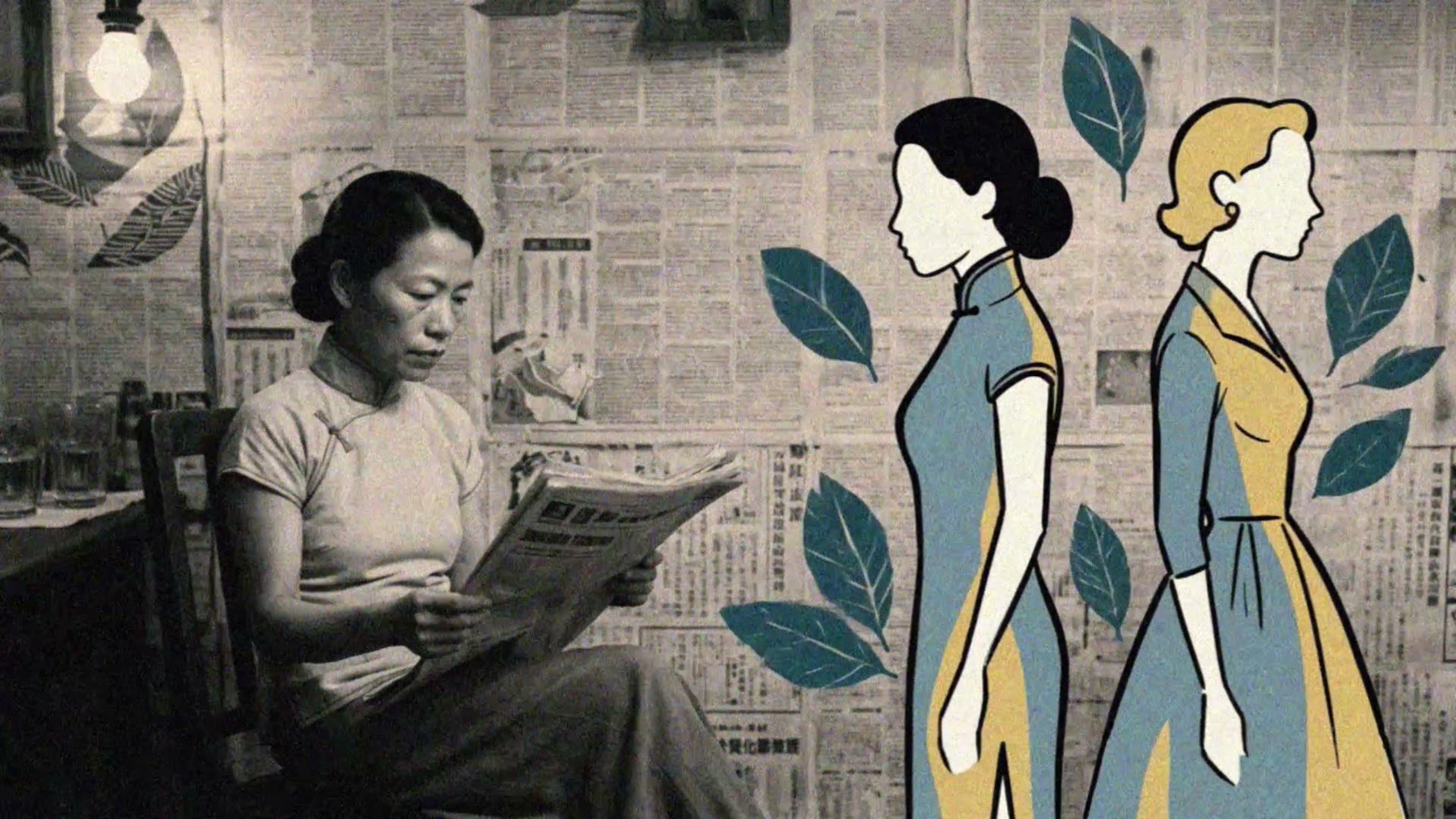
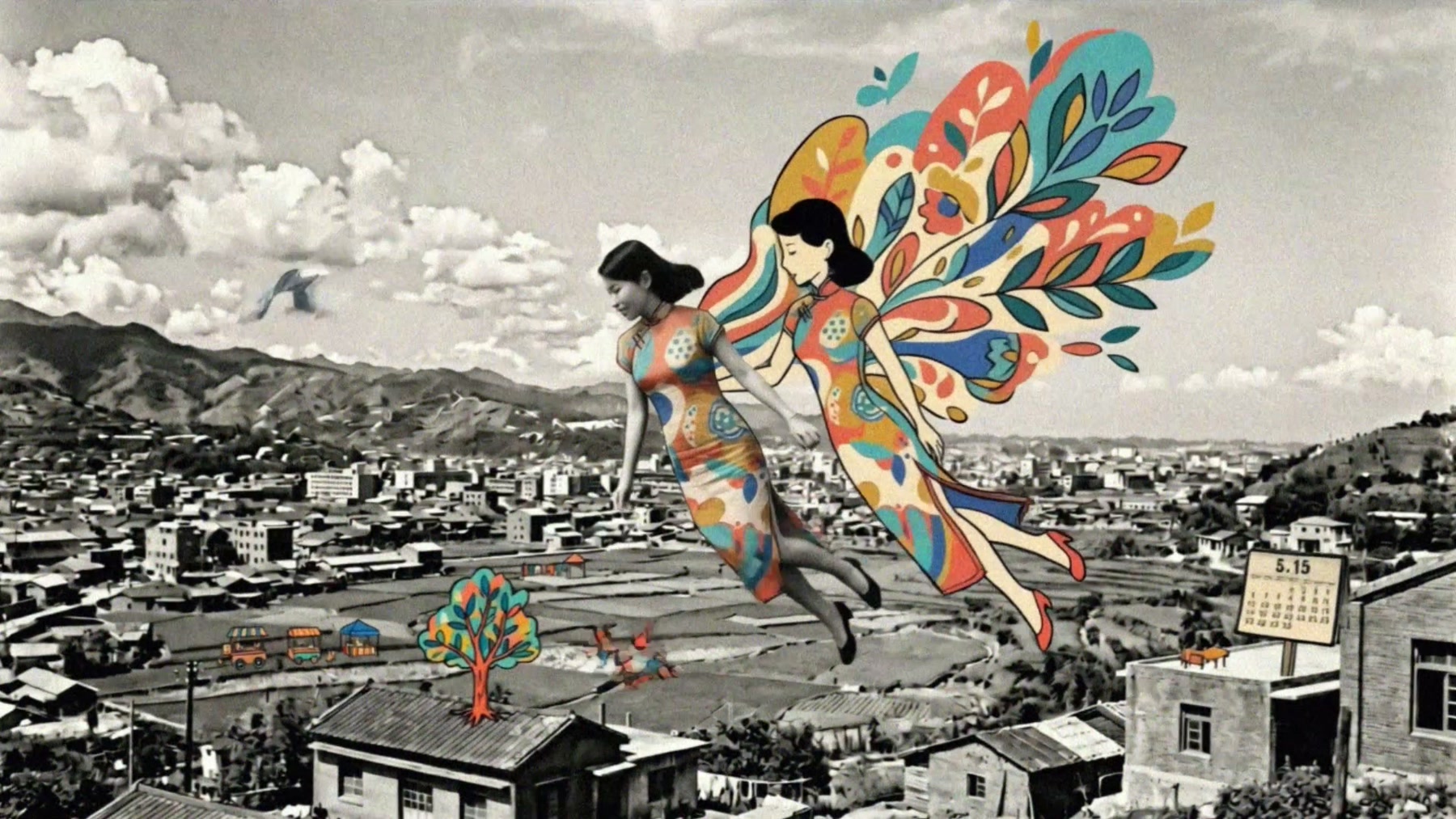
Two registers, and they never merge. Reality is photographic and black and white — the real Taiwan of 1953, tiled roofs, laundry, alleys, market stalls. Colour only appears when interpretation enters. Every drawn figure, every coral and teal wash, is something a person is imagining, aspiring to, or being told.
That single constraint does the whole argument. The photograph cannot hold Xie, because the categories available in the photograph could not hold her. So the film does not draw her into the picture. It gives what the press made of her a separate visual existence — ink line, Risograph colour, mis-registration, the printed quality of a magazine that travelled — and lets the two layers sit in contact without resolving. Neither cancels the other. That refusal to resolve is the film’s claim.
And the newspaper is the vector. The camera is never its subject; we only follow the trace it leaves on people. A vendor hands a folded paper to a man, he carries it down an alley, and the colour blooms on the walls behind him. The idea is in the city before anyone says it out loud.
Reconstructing 1953
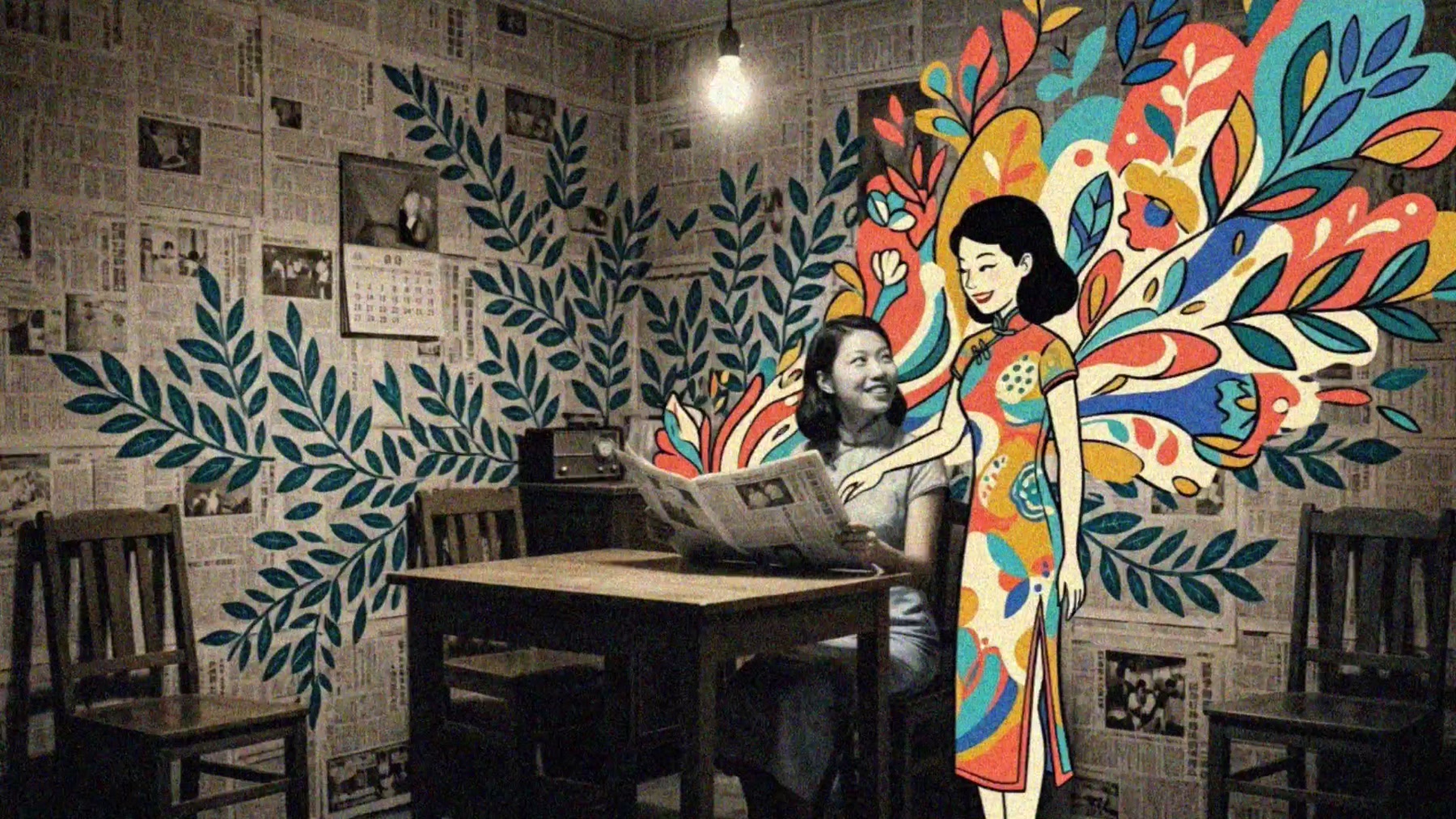
There was very little to build from. No usable portrait of Xie, and no photographic record of the rooms where any of this was read. The Taiwan of this film — the market stalls, the tiled roofs, the alley walls, the newsprint pasted over an interior wall, the bare bulb over a family table — was reconstructed from period reference and built shot by shot.
That reconstruction is the reason the film can hold two registers at once. The photographic world had to be convincing enough to read as documentary, so that the illustrated figures entering it would read as something else: not people, but what people were being told.
Four readers, four Christines
The centre of the film is one family at one table under a bare bulb, and the newspaper passing from hand to hand. Beside each person stands their own version of Christine — four interpretations standing simultaneously in a single room. The room itself stays black and white.
About the laureate
Howard Chiang is a historian of gender, sexuality and science in modern China and the Sinophone world, and holds the Lai Ho & Wu Cho-liu Endowed Chair in Taiwan Studies at the University of California, Santa Barbara. He is the author of After Eunuchs: Science, Medicine, and the Transformation of Sex in Modern China (Columbia University Press, 2018) and Transtopia in the Sinophone Pacific (Columbia University Press, 2021). The Dan David Prize selection committee lauded him “for his groundbreaking approach to the histories of gender and sexuality in East Asia, and noted the way he builds new institutional and conceptual frameworks—most notably ‘transtopia’—to capture the diverse cultural complexities of the Sinophone world.”
Credits
Client: Dan David Foundation
Subject: Prof. Howard Chiang, University of California, Santa Barbara
Direction: Daniella Koffler
Animation: Moofa Animation Team
Year: 2026
← All work
Start a conversation →