Source material
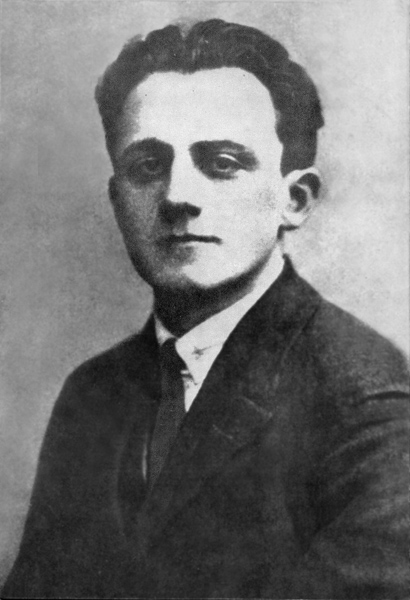
What we did with it
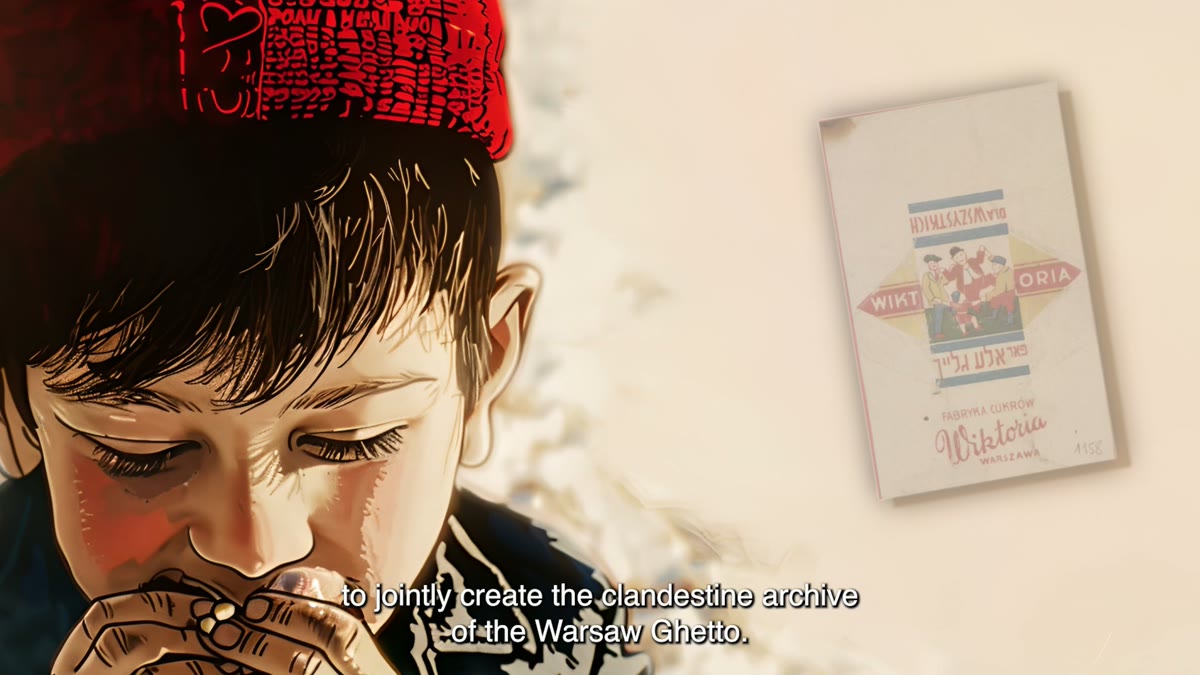
A two-and-a-half-minute tribute on a historian whose work on the Ringelblum Archive has restored the inner voice of the Warsaw Ghetto, and given a face to the man who insisted, under starvation, that the record was worth burying.
Katarzyna Person is Deputy Director of the Warsaw Ghetto Museum and Head of the Scientific Department at the Emanuel Ringelblum Jewish Historical Institute in Warsaw, where she directs the full-edition publication of the Ringelblum Archive. Her scholarship works across the history of Polish Jews during the Holocaust, the Warsaw Ghetto, the Oneg Shabbat Archive, and the marginalized voices of victims.
She is the author or co-author of five volumes of the ŻIH edition of the Ringelblum Archive; her book Warsaw Ghetto Police: The Jewish Order Service during the Nazi Occupation (Cornell University Press / USHMM, 2021) reads the ordinary complicity and moral catastrophe of the Ghetto through its most compromised institution. The Dan David Prize honored Person for her work on Holocaust archives and the recovery of marginalized and silenced voices, for scholarship that returns the Warsaw Ghetto's own record to the room where its history is being told.
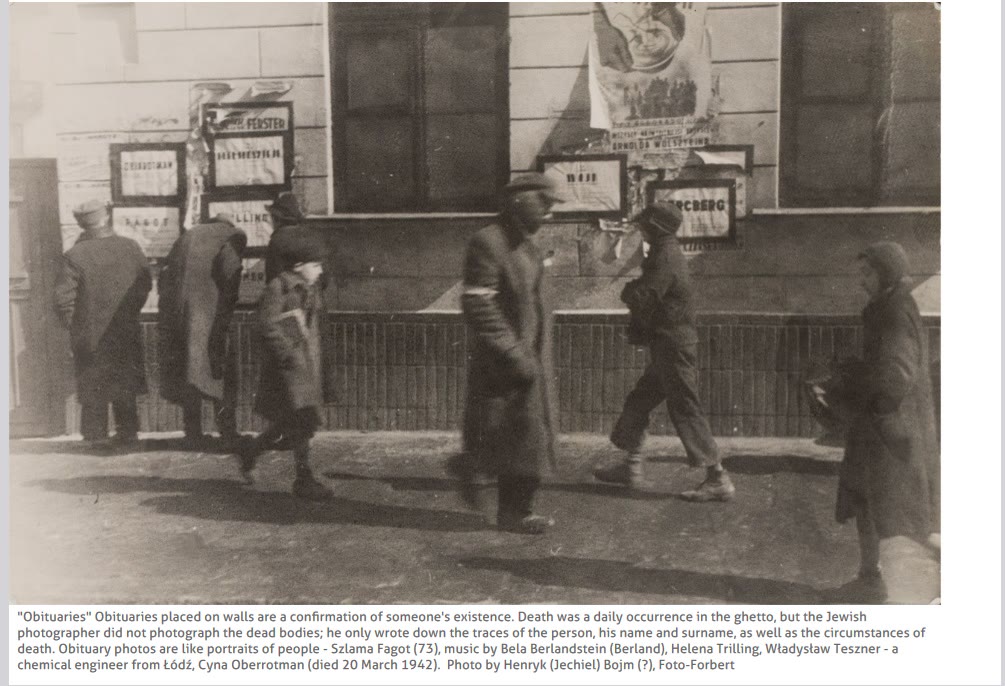
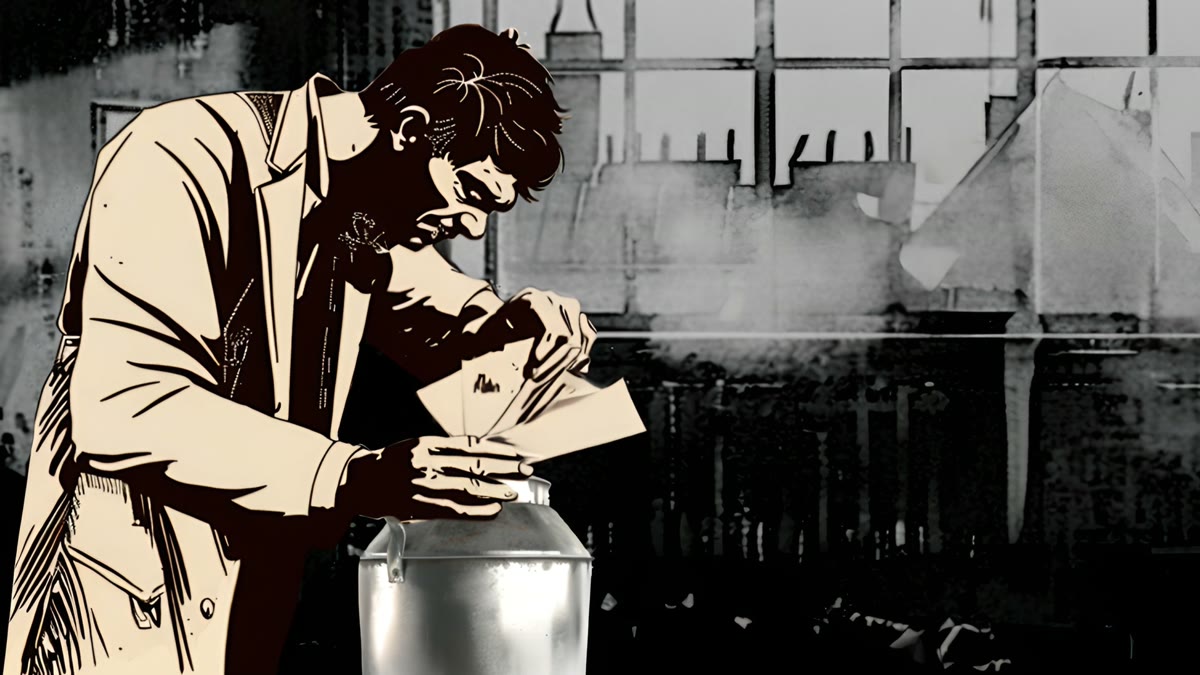
The Ringelblum Archive was a time capsule. People in the most horrifying conditions, without enough to eat, decided that documenting what was happening around them mattered more than what might have been spent on themselves. Ringelblum's collectors included the people historians usually miss on the first pass, ordinary people, women, children, and those who worked under conditions we now find it difficult even to picture. He gathered testimony, diaries, sociological surveys, photographs, drawings, and buried them in milk cans and metal boxes so that the record would survive its authors.
The film's task was to join Person's documentation and give the story a voice. We wanted to use the actual objects, the documents recovered from the archive itself, as the visual material of the film, and to give Emanuel Ringelblum a place to be seen. His name is not widely known, even in Israel in 2026, and outside of scholarly work most people have not heard the story. The archive, and the people who risked their lives to bury it, deserve to be honored in the room where the film does its work. To hold, even for two and a half minutes, the argument the archive itself was written to make.
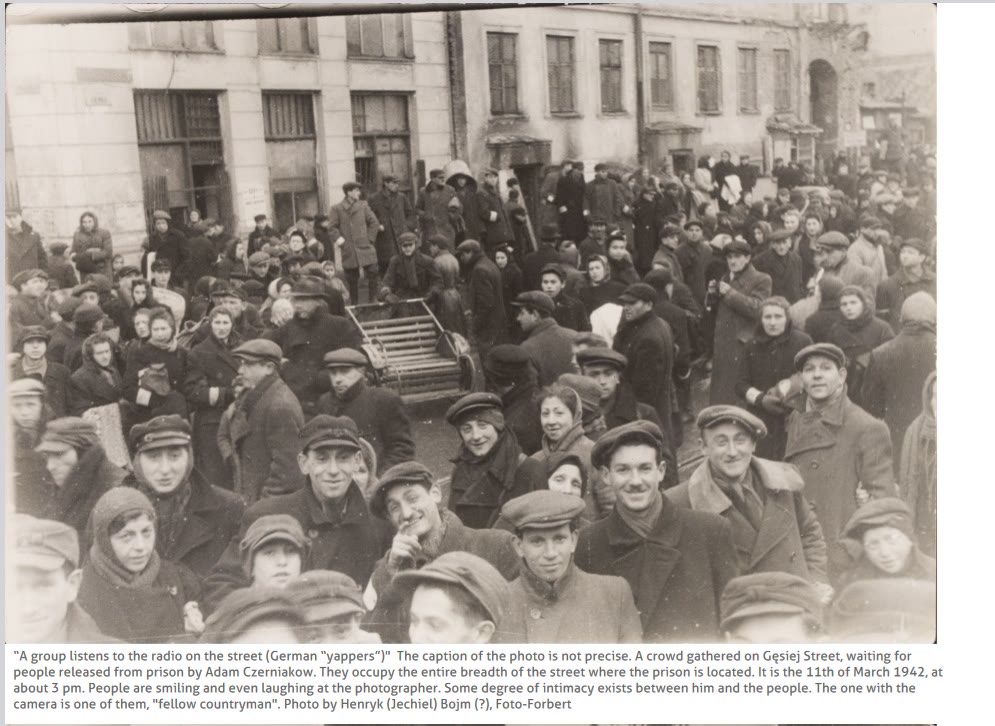
Each year the Foundation selects its winners and, with the help of the laureate, chooses the subject of the film they are being honored for. The Foundation’s team, who know that work intimately, help bring it to the page, and we turn it into script, image, register, and motion.
The one thing we keep from them is the film itself. It is made in their honor but held back, so that the first time Katarzyna Person meets it, in animated form, is the evening of the prize — the very moment they are being celebrated for the work it depicts. That is the part of the project we love: a film that is also a gift, a surprise, revealed in the room where it does its work.
The Dan David films don't end their life on the evening of the prize. After the ceremony they travel to YouTube and to the Foundation's own website, where each one sits alongside the committee's reasoning for choosing the laureate and further material on the research. The winners are interviewed once the films are public, and those interviews are woven into the published versions. Several laureates carry the films further still, into their teaching, playing them for graduate seminars, public lectures, and visiting audiences as a way of explaining, in two and a half minutes, what they have spent careers on.
You care about your subject.
So do we.
Client: Dan David Foundation
Subject: Dr. Katarzyna Person, Warsaw Ghetto Museum & Emanuel Ringelblum Jewish Historical Institute, Warsaw
Direction: Daniella Koffler
Animation: Moofa Animation Team
Year: 2024