Why we score every film ourselves.
There is a moment, roughly two-thirds of the way through any animated film, when the music has to do something the image cannot. A prize-ceremony film is four minutes long. If the score in those four minutes is library music, the film has already lost.
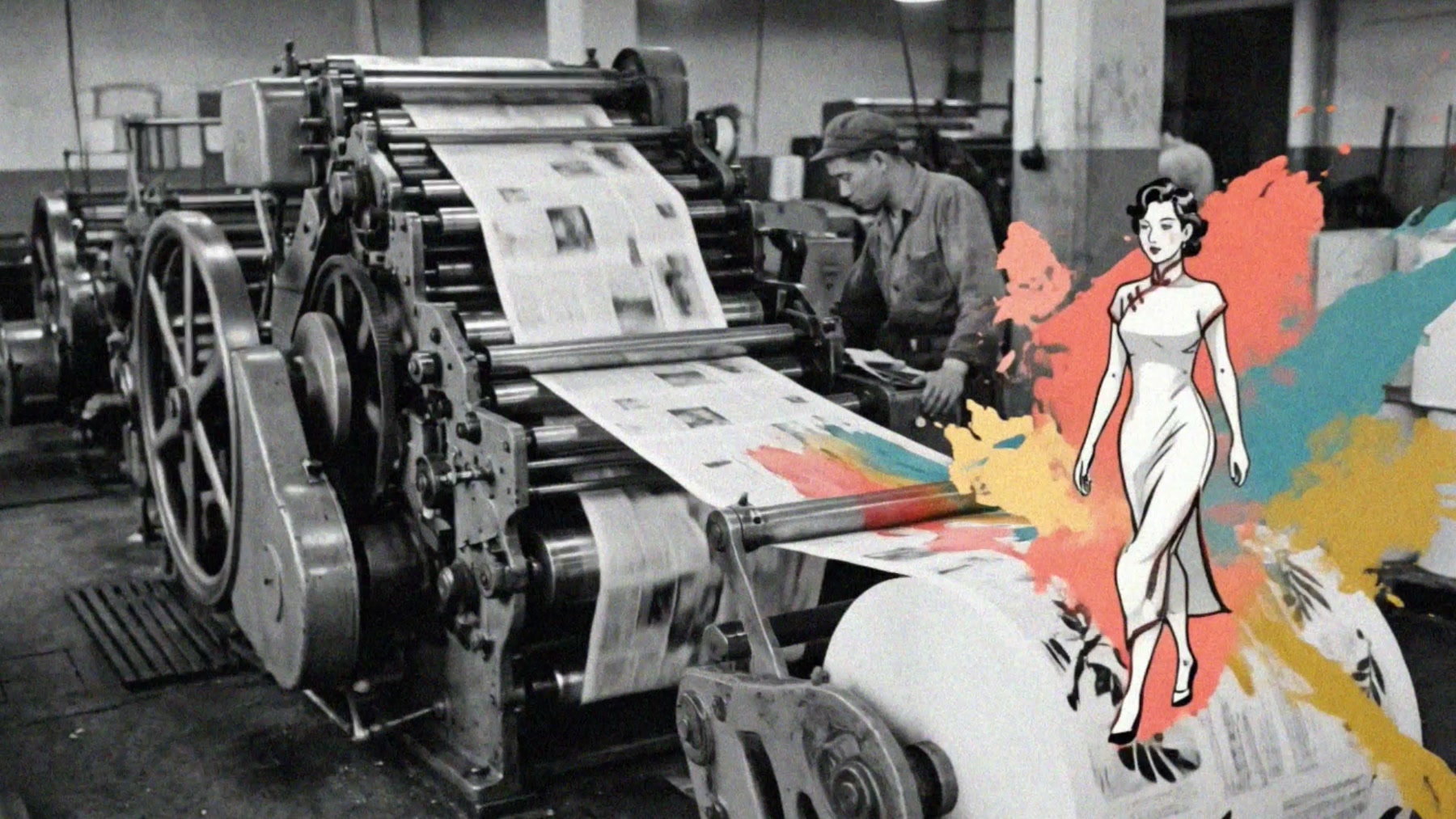
Library music isn’t bad music. It fails for a different reason: it doesn’t look at the film. The track was not made for this argument, in this register, against the period the film depicts. It was made to be roughly appropriate for many films, and roughly appropriate is what it sounds like.
So every film Moofa has delivered has had a score composed for it. Eitan Shefer is on every project from the script stage forward — not commissioned to add music at the end, but in the structural conversations: where the turn is, what the image can carry alone, where the music has to take over.
The score is composed in the register of the subject. A film about a peer-reviewed paper in cognitive science does not sound like a film about Holocaust testimony. A film honouring a novelist does not sound like a fundraising film. Eitan’s claim, which he has made for years, is that most of what a viewer feels watching a film is the score. The proportion is arguable. The direction is not.
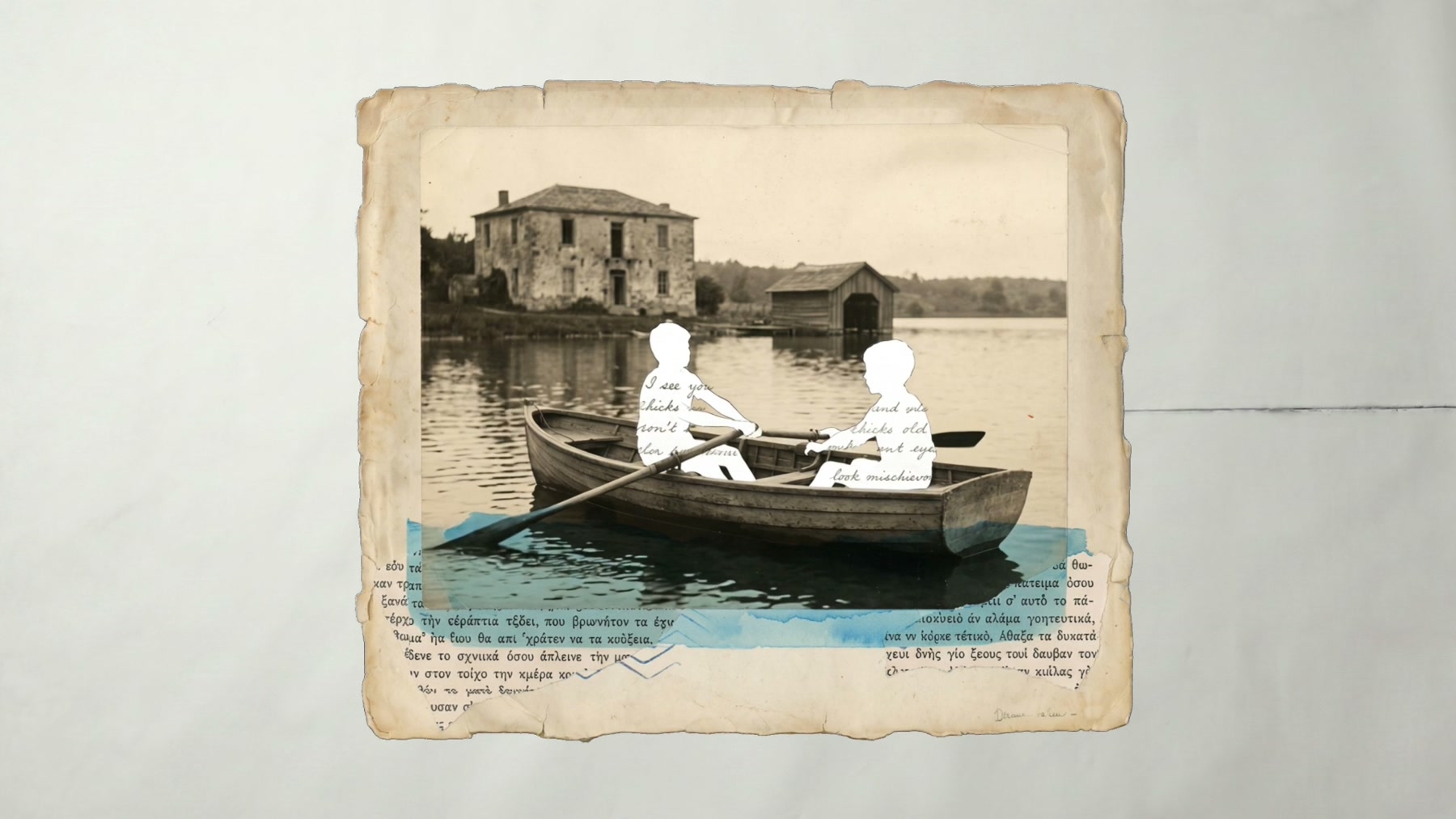
Moofa Production House makes animated films for foundations, museums and research institutions. Every score is written in-house by Eitan Shefer.