Craft · From the studio

Why we score every film ourselves

There is a moment, roughly two-thirds of the way through any animated film, when the music has to do something the image cannot.

Most institutional films, the kind we make, aren't feature films. They don't have a three-act arc. The audience isn't carried, across thirty minutes, into a single moment of grief or recognition by structural build. An explainer is short. A prize-ceremony film is short. The work the music has to do is constant and distributed, every second the image is on screen.

If the score in those four minutes is library music, the film has already lost.
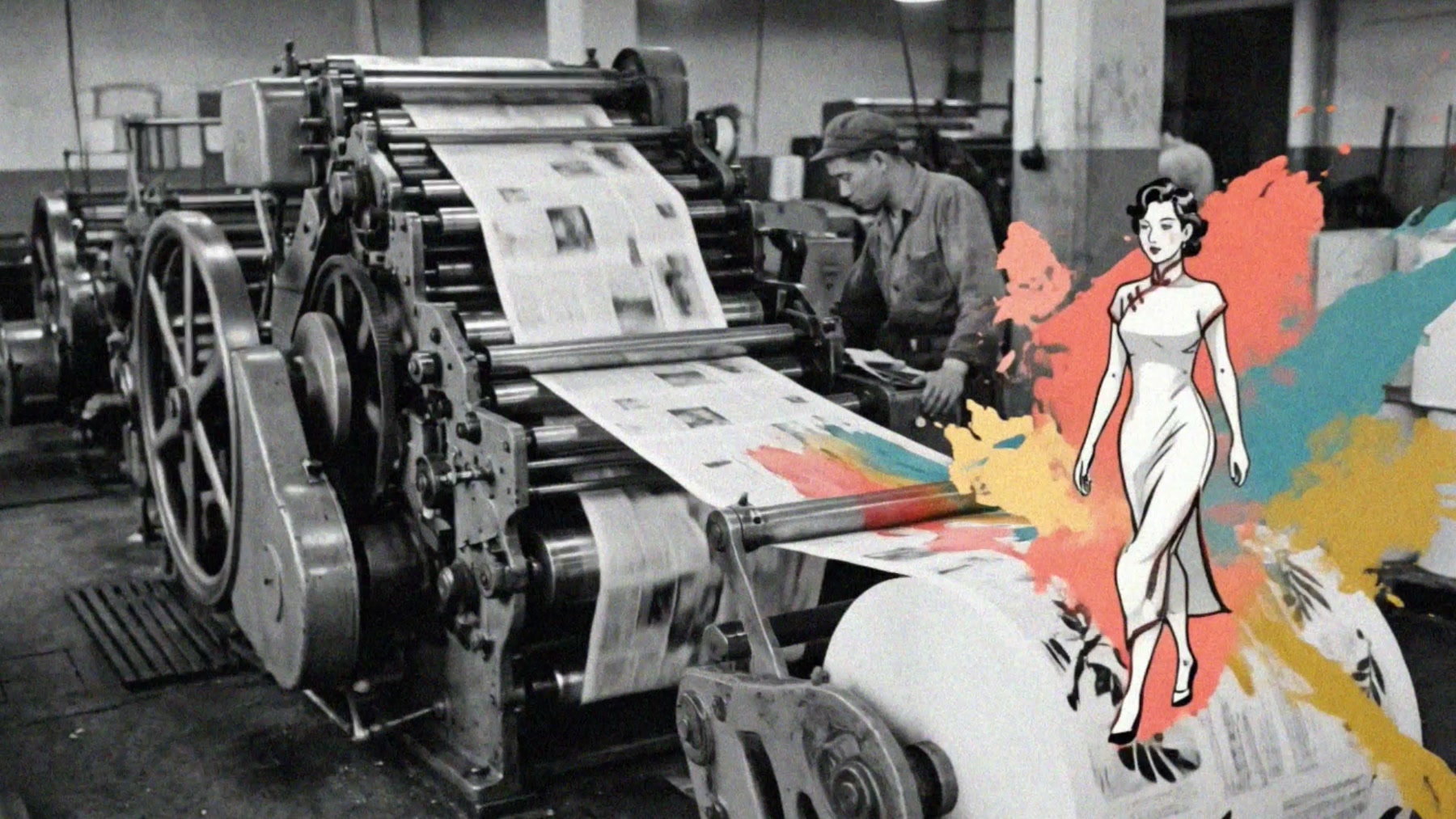
Library music isn't bad music. Much of it is competently written and reasonably mixed. It fails for a different reason: it doesn't look at the film. The track was not made for this argument, in this register, against the period the film depicts, on the texture of this material. A piece tagged "inspiring discovery" has been licensed for the breakthrough beat of a thousand other films this year. Worse, the cultural register often misses entirely: a film about Tang-dynasty Buddhism cannot be scored on a sound that ignores its sonic world; a film about West African pyrotechnology cannot lean on European harmonic vocabulary. Music and image have to be looking at each other. If they are not, the film falls apart.

This is why every film Moofa has ever delivered has had an original score, composed for it. Our composer, Eitan Shefer, is on every project from the script stage forward, not commissioned to "add music" at the end but invited into the structural conversations: what is this film about, what is it trying to make the audience feel, where are the moments the score will have to carry.


The evidence on this is not subtle.

Research on viewer response has consistently shown that music shapes the emotional reading of a film more than the viewer is aware. The same scene paired with a different score produces different judgments about character, intent, and feeling. A recent fMRI study found that musical features correlate, across different viewers, with shared neural patterns of emotional response — the score is doing measurable work on the brain, not only on the surface impression.

Eitan's version of this claim is stronger than the literature's. He has said, for years, that most of what a viewer feels watching a film is the score, not the image. The exact proportion is harder to pin down than he makes it sound. But the direction of the evidence is his. Music is not a finishing layer. It is closer to the substrate.


In practice, this means the score is composed in the register of the subject. A piece about a peer-reviewed paper in cognitive science doesn't sound like a piece about Holocaust testimony. A Sapir Prize honoring film for a novelist doesn't sound like a fundraising film for a research institute. Eitan reads the script when we read the script. He proposes themes when we propose the structure. By the time we lock the picture, the score is already the right shape, because it was built in dialogue with the same source material the film is built on.


When an institution asks how we charge for music, and they do ask, because library music is the obvious cost saving, our answer is the same one we give to every question about pre-production: this is not the place to save money. The film you're commissioning is going to live for years. The score is the part of the film that the audience cannot quite explain but always feels.

We don't outsource it. We don't license it. Eitan writes it.


Moofa Production House makes animated films for foundations, museums, research institutions, and the event producers who serve them. Our scores are written in-house by composer Eitan Shefer.

Start a conversation →