Source material
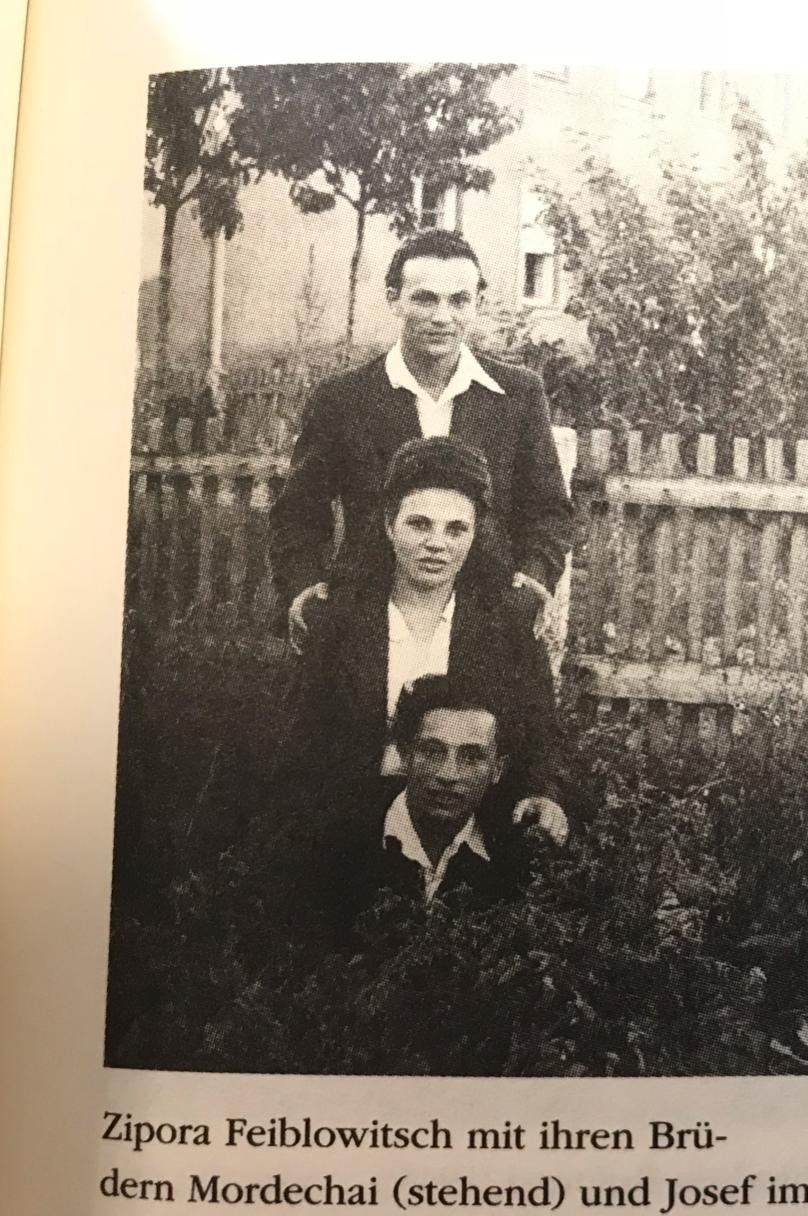
Zippora with her brothers.
The print, as it appears in the book, is captioned in German: Zipora Feiblowitsch with her brothers Mordechai (standing) and Josef.
Zippora Feivlovich was eighteen when she was deported from the Oradea ghetto to Auschwitz. A German officer called her the red fox when she answered him back. She kept answering back, and it kept her alive.
Red Fox · 4:32 · English subtitles
Zippora was born in Transylvania into an observant household. She was eighteen when she and her family were deported from the Oradea ghetto to Auschwitz, and she saw her parents and her younger brother for the last time on the selection ramp. Her sister Tova survived with her.
Her film is structured through the seasons. The rural world of her childhood is autumn; it turns to winter, and the whole of that winter is Auschwitz. After a fateful encounter with a German officer, who called her the red fox when she answered him back, the film follows her to liberation.
She was not a shy woman. She dared, again and again, to run, to answer back, to demand — and the moments when that insolence should by rights have killed her are the moments it saved her. When she and her sister tried to return to their childhood home, a man was standing at the door with a stick. She reached Israel on 29 November 1947, after the ship she sailed on was intercepted and its passengers interned in Cyprus, where her eldest son was born.
The print, as it appears in the book, is captioned in German: Zipora Feiblowitsch with her brothers Mordechai (standing) and Josef.
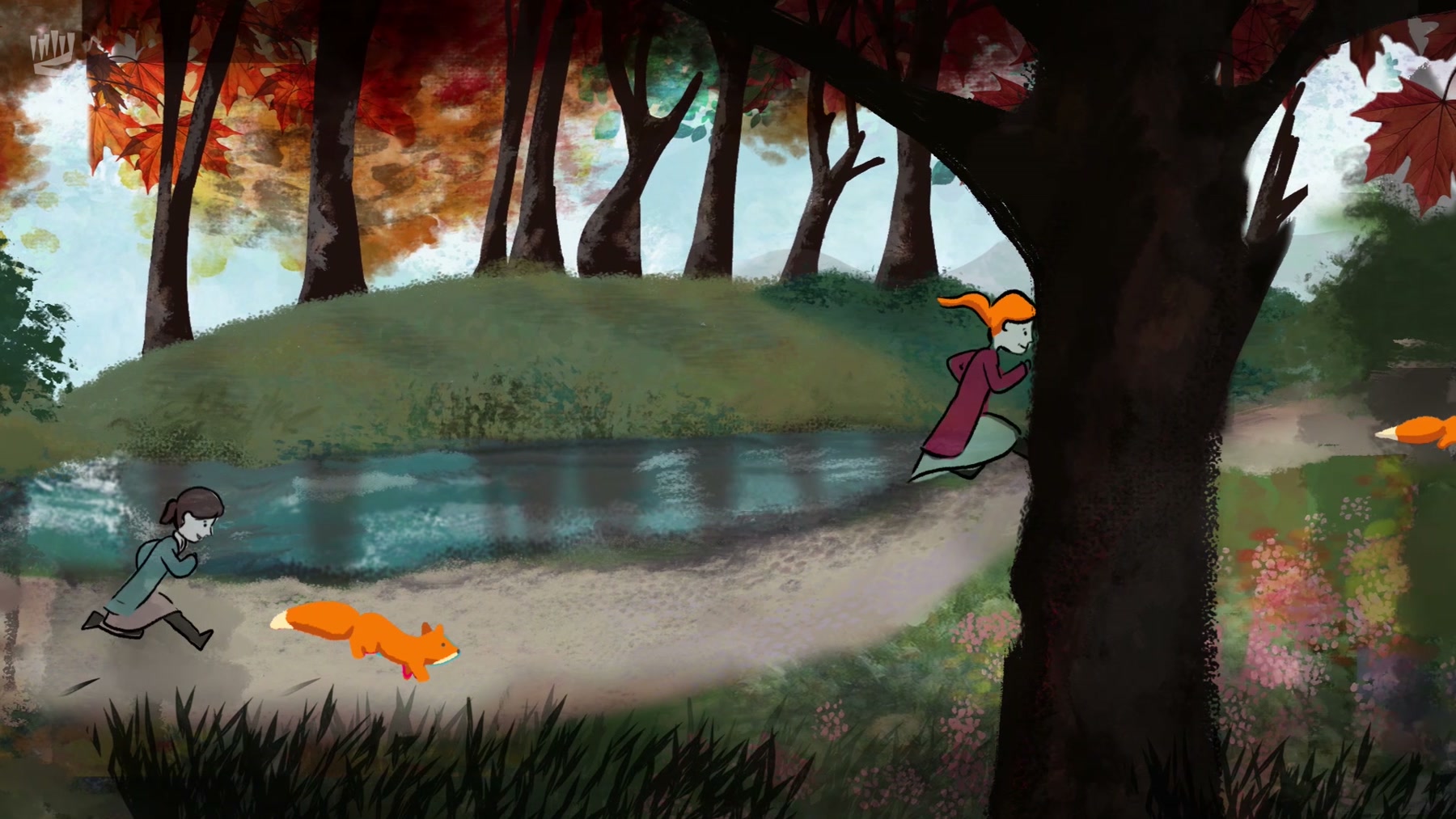
The film is built on the seasons. Her childhood is autumn: the village, the river, her sister beside her, and a fox already running ahead.
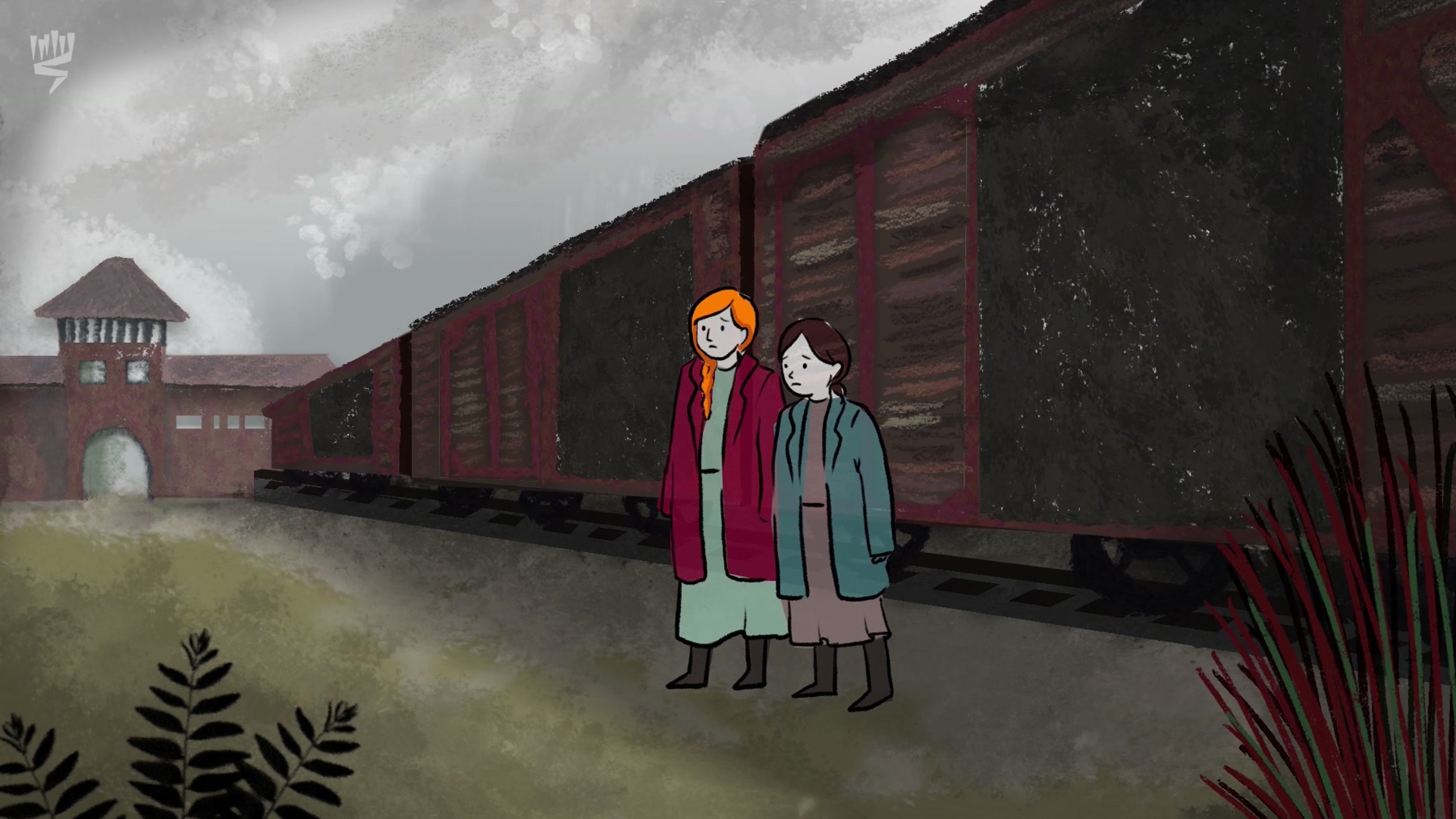
Her parents and younger brother were sent to the gas chambers on arrival. She and her sister Tova held on to each other.
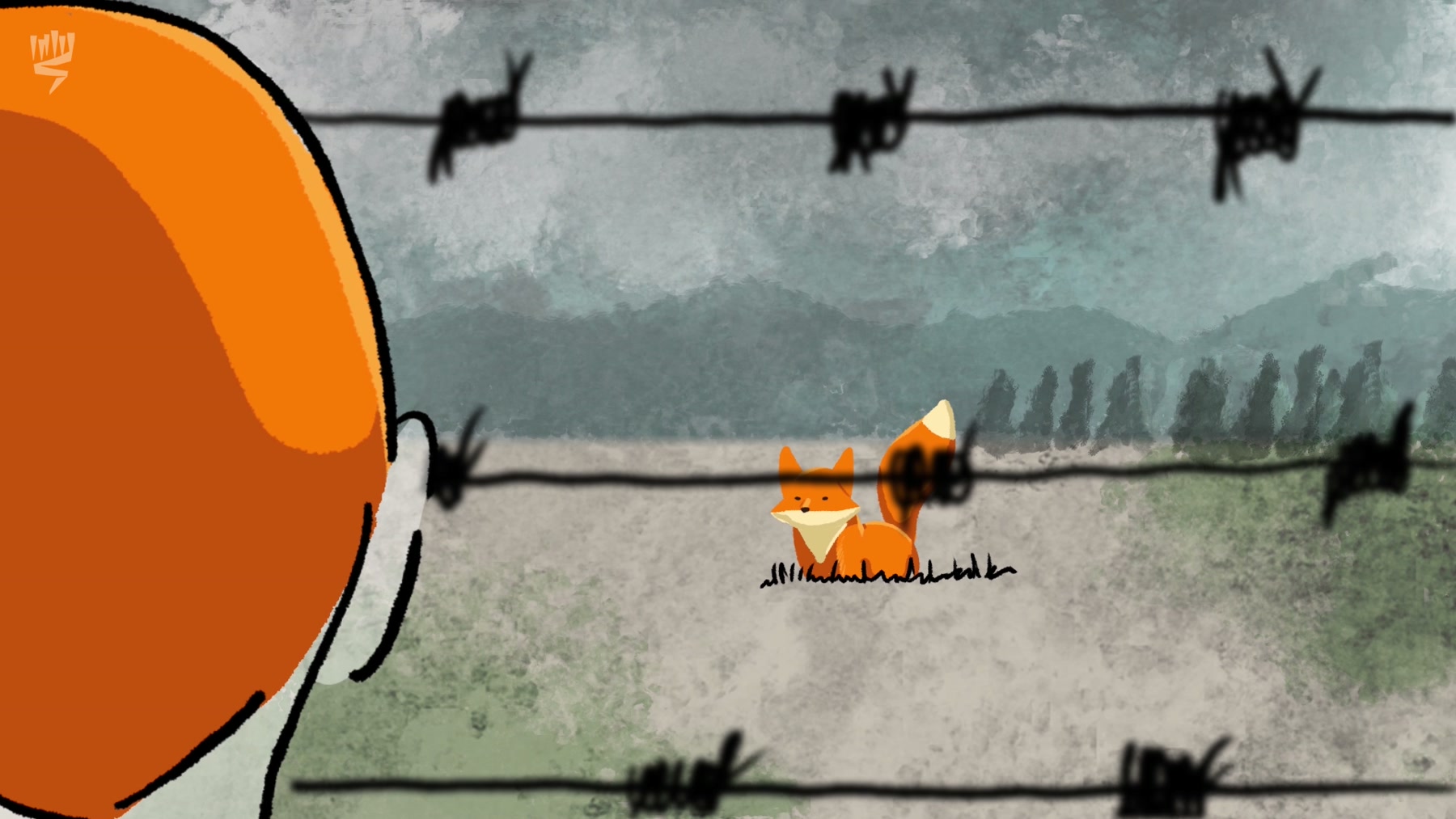
A fox, asleep in the snow on the far side of the fence. In her testimony it is the glimmer that reminded her of home.
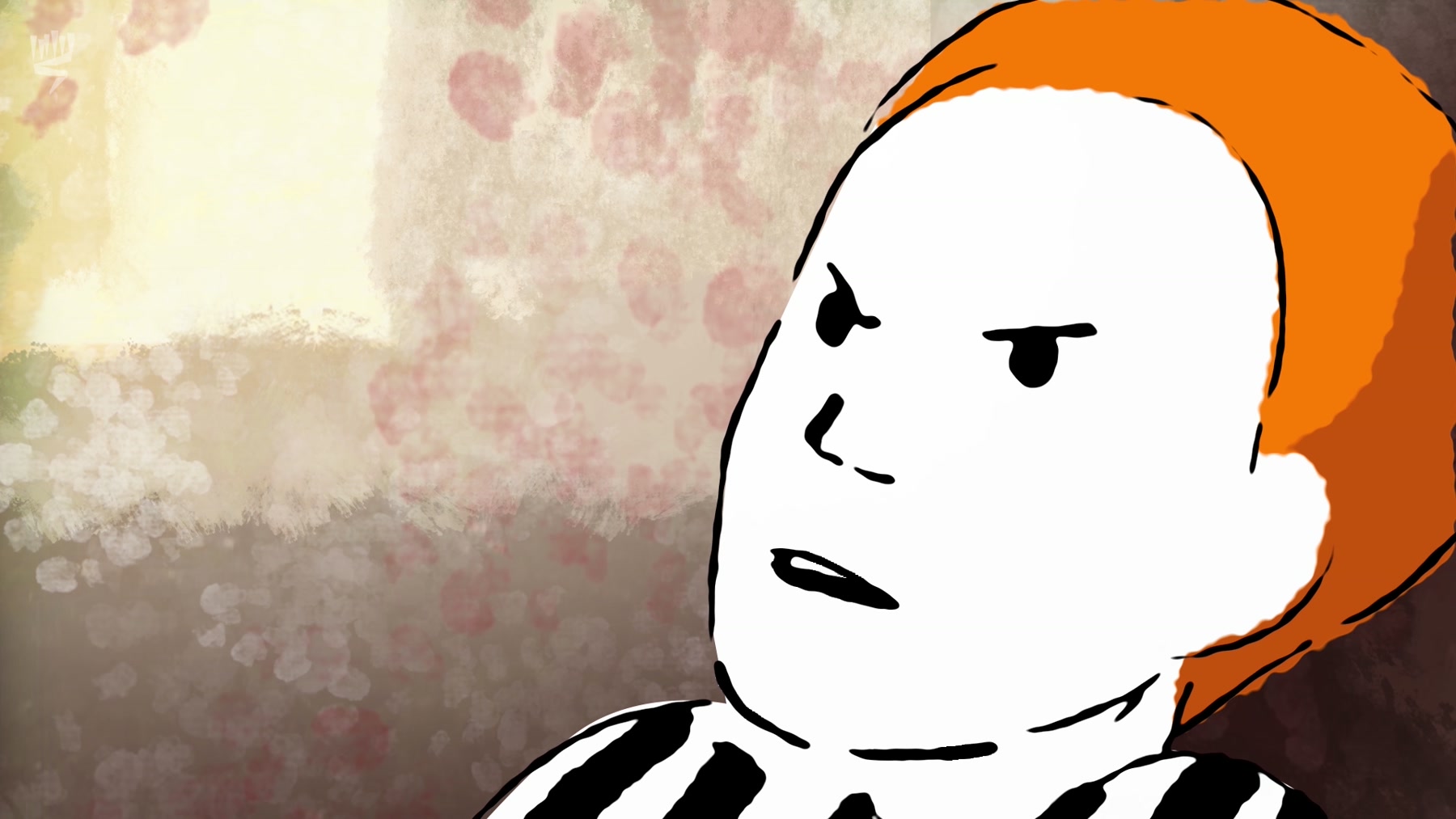
The moment the German officer called her the red fox. The film lets her face carry it, and does not soften the look.
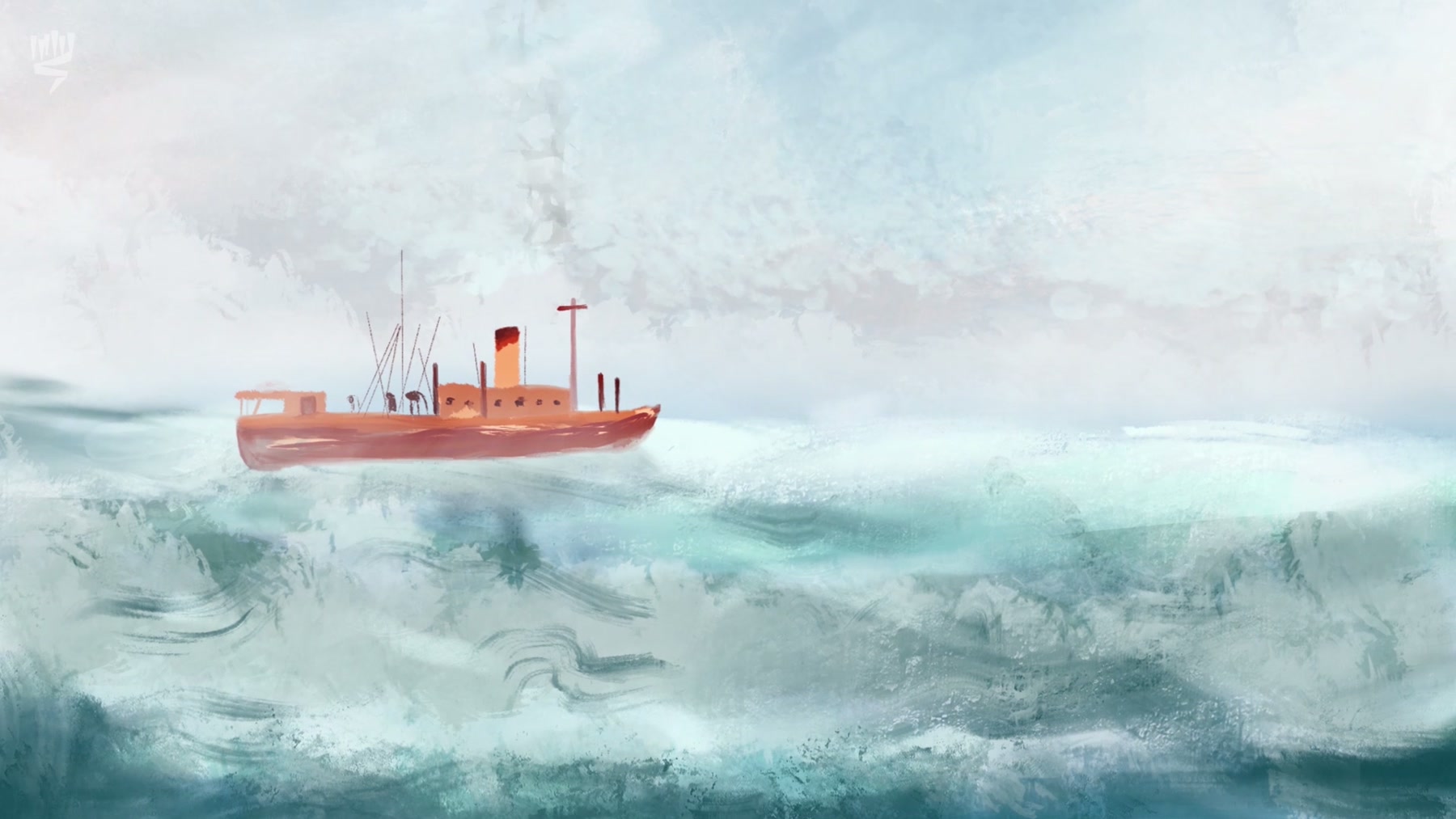
The ship she sailed on was intercepted, and its passengers interned in Cyprus. She reached Israel on 29 November 1947.
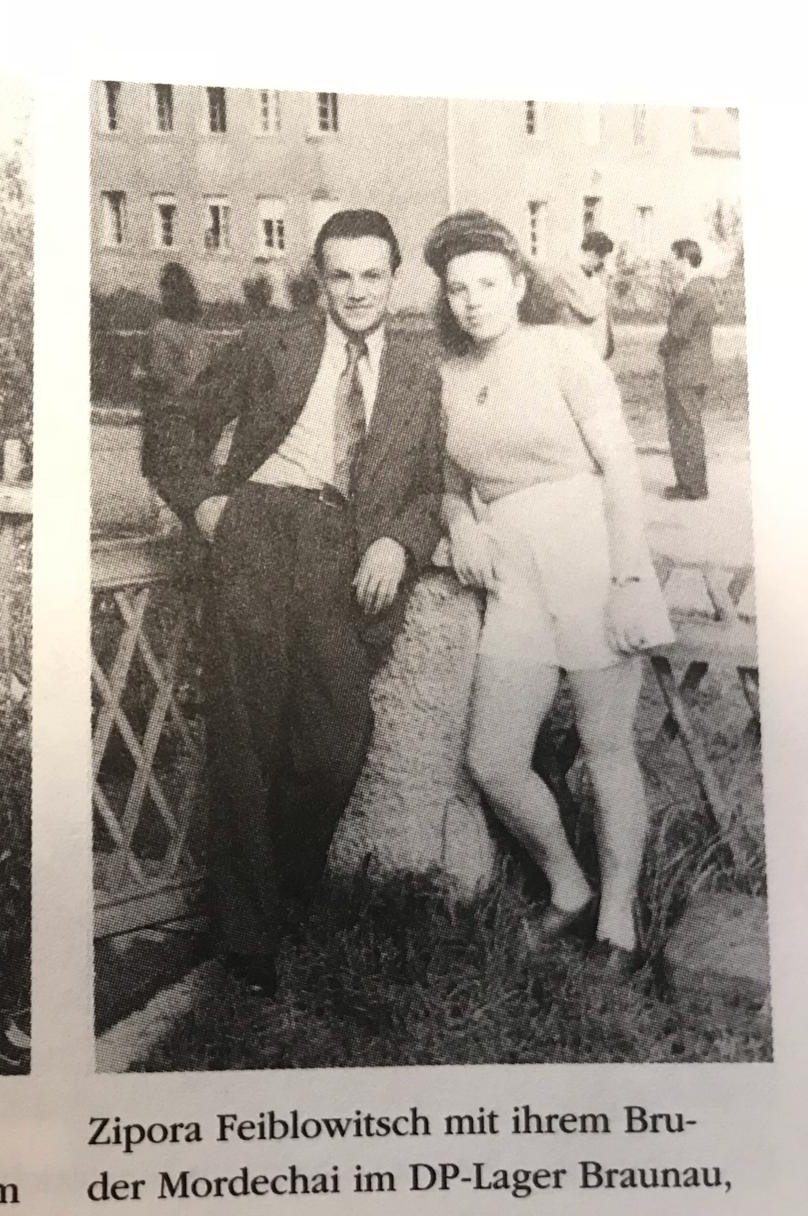
Captioned in the book: Zipora Feiblowitsch with her brother Mordechai in the DP camp Braunau.
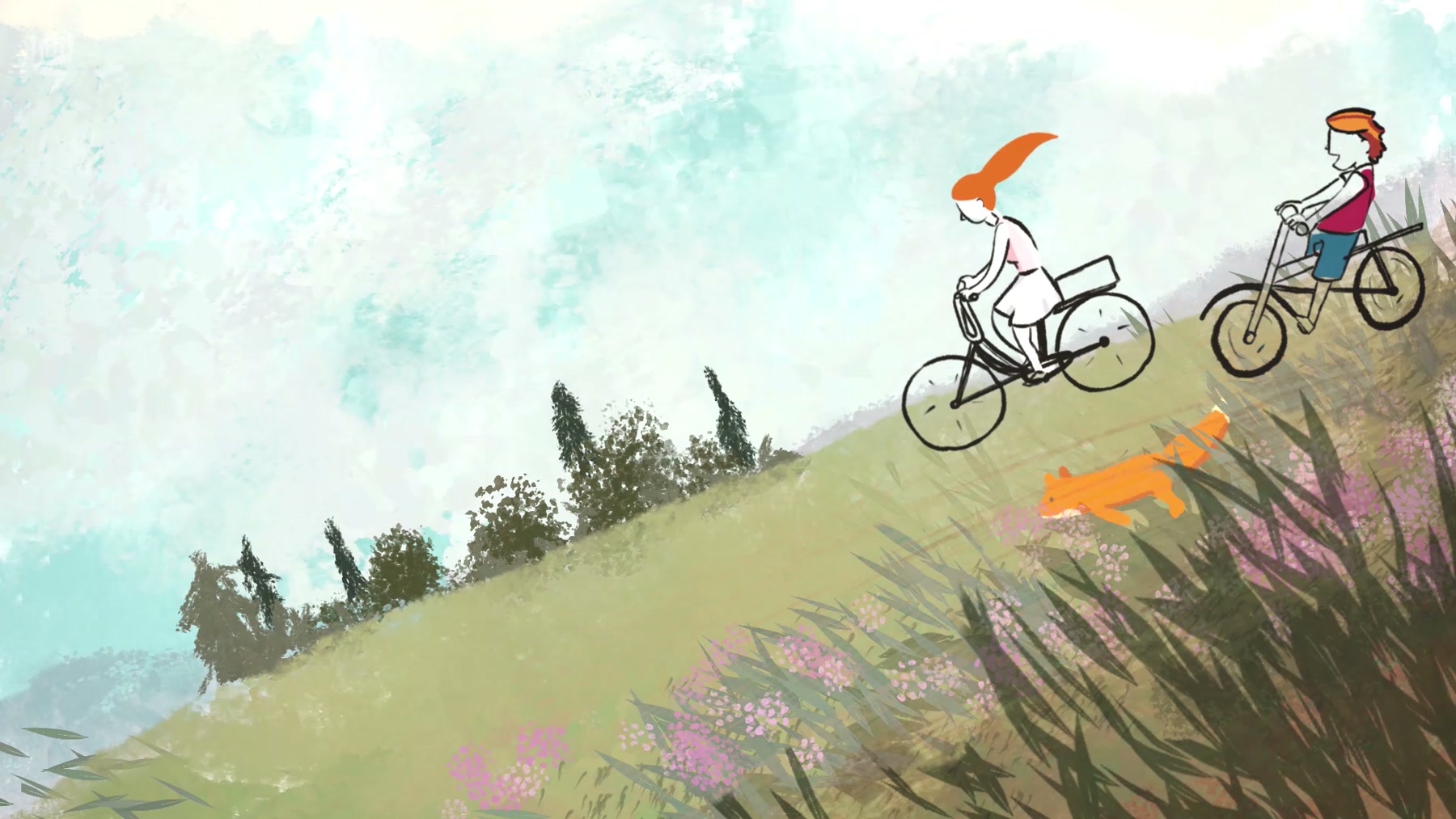
Where the film ends: bicycles on a slope above the sea, the fox that named her running below.